
What's inside
What's inside
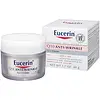 Key Ingredients
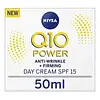
Benefits
Concerns
Ingredients Side-by-side
Water
Skin ConditioningGlycerin
Humectant



Ethylhexyl Cocoate
Emollient

Hydrogenated Coco-Glycerides
Emollient
Stearyl Alcohol
Emollient
Butylene Glycol
Humectant
Cetyl Alcohol
Emollient
Caprylic/Capric Triglyceride
Masking
Butyrospermum Parkii Butter
Skin Conditioning

Glyceryl Stearate Citrate
Emollient
Octyldodecanol
Emollient
Tocopheryl Acetate
Antioxidant

Ubiquinone
Antioxidant

Biotin
AntiseborrhoeicBiosaccharide Gum-1
Humectant
Sodium Ascorbyl Phosphate
Antioxidant



Zea Mays Oil
Emulsifying

Beta-Carotene
Skin Conditioning1,2-Hexanediol
Skin Conditioning
Carbomer
Emulsion StabilisingSodium Hydroxide
BufferingTrisodium EDTA
Dehydroacetic Acid
Preservative
Phenoxyethanol
Preservative
Water, Glycerin, Ethylhexyl Cocoate, Hydrogenated Coco-Glycerides, Stearyl Alcohol, Butylene Glycol, Cetyl Alcohol, Caprylic/Capric Triglyceride, Butyrospermum Parkii Butter, Glyceryl Stearate Citrate, Octyldodecanol, Tocopheryl Acetate, Ubiquinone, Biotin, Biosaccharide Gum-1, Sodium Ascorbyl Phosphate, Zea Mays Oil, Beta-Carotene, 1,2-Hexanediol, Carbomer, Sodium Hydroxide, Trisodium EDTA, Dehydroacetic Acid, Phenoxyethanol
Water
Skin ConditioningGlycerin
Humectant
Butyrospermum Parkii Butter
Skin Conditioning
Cetearyl Alcohol
Emollient
Ethylhexyl Salicylate
UV Absorber


Methylpropanediol
SolventGlyceryl Stearate Se
Emulsifying
Butyl Methoxydibenzoylmethane
UV Absorber
Octocrylene
UV Absorber
C12-15 Alkyl Benzoate
AntimicrobialCaprylic/Capric Triglyceride
Masking
Sodium Phenylbenzimidazole Sulfonate
UV Absorber
Synthetic Beeswax
Emulsion Stabilising
Ubiquinone
Antioxidant
Creatine
Skin Conditioning1-Methylhydantoin-2-Imide
Skin ConditioningTocopheryl Acetate
Antioxidant
Xanthan Gum
EmulsifyingCarbomer
Emulsion StabilisingDimethicone
Emollient
Trisodium EDTA
Ethylhexylglycerin
Skin ConditioningPhenoxyethanol
Preservative
Benzyl Alcohol
Perfuming

Limonene
Perfuming
Parfum
Masking
Water, Glycerin, Butyrospermum Parkii Butter, Cetearyl Alcohol, Ethylhexyl Salicylate, Methylpropanediol, Glyceryl Stearate Se, Butyl Methoxydibenzoylmethane, Octocrylene, C12-15 Alkyl Benzoate, Caprylic/Capric Triglyceride, Sodium Phenylbenzimidazole Sulfonate, Synthetic Beeswax, Ubiquinone, Creatine, 1-Methylhydantoin-2-Imide, Tocopheryl Acetate, Xanthan Gum, Carbomer, Dimethicone, Trisodium EDTA, Ethylhexylglycerin, Phenoxyethanol, Benzyl Alcohol, Limonene, Parfum
Ingredients Explained
These ingredients are found in both products.
Ingredients higher up in an ingredient list are typically present in a larger amount.
This ingredient is also known as shea butter. It is an effective skin hydrator and emollient.
Emollients help soothe and soften your skin. It does this by creating a protective film on your skin. This barrier helps trap moisture and keeps your skin hydrated. Emollients may be effective at treating dry or itchy skin.
Shea butter is rich in antioxidants. Antioxidants help fight free-radicals, or molecules that may harm the body. It is also full of fatty acids including stearic acid and linoleic acid. These acids help replenish the skin and keep skin moisturized.
While Shea Butter has an SPF rating of about 3-4, it is not a sunscreen replacement.
Shea butter may not be fungal acne safe. We recommend speaking with a professional if you have any concerns.
Learn more about Butyrospermum Parkii ButterThis ingredient is an emollient, solvent, and texture enhancer. It is considered a skin-softener by helping the skin prevent moisture loss.
It helps thicken a product's formula and makes it easier to spread by dissolving clumping compounds.
Caprylic Triglyceride is made by combining glycerin with coconut oil, forming a clear liquid.
While there is an assumption Caprylic Triglyceride can clog pores due to it being derived from coconut oil, there is no research supporting this.
Learn more about Caprylic/Capric TriglycerideCarbomer is a polymer of acrylic acid. Its main role is to create a gel consistency.
A high amount of carbomer can cause pilling or balling up of products. Don't worry, most products contain 1% or less of carbomer.
Glycerin is already naturally found in your skin. It helps moisturize and protect your skin.
A study from 2016 found glycerin to be more effective as a humectant than AHAs and hyaluronic acid.
As a humectant, it helps the skin stay hydrated by pulling moisture to your skin. The low molecular weight of glycerin allows it to pull moisture into the deeper layers of your skin.
Hydrated skin improves your skin barrier; Your skin barrier helps protect against irritants and bacteria.
Glycerin has also been found to have antimicrobial and antiviral properties. Due to these properties, glycerin is often used in wound and burn treatments.
In cosmetics, glycerin is usually derived from plants such as soybean or palm. However, it can also be sourced from animals, such as tallow or animal fat.
This ingredient is organic, colorless, odorless, and non-toxic.
Glycerin is the name for this ingredient in American English. British English uses Glycerol/Glycerine.
Learn more about GlycerinPhenoxyethanol is a preservative that has germicide, antimicrobial, and aromatic properties. Studies show that phenoxyethanol can prevent microbial growth. By itself, it has a scent that is similar to that of a rose.
It's often used in formulations along with Caprylyl Glycol to preserve the shelf life of products.
Tocopheryl Acetate is AKA Vitamin E. It is an antioxidant and protects your skin from free radicals. Free radicals damage the skin by breaking down collagen.
One study found using Tocopheryl Acetate with Vitamin C decreased the number of sunburned cells.
Tocopheryl Acetate is commonly found in both skincare and dietary supplements.
Learn more about Tocopheryl AcetateWe don't have a description for Trisodium EDTA yet.
Ubiquinone (Coenzyme Q10) is a molecule already found in our bodies. It is a potent antioxidant and skin-soothing ingredient.
Aging and environmental exposure diminishes our skin's natural ubiquinone levels. This is much like our natural collagen and elastin.
The good news is: studies show applying this ingredient topically replenishes ubiquinone levels in our skin. This also comes with a ton of skin benefits. These benefits include:
Ubiquinone is considered a large molecule and cannot be absorbed into the lower layers of skin. This is why it is believed to be such an effective antioxidant: it protects our skin in the upper layers and prevents damage in the deeper layers.
When used in sunscreen, ubiquinone is shown to increase ingredient stability, increase SPF factor, and add to infrared protection.
Fun fact: ubiquinone is fat-soluble.
Learn more about UbiquinoneWater. It's the most common cosmetic ingredient of all. You'll usually see it at the top of ingredient lists, meaning that it makes up the largest part of the product.
So why is it so popular? Water most often acts as a solvent - this means that it helps dissolve other ingredients into the formulation.
You'll also recognize water as that liquid we all need to stay alive. If you see this, drink a glass of water. Stay hydrated!
Learn more about Water
