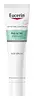
This acne serum is formulated around Lactic Acid and Carnitine to clear breakouts and balance excess oil.
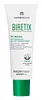
This acne treatment is formulated around Glycolic Acid and Niacinamide to clear breakouts and refine skin texture.


What's inside
What's inside
 Key Ingredients
Benefits
Concerns
Ingredients Side-by-side
Water
Skin ConditioningCaprylic/Capric Triglyceride
Masking


Methylpropanediol
SolventButylene Glycol
Humectant
Panthenol
Skin Conditioning


Lactic Acid
Buffering









Cetearyl Alcohol
Emollient



Gluconolactone
Skin Conditioning

Glyceryl Stearate Se
Emulsifying
Carnitine
Cleansing
Salicylic Acid
Masking


Octyldodecanol
Emollient
Pentaerythrityl Tetraisostearate
Emollient
Pentylene Glycol
Skin Conditioning
Sodium Hydroxide
BufferingHydroxypropyl Starch Phosphate
Dimethicone
Emollient
Stearic Acid
Cleansing
Decylene Glycol
Skin ConditioningXanthan Gum
EmulsifyingHydroxyacetophenone
Antioxidant
Sodium Stearoyl Glutamate
CleansingSclerotium Gum
Emulsion StabilisingGlycyrrhiza Inflata Root Extract
Skin Conditioning
Trisodium Ethylenediamine Disuccinate
Citric Acid
Buffering
Water, Caprylic/Capric Triglyceride, Methylpropanediol, Butylene Glycol, Panthenol, Lactic Acid, Cetearyl Alcohol, Gluconolactone, Glyceryl Stearate Se, Carnitine, Salicylic Acid, Octyldodecanol, Pentaerythrityl Tetraisostearate, Pentylene Glycol, Sodium Hydroxide, Hydroxypropyl Starch Phosphate, Dimethicone, Stearic Acid, Decylene Glycol, Xanthan Gum, Hydroxyacetophenone, Sodium Stearoyl Glutamate, Sclerotium Gum, Glycyrrhiza Inflata Root Extract, Trisodium Ethylenediamine Disuccinate, Citric Acid
Water
Skin ConditioningAlcohol Denat.
Antimicrobial
Glycolic Acid 15%
Buffering
Niacinamide 5%
Smoothing
Propylene Glycol
Humectant
Salicylic Acid 2%
Masking
Ammonium Hydroxide
BufferingPolyquaternium-10
Retinol
Skin Conditioning
Hydroxypinacolone Retinoate
Skin Conditioning
Oligopeptide-10
Antimicrobial
Oryza Sativa Bran Extract
Skin Conditioning
Boswellia Serrata Extract
Skin Conditioning
Honey Extract
Humectant
Butylene Glycol
Humectant
Ethylhexylglycerin
Skin ConditioningTetrasodium EDTA
Pentylene Glycol
Skin Conditioning
Palmitoyl Hydroxypropyltrimonium Amylopectin/Glycerin Crosspolymer
Skin ConditioningDimethyl Isosorbide
Solvent1,2-Hexanediol
Skin Conditioning
Polysorbate 20
Emulsifying
Caprylyl Glycol
Emollient
Hydrogenated Lecithin
Emulsifying
BHT
Antioxidant
BHA
Antioxidant
Water, Alcohol Denat., Glycolic Acid 15%, Niacinamide 5%, Propylene Glycol, Salicylic Acid 2%, Ammonium Hydroxide, Polyquaternium-10, Retinol, Hydroxypinacolone Retinoate, Oligopeptide-10, Oryza Sativa Bran Extract, Boswellia Serrata Extract, Honey Extract, Butylene Glycol, Ethylhexylglycerin, Tetrasodium EDTA, Pentylene Glycol, Palmitoyl Hydroxypropyltrimonium Amylopectin/Glycerin Crosspolymer, Dimethyl Isosorbide, 1,2-Hexanediol, Polysorbate 20, Caprylyl Glycol, Hydrogenated Lecithin, BHT, BHA
Reviews
Ingredients Explained
These ingredients are found in both products.
Ingredients higher up in an ingredient list are typically present in a larger amount.
Butylene Glycol (or BG) is used within cosmetic products for a few different reasons:
Overall, Butylene Glycol is a safe and well-rounded ingredient that works well with other ingredients.
Though this ingredient works well with most skin types, some people with sensitive skin may experience a reaction such as allergic rashes, closed comedones, or itchiness.
Learn more about Butylene GlycolPentylene Glycol (1,2-pentanediol) is a multitasking little diol with three main roles in a formula:
Research on alkanediols (the family pentylene glycol belongs to) show they work by disrupting microbial cell membranes. This disruption helps the primary preservative system in a product work more effectively at lower doses.
On the safety side, the Cosmetic Ingredient Review Expert Panel has concluded this ingredient to be safe as used in current cosmetic practices + concentrations.
Typical use levels in a formula run about 1-5%.
Learn more about Pentylene GlycolSalicylic Acid (also known as beta hydroxy acid or BHA) is a well-known ingredient for treating skin that struggles with acne and clogged pores. It exfoliates both the skin's surface and deep within the pores to help clear out buildup, control oil, and reduce inflammation.
Unlike AHAs (alpha hydroxy acids), salicylic acid is oil-soluble. This allows it to penetrate into pores which makes it especially effective for treating blackheads and preventing future breakouts.
Salicylic acid is also known for its soothing properties. It has a similar structure to aspirin and can calm inflamed or irritated skin, making it a good option for acne-prone skin that is also sensitive.
Concentrations of 0.5-2% are recognized by the U.S. FDA as an over-the-counter topical acne product.
It can cause irritation and/or dryness if one's skin already has a compromised moisture barrier, so it's best to focus on repairing that before introducing this ingredient into your routine.
While salicylic acid does not increase sun sensitivity, it’s still important to wear sunscreen daily to protect your skin.
If you are looking for the ingredient called BHA or Butylated Hydroxyanisole, click here.
Learn more about Salicylic AcidWater. It's the most common cosmetic ingredient of all. You'll usually see it at the top of ingredient lists, meaning that it makes up the largest part of the product.
So why is it so popular? Water most often acts as a solvent - this means that it helps dissolve other ingredients into the formulation.
You'll also recognize water as that liquid we all need to stay alive. If you see this, drink a glass of water. Remember to stay hydrated!
Learn more about Water

