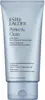
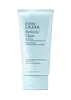
Estée Lauder Perfectly Clean Multi-Action Foam Cleanser/Purifying Mask Versus Estée Lauder Perfectly Clean Multi-Action Creme Cleanser/Moisture Mask
This mild cream cleanser is made to cleanse without leaving your skin tight or dry.

What's inside
What's inside
 Key Ingredients
Benefits
Concerns
Ingredients Side-by-side
Water
Skin ConditioningMyristic Acid
Cleansing




Glycerin
Humectant

Behenic Acid
Cleansing
Potassium Hydroxide
BufferingPalmitic Acid
Emollient
Sodium Methyl Cocoyl Taurate
Cleansing
Lauric Acid
Cleansing
Stearic Acid
Cleansing
Sucrose
Humectant
Montmorillonite
AbsorbentSilybum Marianum Extract
Skin Conditioning
Gentiana Lutea Root Extract
Skin ConditioningAlgae Extract
Emollient
Sodium Hyaluronate
Humectant

Sorbitol
Humectant
Caffeine
Skin Conditioning
Zinc PCA
Humectant



PEG-3 Distearate
Emulsifying
Kaolin
Abrasive
Parfum
Masking


Disodium EDTA
Methylchloroisothiazolinone
Preservative
Methylisothiazolinone
Preservative
Water, Myristic Acid, Glycerin, Behenic Acid, Potassium Hydroxide, Palmitic Acid, Sodium Methyl Cocoyl Taurate, Lauric Acid, Stearic Acid, Sucrose, Montmorillonite, Silybum Marianum Extract, Gentiana Lutea Root Extract, Algae Extract, Sodium Hyaluronate, Sorbitol, Caffeine, Zinc PCA, PEG-3 Distearate, Kaolin, Parfum, Disodium EDTA, Methylchloroisothiazolinone, Methylisothiazolinone
Water
Skin ConditioningHydrogenated Polyisobutene
EmollientIsohexadecane
EmollientGlycerin
Humectant
Hexyldecyl Stearate
EmollientSqualane
Emollient
Petrolatum
Emollient
Glyceryl Stearate
Emollient
Silybum Marianum Extract
Skin Conditioning
Gentiana Lutea Root Extract
Skin ConditioningAlgae Extract
Emollient
Sorbitol
Humectant
Caffeine
Skin Conditioning
Isododecane
EmollientSucrose
Humectant
Hydrogenated Lecithin
Emulsifying
Hydrogenated Polydecene
EmollientPEG-100 Stearate
Surfactant
Cetearyl Alcohol
Emollient
Stearyl Alcohol
Emollient
Ceteareth-20
Cleansing
Carbomer
Emulsion StabilisingDimethicone
Emollient
Butylene Glycol
Humectant
Caprylyl Glycol
Emollient
Zinc PCA
Humectant
Hexylene Glycol
EmulsifyingParfum
Masking
Potassium Hydroxide
BufferingDisodium EDTA
Phenoxyethanol
Preservative
Water, Hydrogenated Polyisobutene, Isohexadecane, Glycerin, Hexyldecyl Stearate, Squalane, Petrolatum, Glyceryl Stearate, Silybum Marianum Extract, Gentiana Lutea Root Extract, Algae Extract, Sorbitol, Caffeine, Isododecane, Sucrose, Hydrogenated Lecithin, Hydrogenated Polydecene, PEG-100 Stearate, Cetearyl Alcohol, Stearyl Alcohol, Ceteareth-20, Carbomer, Dimethicone, Butylene Glycol, Caprylyl Glycol, Zinc PCA, Hexylene Glycol, Parfum, Potassium Hydroxide, Disodium EDTA, Phenoxyethanol
Reviews
Ingredients Explained
These ingredients are found in both products.
Ingredients higher up in an ingredient list are typically present in a larger amount.
Algae Extract is one of the vaguest names on any label because it just means "extract of some alga" (and there are thousands of species and dozens of ways to extract them). This just means two products listing it can contain completely different things.
This ingredient name was actually officially retired in the INCI dictionary in 2015 and brands were pushed toward species-specific names instead (like Laminaria Digitata Extract or Chondrus Crispus Extract).
Generally, it is used to hold water and soften skin in a formula. Algae are rich in polysaccharides, pigments, and amino-acids that act as humectants, emollients, and skin-conditioning agents.
It isn't on standard cosmetic-patch test panels and "seaweed dermatitis" is actually an acute irritant reaction to algal toxins in seawater and not the cosmetic ingredient.
You'll see algae listed as a 5/5 on a lot of pore-clogging charts and that number doesn't come from anywhere; it's not in the original rabbit-ear studies that most comedogenic ratings trace back to.
The reasoning behind the reputation is that seaweed is high in iodine and iodine can trigger acne-like breakouts when eaten. This traces back to a 1976 letter in Archives of Dermatology describing two women whose breakouts cleared after they stopped taking high-dose kelp supplements orally.
And the reaction of these two women wasn't clogged pores at all: it was an iodine-triggered pustular rash. Later research found normal dietary iodine doesn't meaningfully affect acne either and nobody has shown topical algae delivers enough iodine to matter.
What we do have is dozens of brown and red algae ingredients found to be non-irritating and non-sensitizing, and a handful of studies that found algae compounds may actually help acne.
However, plenty of people do report breaking out from algae-containing products. Skin is individual and it's worth avoiding if yours has reacted to algae before.
Learn more about Algae ExtractCaffeine is a naturally occurring plant compound found in coffee beans, tea leaves, cocoa pods, and guarana.
As an antioxidant, caffeine protects your skin from free radical damage caused by UV exposure and envionrmnetal stressors.
Early research also shows that caffeine can help calm redness, soothe irritated skin, and support hair growth by stimulating microcirculation in the scalp.
You might have seen eye creams marketing caffeine as a depuffing ingredient. This is because it is a vasoconstrictor meaning it can temporarily constrict blood vessels, though clinical evidence for this specific use is still limited.
Most skincare products contain this ingredient at concentrations between 1-6%. It is able to penetrate skin easily regardless of skin type or thickness.
Just so you know, a very small number of case reports describe caffeine-induced allergy. This ingredient is generally well-tolerated, non-irritating, and non-sensitizing for the majority of people.
Learn more about CaffeineDisodium EDTA is a chelating agent. It grabs onto and deactivates metal ions that sneak into your products from water, packaging, or air.
This ingredient mainly works behind the scenes and helps with:
On top of that, this ingredient can counteract the effects of hard water by binding to the minerals in it.
One thing worth knowing is that Disodium EDTA has been shown to be a mild penetration enhancer. It can help other ingredients absorb into skin more effectively which can be a double-edged sword (great for actives, but can also make the active too strong if you have sensitive skin).
Clinical patch testing showed no significant skin irritation at typical use concentrations and minimal dermal absorption.
You'll most likely see this ingredient near the end of an ingredient list. It's typically found in concentrations less than 1%.
Learn more about Disodium EDTAWe don't have a description for Gentiana Lutea Root Extract yet.
Glycerin (or glycerol) is a compound naturally found in your skin. It's a powerhouse humectant that pulls water into the stratum corneum.
Topically, glycerin does several things at once:
Your skin makes glycerin on its own (mostly from sebaceous oil breakdown) and shuttles it to your outermost layer of skin, or your epidermis, via aquaporin-3.
Aquaporin-3 is a transporter that is essential for normal skin hydration, elasticity, and repair. Interestingly, mice lacking in AQP3 have dry and less elastic skin that can be fully corrected with glycerin.
This ingredient is non-irritating, plays well with almost every ingredient, and works across all skin types. Typical use is anywhere between 3-10% but can go up to 79% in some leave-on products.
Just know very high concentrations (>40%) can feel tacky in low humidity.
Glycerin is the name for this ingredient in American English. British English uses Glycerol/Glycerine.
Learn more about GlycerinParfum is a catch-all term for an ingredient or more that is used to give a scent to products.
Also called "fragrance", this ingredient can be a blend of hundreds of chemicals or plant oils. This means every product with "fragrance" or "parfum" in the ingredients list is a different mixture.
For instance, Habanolide is a proprietary trade name for a specific aroma chemical. When used as a fragrance ingredient in cosmetics, most aroma chemicals fall under the broad labeling category of “FRAGRANCE” or “PARFUM” according to EU and US regulations.
The term 'parfum' or 'fragrance' is not regulated in many countries. In many cases, it is up to the brand to define this term.
For instance, many brands choose to label themselves as "fragrance-free" because they are not using synthetic fragrances. However, their products may still contain ingredients such as essential oils that are considered a fragrance by INCI standards.
One example is Calendula flower extract. Calendula is an essential oil that still imparts a scent or 'fragrance'.
Depending on the blend, the ingredients in the mixture can cause allergies and sensitivities on the skin. Some ingredients that are known EU allergens include linalool and citronellol.
Parfum can also be used to mask or cover an unpleasant scent.
The bottom line is: not all fragrances/parfum/ingredients are created equally. If you are worried about fragrances, we recommend taking a closer look at an ingredient. And of course, we always recommend speaking with a professional.
Learn more about ParfumPotassium Hydroxide (also known as potash) is a strong alkaline ingredient that does one job: it nudges a product's pH up so the whole formula lands in a skin-friendly range.
It's also the base that turns oils into liquid soap during the soap making process.
An expert safety panel reviewed it and found it safe when formulations are made to be non-irritating.
As a pH adjuster, it's typically used well under 1% though regulatory caps go much higher: 5% in nail cuticle removers and 2-4.5% in hair straighteners.
Though there is some concern for irritation from raw or high pH material, a well-balanced formula will be a non-issue for the vast majority of people.
Learn more about Potassium HydroxideThis ingredient comes from the milk thistle plant. It is a skin conditoning ingredient that helps skin stay soft and hydrated.
The star compound in this extract is a group of flavonolignans collectively called silymarin, with silybin being the most studied.
Research shows silybin extract can protect skin from UV-induced oxidative stress and also works to calm inflammation.
There's also growing interest in its potential for acne-prone skin. One 12-month study on over 50 subjects using topical Silybum Marianum Extract found a ~60% reduction in acne lesions over the course of a year.
More recently, a 2025 study found silybin significantly boosted collagen III and hyaluronic production in skin tissue with results comparable to retinol; please know retinol is still the gold standard and silybin research has a long ways to go to confirm whether it can replace retinol.
In terms of tolerability, one large study of over 4,000 participants rated this ingredient tolerance as "good" or "very good" in about 95% of participants.
Learn more about Silybum Marianum ExtractSorbitol is a sugar alcohol. It is a hydrating and moisturizing agent created from the reduction process of glucose.
Most sorbitol is usually made from potato starch. It is also found in fruits such as apples and pears.
As a humectant, Sorbitol helps draw water to the skin. This helps keep the skin hydrated. Sorbitol also helps create a thicker texture in products. You might find sorbitol in your toothpaste and other gels.
It is a non-irritating ingredient that is great for those with dry skin.
Sorbitol is a prebiotic. It helps promote the growth of healthy bacteria on your skin. The bacteria on your skin form a microbiome. This microbiome helps protect your skin from infection and harmful bacteria.
Learn more about SorbitolSucrose is a natural sugar found in fruits, vegetables, and nuts. It is the main constituent of white sugar.
In skincare, sucrose is a humectant and can be a mild exfoliant.
Sucrose is hydrophilic, meaning it attracts water. This makes it an effective humectant and helps hydrate the skin.
Studies show sugars may worsen acne-prone skin due to it disrupting the skin's natural biome. We recommend speaking with a professional if you have any concerns.
In some products such as body scrubs, sucrose is used as an gentle exfoliant.
The term 'sucrose' comes from the french word for sugar, 'sucre'.
Learn more about SucroseWater. It's the most common cosmetic ingredient of all. You'll usually see it at the top of ingredient lists, meaning that it makes up the largest part of the product.
So why is it so popular? Water most often acts as a solvent - this means that it helps dissolve other ingredients into the formulation.
You'll also recognize water as that liquid we all need to stay alive. If you see this, drink a glass of water. Remember to stay hydrated!
Learn more about WaterZinc PCA is a clever two-in-one molecule: the zinc salt of pyrrolidone carboxylic acid (PCA).
Think of it as two useful things bonded together; the PCA half is one of your skin's own natural moisturizing factors (NMF) so it helps hold water in the upper layers. On the other hand, the zinc half does the heavy lifting on oil and bacteria.
The zinc part slows down an enzyme that turns testosterone into DHT, the hormone that tells your oil glands to pump out more sebum. Less of that signal means less oil. It also gently fights acne-causing bacteria and soothes redness/irritation.
This is why Zinc PCA often shows up in products for oily, breakout-prone skin and greasy scalps.
One lab study also hinted it might have a small anti-aging perk because it seemed to protect collagen from UVA damage and even helped the skin make a bit more of it. That last bit is still early research done in a dish and not real skin, so take it as a nice bonus rather than a promise for now.
As for scar healing, the picture is more "maybe" than a firm yes. Zinc itself plays a real role in wound repair because it is a cofactor for the enzymes involved in collagen building, calming inflammation, and helping new skin cells cover a wound. Lower zinc levels are also linked to slower healing.
Most of the scar healing research is on zinc oxide or oral zinc rather than zinc PCA specifically, with a focus on healing fresh wounds instead of scars that are already there.
Direct evidence that zinc PCA improves the look of established scars is still limited at this time. Though it would be fair to say zinc PCA supports the general skin-repair environment thanks to its zinc content .
This ingredient is water-soluble and plays nicely with other actives like niacinamide and salicylic acid. It works best at mildly acidic formulas (~4-6 pH) and is effective at low levels. Around 0.1% is enough to be active and finished products commonly use it anywhere up to 4%.
Overall, this is a well-tolerated, low-drama multitasker that suits oily and acne-prone skin.
Learn more about Zinc PCA

