Estée Lauder Micro Essence Treatment Lotion Fresh With Sakura Ferment Versus Estée Lauder Perfectly Clean Multi-Action Foam Cleanser/Purifying Mask
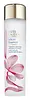
This barrier-repair essence is formulated around Bifida Ferment Lysate and Lactobacillus Ferment to strengthen the skin barrier and hydrate skin.

What's inside
What's inside
 Key Ingredients
Benefits
Concerns
Ingredients Side-by-side
Water
Skin ConditioningBifida Ferment Lysate
Skin Conditioning



Propanediol
Solvent
Butylene Glycol
Humectant
Lactobacillus Ferment
Skin Conditioning
Oryza Sativa Lees Extract
Skin ConditioningPrunus Lannesiana Flower Extract
Skin ConditioningAlgae Extract
Emollient

Laminaria Saccharina Extract
Skin Protecting
Acetyl Hexapeptide-8
Humectant

Acetyl Glucosamine
Skin Conditioning

Sodium Hyaluronate
Humectant
Anthemis Nobilis Flower Extract
Masking
Caffeine
Skin Conditioning
Dipotassium Glycyrrhizate
Humectant
Betaine
Humectant
Maltodextrin
Absorbent
Carbomer
Emulsion StabilisingTromethamine
BufferingCitric Acid
Buffering

Trehalose
Humectant
Caprylyl Glycol
Emollient
Pentylene Glycol
Skin Conditioning
PEG-75
HumectantPPG-5-Ceteth-20
EmulsifyingDisodium EDTA
ChelatingSodium Citrate
BufferingPhenoxyethanol
Preservative
Potassium Sorbate
Preservative
Water, Bifida Ferment Lysate, Propanediol, Butylene Glycol, Lactobacillus Ferment, Oryza Sativa Lees Extract, Prunus Lannesiana Flower Extract, Algae Extract, Laminaria Saccharina Extract, Acetyl Hexapeptide-8, Acetyl Glucosamine, Sodium Hyaluronate, Anthemis Nobilis Flower Extract, Caffeine, Dipotassium Glycyrrhizate, Betaine, Maltodextrin, Carbomer, Tromethamine, Citric Acid, Trehalose, Caprylyl Glycol, Pentylene Glycol, PEG-75, PPG-5-Ceteth-20, Disodium EDTA, Sodium Citrate, Phenoxyethanol, Potassium Sorbate
Water
Skin ConditioningMyristic Acid
Cleansing
Glycerin
Humectant
Behenic Acid
Cleansing
Potassium Hydroxide
BufferingPalmitic Acid
Emollient
Sodium Methyl Cocoyl Taurate
Cleansing
Lauric Acid
Cleansing
Stearic Acid
Cleansing
Sucrose
Humectant
Montmorillonite
AbsorbentSilybum Marianum Extract
Skin Conditioning
Gentiana Lutea Root Extract
Skin ConditioningAlgae Extract
Emollient
Sodium Hyaluronate
Humectant
Sorbitol
Humectant
Caffeine
Skin Conditioning
Zinc PCA
Humectant



PEG-3 Distearate
Emulsifying
Kaolin
Abrasive
Parfum
Masking

Disodium EDTA
ChelatingMethylchloroisothiazolinone
Preservative
Methylisothiazolinone
Preservative
Water, Myristic Acid, Glycerin, Behenic Acid, Potassium Hydroxide, Palmitic Acid, Sodium Methyl Cocoyl Taurate, Lauric Acid, Stearic Acid, Sucrose, Montmorillonite, Silybum Marianum Extract, Gentiana Lutea Root Extract, Algae Extract, Sodium Hyaluronate, Sorbitol, Caffeine, Zinc PCA, PEG-3 Distearate, Kaolin, Parfum, Disodium EDTA, Methylchloroisothiazolinone, Methylisothiazolinone
Reviews
Ingredients Explained
These ingredients are found in both products.
Ingredients higher up in an ingredient list are typically present in a larger amount.
Algae Extract is one of the vaguest names on any label because it just means "extract of some alga" (and there are thousands of species and dozens of ways to extract them). This just means two products listing it can contain completely different things.
This ingredient name was actually officially retired in the INCI dictionary in 2015 and brands were pushed toward species-specific names instead (like Laminaria Digitata Extract or Chondrus Crispus Extract).
Generally, it is used to hold water and soften skin in a formula. Algae are rich in polysaccharides, pigments, and amino-acids that act as humectants, emollients, and skin-conditioning agents.
It isn't on standard cosmetic-patch test panels and "seaweed dermatitis" is actually an acute irritant reaction to algal toxins in seawater and not the cosmetic ingredient.
You'll see algae listed as a 5/5 on a lot of pore-clogging charts and that number doesn't come from anywhere; it's not in the original rabbit-ear studies that most comedogenic ratings trace back to.
The reasoning behind the reputation is that seaweed is high in iodine and iodine can trigger acne-like breakouts when eaten. This traces back to a 1976 letter in Archives of Dermatology describing two women whose breakouts cleared after they stopped taking high-dose kelp supplements orally.
And the reaction of these two women wasn't clogged pores at all: it was an iodine-triggered pustular rash. Later research found normal dietary iodine doesn't meaningfully affect acne either and nobody has shown topical algae delivers enough iodine to matter.
What we do have is dozens of brown and red algae ingredients found to be non-irritating and non-sensitizing, and a handful of studies that found algae compounds may actually help acne.
However, plenty of people do report breaking out from algae-containing products. Skin is individual and it's worth avoiding if yours has reacted to algae before.
Learn more about Algae ExtractCaffeine is a naturally occurring plant compound found in coffee beans, tea leaves, cocoa pods, and guarana.
As an antioxidant, caffeine protects your skin from free radical damage caused by UV exposure and envionrmnetal stressors.
Early research also shows that caffeine can help calm redness, soothe irritated skin, and support hair growth by stimulating microcirculation in the scalp.
You might have seen eye creams marketing caffeine as a depuffing ingredient. This is because it is a vasoconstrictor meaning it can temporarily constrict blood vessels, though clinical evidence for this specific use is still limited.
Most skincare products contain this ingredient at concentrations between 1-6%. It is able to penetrate skin easily regardless of skin type or thickness.
Just so you know, a very small number of case reports describe caffeine-induced allergy. This ingredient is generally well-tolerated, non-irritating, and non-sensitizing for the majority of people.
Learn more about CaffeineDisodium EDTA is a chelating agent. It grabs onto and deactivates metal ions that sneak into your products from water, packaging, or air.
This ingredient mainly works behind the scenes and helps with:
On top of that, this ingredient can counteract the effects of hard water by binding to the minerals in it.
One thing worth knowing is that Disodium EDTA has been shown to be a mild penetration enhancer. It can help other ingredients absorb into skin more effectively which can be a double-edged sword (great for actives, but can also make the active too strong if you have sensitive skin).
Clinical patch testing showed no significant skin irritation at typical use concentrations and minimal dermal absorption.
You'll most likely see this ingredient near the end of an ingredient list. It's typically found in concentrations less than 1%.
Learn more about Disodium EDTASodium Hyaluronate is the salt form of hyaluronic acid. It is a long sugar chain that is naturally found in your skin, joints, and connective tissue that maintains hydration and elasticity.
In skincare, it works as a humectant. It pulls water from the environment and deeper layers of skin and binds it to the surface.
Interestingly, the size of the molecule affects its behavior:
Some clinical evidence links low molecular weight versions to improved wrinkle depth, elasticity, anti-inflammatory effects, and barrier repair.
Many serums use a blend of both weights so you can get surface hydration plus longer-lasting and deeper effects.
You'll typically see concentrations between 0.1-2% for this ingredient.
Learn more about Sodium HyaluronateWater. It's the most common cosmetic ingredient of all. You'll usually see it at the top of ingredient lists, meaning that it makes up the largest part of the product.
So why is it so popular? Water most often acts as a solvent - this means that it helps dissolve other ingredients into the formulation.
You'll also recognize water as that liquid we all need to stay alive. If you see this, drink a glass of water. Remember to stay hydrated!
Learn more about Water

