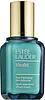
This pore-care serum is formulated around Acetyl Glucosamine and Serenoa Serrulata Fruit Extract to refine the look of pores.
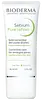
This pore-care treatment is formulated around Methyl Methacrylate Crosspolymer and Salicylic Acid to refine the look of pores and balance excess oil.


What's inside
What's inside
 Key Ingredients
Benefits
Concerns
Ingredients Side-by-side
Water
Skin ConditioningCyclopentasiloxane
Emollient
Dimethicone
Emollient
Polysilicone-11

Acetyl Glucosamine
Skin Conditioning


Sodium Lactate
Buffering
Morus Nigra Root Extract
Skin ConditioningFaex Extract
Skin ConditioningSerenoa Serrulata Fruit Extract
Skin Conditioning
Triticum Vulgare Germ Extract
Skin ConditioningVitis Vinifera Fruit Extract
Skin ConditioningScutellaria Baicalensis Extract
AntimicrobialCastanea Sativa Seed Extract
Skin ConditioningCamellia Sinensis Leaf Extract
Antimicrobial



Hordeum Vulgare Extract
EmollientLavandula Angustifolia Oil
Masking




Amorphophallus Konjac Root Powder
Abrasive
Caffeine
Skin Conditioning
Laminaria Saccharina Extract
Skin Protecting

Tocopheryl Acetate
Antioxidant
Salvia Sclarea Extract
AntiseborrhoeicSodium Hyaluronate
Humectant

Coriandrum Sativum Oil
Masking
Citrus Grandis
Cholesterol
Emollient
Glycerin
Humectant
Ethylhexylglycerin
Skin ConditioningSqualane
Emollient
Polyethylene
Abrasive
Isopentyldiol
Humectant
Phenyl Trimethicone
Skin Conditioning
Isohexadecane
EmollientPolysorbate 20
Emulsifying

Pantethine
EmollientMethyldihydrojasmonate
MaskingAcrylamide/Sodium Acryloyldimethyltaurate Copolymer
Emulsion StabilisingAmmonium Acryloyldimethyltaurate/Vp Copolymer
Polysorbate 80
Emulsifying
PEG-8
HumectantEthyl 2,2-Dimethylhydrocinnamal
Masking
Phospholipids
Skin Conditioning
Palmitoyl Oligopeptide
Cleansing
Butylene Glycol
Humectant
Magnesium Ascorbyl Phosphate
Antioxidant

Glyceryl Polymethacrylate
Sodium Glycinate
Skin ConditioningNordihydroguaiaretic Acid
Antioxidant
Chlorphenesin
Antimicrobial
Phenoxyethanol
Preservative
Limonene
Perfuming
Linalool
Perfuming
CI 77491
Cosmetic ColorantCI 77492
Cosmetic ColorantCI 77499
Cosmetic ColorantMica
Cosmetic ColorantCI 77891
Cosmetic ColorantWater, Cyclopentasiloxane, Dimethicone, Polysilicone-11, Acetyl Glucosamine, Sodium Lactate, Morus Nigra Root Extract, Faex Extract, Serenoa Serrulata Fruit Extract, Triticum Vulgare Germ Extract, Vitis Vinifera Fruit Extract, Scutellaria Baicalensis Extract, Castanea Sativa Seed Extract, Camellia Sinensis Leaf Extract, Hordeum Vulgare Extract, Lavandula Angustifolia Oil, Amorphophallus Konjac Root Powder, Caffeine, Laminaria Saccharina Extract, Tocopheryl Acetate, Salvia Sclarea Extract, Sodium Hyaluronate, Coriandrum Sativum Oil, Citrus Grandis, Cholesterol, Glycerin, Ethylhexylglycerin, Squalane, Polyethylene, Isopentyldiol, Phenyl Trimethicone, Isohexadecane, Polysorbate 20, Pantethine, Methyldihydrojasmonate, Acrylamide/Sodium Acryloyldimethyltaurate Copolymer, Ammonium Acryloyldimethyltaurate/Vp Copolymer, Polysorbate 80, PEG-8, Ethyl 2,2-Dimethylhydrocinnamal, Phospholipids, Palmitoyl Oligopeptide, Butylene Glycol, Magnesium Ascorbyl Phosphate, Glyceryl Polymethacrylate, Sodium Glycinate, Nordihydroguaiaretic Acid, Chlorphenesin, Phenoxyethanol, Limonene, Linalool, CI 77491, CI 77492, CI 77499, Mica, CI 77891
Water
Skin ConditioningMethyl Methacrylate Crosspolymer
Dipropylene Glycol
HumectantCyclopentasiloxane
Emollient
Cyclohexasiloxane
Emollient
Dimethicone
Emollient
Glycerin
Humectant
Butylene Glycol
Humectant
Fomes Officinalis Extract
Skin ProtectingSodium Polyacrylate
Absorbent
Paraffinum Liquidum
Emollient
Silica
Abrasive
Pentylene Glycol
Skin Conditioning
Trideceth-6
Emulsifying1,2-Hexanediol
Skin Conditioning
C30-45 Alkyl Cetearyl Dimethicone Crosspolymer
Emollient
Caprylyl Glycol
Emollient
Lauryl PEG/PPG-18/18 Methicone
Skin Conditioning
Disodium EDTA
ChelatingSalicylic Acid
Masking


Xylitol
Humectant
Propylene Glycol
Humectant
Sodium Hydroxide
BufferingPEG/PPG-18/18 Dimethicone
Emulsifying
Fructooligosaccharides
Humectant
Mannitol
Humectant
Caprylic/Capric Triglyceride
Masking
Ginkgo Biloba Leaf Extract
Skin Conditioning
Dodecyl Gallate
Antioxidant
Rhamnose
HumectantLaminaria Ochroleuca Extract
Skin Conditioning
Citric Acid
Buffering
Parfum
Masking
Water, Methyl Methacrylate Crosspolymer, Dipropylene Glycol, Cyclopentasiloxane, Cyclohexasiloxane, Dimethicone, Glycerin, Butylene Glycol, Fomes Officinalis Extract, Sodium Polyacrylate, Paraffinum Liquidum, Silica, Pentylene Glycol, Trideceth-6, 1,2-Hexanediol, C30-45 Alkyl Cetearyl Dimethicone Crosspolymer, Caprylyl Glycol, Lauryl PEG/PPG-18/18 Methicone, Disodium EDTA, Salicylic Acid, Xylitol, Propylene Glycol, Sodium Hydroxide, PEG/PPG-18/18 Dimethicone, Fructooligosaccharides, Mannitol, Caprylic/Capric Triglyceride, Ginkgo Biloba Leaf Extract, Dodecyl Gallate, Rhamnose, Laminaria Ochroleuca Extract, Citric Acid, Parfum
Reviews
Ingredients Explained
These ingredients are found in both products.
Ingredients higher up in an ingredient list are typically present in a larger amount.
Butylene Glycol (or BG) is used within cosmetic products for a few different reasons:
Overall, Butylene Glycol is a safe and well-rounded ingredient that works well with other ingredients.
Though this ingredient works well with most skin types, some people with sensitive skin may experience a reaction such as allergic rashes, closed comedones, or itchiness.
Learn more about Butylene GlycolCyclopentasiloxane (D5) is a lightweight silicone that mostly acts as an emollient and solvent in cosmetics. Its the reason your products feel silky, fast-spreading, and non-greasy.
Since D5 is volatile, it does its thing and then evaporates off the skin quickly.
The safety profile of this ingredient is reassuring; the US CIR Expert Panel concluded D5 is safe as used in cosmetics and Health Canada concluded that D5 is not harmful to human health or the environment as currently used in cosmetics
There's a study that people mention about D5 in a rat study showing tumors. This study is related to long-term inhalation of high D5 levels.
Regulatory bodies have judged this study to be not applicable in topical skincare since skin absorption of D5 is very low and we're not really inhaling huge amounts of D5.
The only restriction for this ingredient is environmental. The European Chemicals Agency (ECHA) restricted D5 in wash-off cosmetics at or above 0.1% due to their persistence in water.
Learn more about CyclopentasiloxaneDimethicone is a type of synthetic silicone created from natural materials such as quartz. It is also known as polydimethylsiloxane.
What it does:
Dimethicone comes in different viscosities:
Depending on the viscosity, dimethicone has different properties.
Ingredients lists don't always show which type is used, so we recommend reaching out to the brand if you have questions about the viscosity.
This ingredient is unlikely to cause irritation because it does not get absorbed into skin. However, people with silicone allergies should be careful about using this ingredient.
Note: Dimethicone may contribute to pilling. This is because it is not oil or water soluble, so pilling may occur when layered with products. When mixed with heavy oils in a formula, the outcome is also quite greasy.
Learn more about DimethiconeGlycerin (or glycerol) is a compound naturally found in your skin. It's a powerhouse humectant that pulls water into the stratum corneum.
Topically, glycerin does several things at once:
Your skin makes glycerin on its own (mostly from sebaceous oil breakdown) and shuttles it to your outermost layer of skin, or your epidermis, via aquaporin-3.
Aquaporin-3 is a transporter that is essential for normal skin hydration, elasticity, and repair. Interestingly, mice lacking in AQP3 have dry and less elastic skin that can be fully corrected with glycerin.
This ingredient is non-irritating, plays well with almost every ingredient, and works across all skin types. Typical use is anywhere between 3-10% but can go up to 79% in some leave-on products.
Just know very high concentrations (>40%) can feel tacky in low humidity.
Glycerin is the name for this ingredient in American English. British English uses Glycerol/Glycerine.
Learn more about GlycerinWater. It's the most common cosmetic ingredient of all. You'll usually see it at the top of ingredient lists, meaning that it makes up the largest part of the product.
So why is it so popular? Water most often acts as a solvent - this means that it helps dissolve other ingredients into the formulation.
You'll also recognize water as that liquid we all need to stay alive. If you see this, drink a glass of water. Remember to stay hydrated!
Learn more about Water

