

What's inside
What's inside
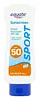 Key Ingredients
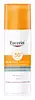
Benefits
Concerns
Ingredients Side-by-side
Butyl Methoxydibenzoylmethane 3%
UV Absorber
Homosalate 15%
Skin Conditioning
Ethylhexyl Salicylate 5%
UV Absorber
Octocrylene 7%
UV Absorber

Water
Skin ConditioningTridecyl Salicylate
Skin ConditioningSorbitol
Humectant

Stearic Acid
Cleansing

Aluminum Starch Octenylsuccinate
Absorbent
Triethanolamine
BufferingPolyethyloxazoline
AbsorbentCarbomer
Emulsion StabilisingDimethicone
Emollient

Tocopherol
Antioxidant





Disodium EDTA
Polyglyceryl-3 Distearate
Emulsifying
Caprylyl Glycol
Emollient
Phenoxyethanol
Preservative
Ethylhexylglycerin
Skin ConditioningSorbitan Isostearate
Emulsifying
Benzyl Alcohol
Perfuming


Parfum
Masking

Butyl Methoxydibenzoylmethane 3%, Homosalate 15%, Ethylhexyl Salicylate 5%, Octocrylene 7%, Water, Tridecyl Salicylate, Sorbitol, Stearic Acid, Aluminum Starch Octenylsuccinate, Triethanolamine, Polyethyloxazoline, Carbomer, Dimethicone, Tocopherol, Disodium EDTA, Polyglyceryl-3 Distearate, Caprylyl Glycol, Phenoxyethanol, Ethylhexylglycerin, Sorbitan Isostearate, Benzyl Alcohol, Parfum
Water
Skin ConditioningAlcohol Denat.
Antimicrobial
Butylene Glycol Dicaprylate/Dicaprate
EmollientC12-15 Alkyl Benzoate
AntimicrobialButyl Methoxydibenzoylmethane
UV Absorber
Dibutyl Adipate
EmollientBis-Ethylhexyloxyphenol Methoxyphenyl Triazine
Skin Conditioning
Silica
Abrasive

Ethylhexyl Triazone
UV Absorber
Phenylbenzimidazole Sulfonic Acid
UV Absorber
Diethylamino Hydroxybenzoyl Hexyl Benzoate
UV Filter
Cetearyl Alcohol
Emollient

Behenyl Alcohol
Emollient
Silica Dimethyl Silylate
EmollientCopernicia Cerifera Cera
Emollient
Glycyrrhetinic Acid
Skin Conditioning
Glycyrrhiza Inflata Root Extract
Skin Conditioning
Carnitine
Cleansing
Glycerin
Humectant
Dimethicone
Emollient
Xanthan Gum
EmulsifyingCarrageenan
Sodium Chloride
MaskingSodium Stearoyl Glutamate
CleansingHydroxypropyl Methylcellulose
Emulsion StabilisingSodium Hydroxide
BufferingTrisodium EDTA
Phenoxyethanol
Preservative
Decylene Glycol
Skin ConditioningEthylhexylglycerin
Skin ConditioningHydroxyacetophenone
Antioxidant
Water, Alcohol Denat., Butylene Glycol Dicaprylate/Dicaprate, C12-15 Alkyl Benzoate, Butyl Methoxydibenzoylmethane, Dibutyl Adipate, Bis-Ethylhexyloxyphenol Methoxyphenyl Triazine, Silica, Ethylhexyl Triazone, Phenylbenzimidazole Sulfonic Acid, Diethylamino Hydroxybenzoyl Hexyl Benzoate, Cetearyl Alcohol, Behenyl Alcohol, Silica Dimethyl Silylate, Copernicia Cerifera Cera, Glycyrrhetinic Acid, Glycyrrhiza Inflata Root Extract, Carnitine, Glycerin, Dimethicone, Xanthan Gum, Carrageenan, Sodium Chloride, Sodium Stearoyl Glutamate, Hydroxypropyl Methylcellulose, Sodium Hydroxide, Trisodium EDTA, Phenoxyethanol, Decylene Glycol, Ethylhexylglycerin, Hydroxyacetophenone
Reviews
Ingredients Explained
These ingredients are found in both products.
Ingredients higher up in an ingredient list are typically present in a larger amount.
Also known as Avobenzone, this ingredient is a chemical sunscreen filter that provides protection in the UV-A range.
Avobenzone is globally approved and is the most commonly used UV-A filter in the world.
Studies have found that avobenzone becomes ineffective when exposed to UV light (it is not photostable; meaning that it breaks down in sunlight). Because of this, formulations that include avobenzone will usually contain stabilizers such as octocrylene.
However, some modern formulations (looking at you, EU!) are able to stabilize avobenzone by coating the molecules.
Avobenzone does not protect against the UV-B range, so it's important to check that the sunscreen you're using contains other UV filters that do!
The highest concentration of avobenzone permitted is 3% in the US, and 5% in the EU.
Learn more about Butyl MethoxydibenzoylmethaneDimethicone is a type of synthetic silicone created from natural materials such as quartz. It is also known as polydimethylsiloxane.
What it does:
Dimethicone comes in different viscosities:
Depending on the viscosity, dimethicone has different properties.
Ingredients lists don't always show which type is used, so we recommend reaching out to the brand if you have questions about the viscosity.
This ingredient is unlikely to cause irritation because it does not get absorbed into skin. However, people with silicone allergies should be careful about using this ingredient.
Note: Dimethicone may contribute to pilling. This is because it is not oil or water soluble, so pilling may occur when layered with products. When mixed with heavy oils in a formula, the outcome is also quite greasy.
Learn more about DimethiconeEthylhexylglycerin is created from glycerin. It is a multitasker ingredient that:
The CIR Expert Panel found minimal skin absorption or sensitization of any kind in a safety assessment. Though this ingredient is considered well-tolerated, a small number of cases of allergic dermatitis have been published since 2002. Just be sure to patch test if you are unsure.
Industry-reported use ranges from 8% in rinse-off products and 2% in leave-on formulations.
Learn more about EthylhexylglycerinPhenoxyethanol is a preservative that has germicide, antimicrobial, and aromatic properties. Studies show that phenoxyethanol can prevent microbial growth. By itself, it has a scent that is similar to that of a rose.
It's often used in formulations along with Caprylyl Glycol to preserve the shelf life of products.
Water. It's the most common cosmetic ingredient of all. You'll usually see it at the top of ingredient lists, meaning that it makes up the largest part of the product.
So why is it so popular? Water most often acts as a solvent - this means that it helps dissolve other ingredients into the formulation.
You'll also recognize water as that liquid we all need to stay alive. If you see this, drink a glass of water. Remember to stay hydrated!
Learn more about Water
