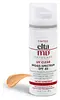
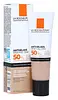
EltaMD, Inc UV Clear Tinted SPF 46 Versus La Roche-Posay Anthelios Mineral One SPF 50+ Tinted Sunscreen
This hybrid sunscreen covers the full UV range and blocks ~98% of UVB at SPF 46.
This hybrid sunscreen covers the full UV range and blocks ~98% of UVB at SPF 50.


What's inside
What's inside
 Key Ingredients
Benefits
Concerns
Ingredients Side-by-side
Zinc Oxide 9%
Cosmetic Colorant


Ethylhexyl Methoxycinnamate 7.5%
UV Absorber
Water
Skin ConditioningCyclopentasiloxane
Emollient
Niacinamide
Smoothing










Octyldodecyl Neopentanoate
EmollientButylene Glycol
Humectant
Hydroxyethyl Acrylate/Sodium Acryloyldimethyl Taurate Copolymer
Emulsion StabilisingPolyisobutene
PEG-7 Trimethylolpropane Coconut Ether
Emulsifying
Sodium Hyaluronate
Humectant
Tocopheryl Acetate
Antioxidant

Lactic Acid
Buffering


Oleth-3 Phosphate
SurfactantPhenoxyethanol
Preservative
Iodopropynyl Butylcarbamate
Preservative
Isopropyl Palmitate
Emollient


Ethylhexyl Stearate
Emollient
Iron Oxides
Triethoxycaprylylsilane
Zinc Oxide 9%, Ethylhexyl Methoxycinnamate 7.5%, Water, Cyclopentasiloxane, Niacinamide, Octyldodecyl Neopentanoate, Butylene Glycol, Hydroxyethyl Acrylate/Sodium Acryloyldimethyl Taurate Copolymer, Polyisobutene, PEG-7 Trimethylolpropane Coconut Ether, Sodium Hyaluronate, Tocopheryl Acetate, Lactic Acid, Oleth-3 Phosphate, Phenoxyethanol, Iodopropynyl Butylcarbamate, Isopropyl Palmitate, Ethylhexyl Stearate, Iron Oxides, Triethoxycaprylylsilane
Titanium Dioxide 13.6%
Cosmetic Colorant
Water
Skin ConditioningDiisopropyl Sebacate
EmollientGlycerin
Humectant
Alcohol Denat.
Antimicrobial

Isopropyl Palmitate
Emollient
Caprylic/Capric Triglyceride
Masking
Propanediol
Solvent
Ethylhexyl Methoxycrylene
Skin Conditioning
Diethylhexyl Syringylidenemalonate
Skin Protecting
Polyglyceryl-6 Polyricinoleate
Emulsifying
Isocetyl Stearate
Emollient
CI 77891
Cosmetic ColorantAluminum Hydroxide
EmollientStearic Acid
Cleansing
Tocopherol
Antioxidant
Polyhydroxystearic Acid
Emulsifying
Caprylyl Glycol
Emollient
Aluminum Stearate
Cosmetic ColorantStearalkonium Hectorite
Gel FormingAlumina
Abrasive
Parfum
Masking

Xanthan Gum
EmulsifyingSclerotium Gum
Emulsion StabilisingLecithin
Emollient
Pullulan
Sodium Lauroyl Glutamate
SurfactantLysine
Skin ConditioningSodium Hyaluronate
Humectant
Magnesium Chloride
Silica
Abrasive
Citric Acid
Buffering
CI 77491
Cosmetic ColorantCI 77492
Cosmetic ColorantCI 77499
Cosmetic ColorantTitanium Dioxide 13.6%, Water, Diisopropyl Sebacate, Glycerin, Alcohol Denat., Isopropyl Palmitate, Caprylic/Capric Triglyceride, Propanediol, Ethylhexyl Methoxycrylene, Diethylhexyl Syringylidenemalonate, Polyglyceryl-6 Polyricinoleate, Isocetyl Stearate, CI 77891, Aluminum Hydroxide, Stearic Acid, Tocopherol, Polyhydroxystearic Acid, Caprylyl Glycol, Aluminum Stearate, Stearalkonium Hectorite, Alumina, Parfum, Xanthan Gum, Sclerotium Gum, Lecithin, Pullulan, Sodium Lauroyl Glutamate, Lysine, Sodium Hyaluronate, Magnesium Chloride, Silica, Citric Acid, CI 77491, CI 77492, CI 77499
Reviews
Ingredients Explained
These ingredients are found in both products.
Ingredients higher up in an ingredient list are typically present in a larger amount.
Isopropyl Palmitate is a lightweight emollient made by combining isopropyl alcohol and palmitic acid.
It is an emollient that leaves skin feeling smooth and silky without leaving a greasy feel.
Typical usage concentrations range from 1-5%.
Human testing shows it's non-irritating and non-sensitizing, and the EU Scientific Committee on Consumer Safety (SCCS) has cleared it at very high levels (79% in leave-on products).
The one thing worth knowing about its comedogenic score of 3-4 is to keep it in perspective: these ratings come from old rabbit-ear tests using 100% of pure ingredient and doesn't reflect how it behaves at low levels in a finished product.
Because it is an ester of palmitic acid (C16), it falls into the range that the Malassezia yeast can feed on and is considered not fungal acne safe.
Learn more about Isopropyl PalmitateSodium Hyaluronate is the salt form of hyaluronic acid. It is a long sugar chain that is naturally found in your skin, joints, and connective tissue that maintains hydration and elasticity.
In skincare, it works as a humectant. It pulls water from the environment and deeper layers of skin and binds it to the surface.
Interestingly, the size of the molecule affects its behavior:
Some clinical evidence links low molecular weight versions to improved wrinkle depth, elasticity, anti-inflammatory effects, and barrier repair.
Many serums use a blend of both weights so you can get surface hydration plus longer-lasting and deeper effects.
You'll typically see concentrations between 0.1-2% for this ingredient.
Learn more about Sodium HyaluronateWater. It's the most common cosmetic ingredient of all. You'll usually see it at the top of ingredient lists, meaning that it makes up the largest part of the product.
So why is it so popular? Water most often acts as a solvent - this means that it helps dissolve other ingredients into the formulation.
You'll also recognize water as that liquid we all need to stay alive. If you see this, drink a glass of water. Remember to stay hydrated!
Learn more about Water

