This oil-based makeup remover is made to dissolve makeup, sunscreen, and daily buildup.
This oil-based makeup remover is made to dissolve makeup, sunscreen, and daily buildup.

What's inside
What's inside
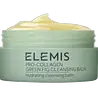 Key Ingredients
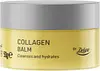
Benefits
Concerns
Ingredients Side-by-side
Prunus Amygdalus Dulcis Oil
Skin Conditioning





Caprylic/Capric Triglyceride
Masking

PEG-6 Caprylic/Capric Glycerides
EmulsifyingPEG-8 Beeswax
Emulsifying
Cetearyl Alcohol
Emollient

Sorbitan Stearate
Emulsifying
Sambucus Nigra Oil
Masking
PEG-60 Almond Glycerides
Emulsifying
Parfum
Masking


Silica
Abrasive


Avena Sativa Kernel Oil
Skin Conditioning

Triticum Vulgare Germ Oil
Emollient
Butyrospermum Parkii Butter
Skin Conditioning
Citrus Aurantium Dulcis Peel Wax
Skin ConditioningGlycerin
Humectant
Lecithin
Emollient
Borago Officinalis Seed Oil
Emollient
Phenoxyethanol
Preservative
Cocos Nucifera Oil
Masking
Acacia Decurrens Flower Wax
Emollient
Rosa Multiflora Flower Wax
Skin ConditioningTocopherol
Antioxidant




Cocoyl Hydrolyzed Collagen
Cleansing
Linalool
Perfuming
Limonene
Perfuming
Water
Skin ConditioningSimmondsia Chinensis Seed Oil
Emollient
Geraniol
Perfuming
Citral
Perfuming
Padina Pavonica Thallus Extract
Skin ConditioningPrunus Amygdalus Dulcis Oil, Caprylic/Capric Triglyceride, PEG-6 Caprylic/Capric Glycerides, PEG-8 Beeswax, Cetearyl Alcohol, Sorbitan Stearate, Sambucus Nigra Oil, PEG-60 Almond Glycerides, Parfum, Silica, Avena Sativa Kernel Oil, Triticum Vulgare Germ Oil, Butyrospermum Parkii Butter, Citrus Aurantium Dulcis Peel Wax, Glycerin, Lecithin, Borago Officinalis Seed Oil, Phenoxyethanol, Cocos Nucifera Oil, Acacia Decurrens Flower Wax, Rosa Multiflora Flower Wax, Tocopherol, Cocoyl Hydrolyzed Collagen, Linalool, Limonene, Water, Simmondsia Chinensis Seed Oil, Geraniol, Citral, Padina Pavonica Thallus Extract
Prunus Amygdalus Dulcis Oil
Skin Conditioning
Caprylic/Capric Triglyceride
Masking
PEG-6 Caprylic/Capric Glycerides
EmulsifyingPEG-8 Beeswax
Emulsifying
PEG-60 Almond Glycerides
Emulsifying
Silica
Abrasive
Cetearyl Alcohol
Emollient
Sorbitan Stearate
Emulsifying
Parfum
Masking
Sambucus Nigra Seed Oil
Borago Officinalis Seed Oil
Emollient
Butyrospermum Parkii Butter
Skin Conditioning
Phenoxyethanol
Preservative
Lavandula Angustifolia Oil
Masking
Hippophae Rhamnoides Oil
Emollient
Glycerin
Humectant
Soluble Collagen
Humectant
Leuconostoc/Radish Root Ferment Filtrate
Antimicrobial
Padina Pavonica Thallus Extract
Skin ConditioningHelianthus Annuus Seed Oil
Emollient
Rosmarinus Officinalis Leaf Extract
AntimicrobialEucalyptus Globulus Oil
Camphor
Masking
Citronellol
Perfuming
Citrus Aurantium Peel Oil
Geraniol
Perfuming
Geranyl Acetate
Perfuming
Lavandula Oil/Extract
Limonene
Perfuming
Linalool
Perfuming
Linalyl Acetate
Masking
Pinene
Masking
Prunus Amygdalus Dulcis Oil, Caprylic/Capric Triglyceride, PEG-6 Caprylic/Capric Glycerides, PEG-8 Beeswax, PEG-60 Almond Glycerides, Silica, Cetearyl Alcohol, Sorbitan Stearate, Parfum, Sambucus Nigra Seed Oil, Borago Officinalis Seed Oil, Butyrospermum Parkii Butter, Phenoxyethanol, Lavandula Angustifolia Oil, Hippophae Rhamnoides Oil, Glycerin, Soluble Collagen, Leuconostoc/Radish Root Ferment Filtrate, Padina Pavonica Thallus Extract, Helianthus Annuus Seed Oil, Rosmarinus Officinalis Leaf Extract, Eucalyptus Globulus Oil, Camphor, Citronellol, Citrus Aurantium Peel Oil, Geraniol, Geranyl Acetate, Lavandula Oil/Extract, Limonene, Linalool, Linalyl Acetate, Pinene
Reviews
Ingredients Explained
These ingredients are found in both products.
Ingredients higher up in an ingredient list are typically present in a larger amount.
Borago Officinalis Seed Oil is from the seeds of the starflower plant. This plant grows primarily in Europe.
This oil does not have a scent. It contains fatty acids such as linolenic acid. These fatty acids help keep skin hydrated.
Borago Officinalis Seed Oil is an antioxidant. Antioxidants help fight free-radicals. Free-radicals are molecules that may damage your skin cells.
Learn more about Borago Officinalis Seed OilThis ingredient is also known as shea butter. It is a plant-derived extract from the nuts of the Africa shea tree and one of the most well-studied emollients.
Because it has a high concentration of fatty acids (primarily oleic, stearic, and linoleic) it is able to form a protective barrier on the skin's surface. This helps seal in moisture and prevents transepidermal water loss (TEWL).
In vitro research found an increase in skin hydration by 58% and a decrease in TEWL by 37.8% after 24 hours of applying this ingredient (pretty impressive for a single ingredient!).
Besides hydration, shea butter also contains triterpenes that have anti-inflammatory potential. In particule, lupeol cinnamate has shown the highest anti-inflammatory activity in vivo.
Shea butter also contains vitamins A and E which may contribute to antioxidant activity.
While Shea Butter has an SPF rating of about 3-4, it is not a sunscreen replacement.
This ingredient may not be fungal acne safe because its fatty acids fall within the C11-C24 range that the Malassezia yeast can metabolize.
This ingredient shows up on a lot of "pore-clogging" lists but there's no real evidence behind that. It doesn't even have a comedogenic rating from an actual study; the numbers you'll find online come from blogs citing other blogs.
Ratings for other ingredients mostly come from a 1980s rabbit ear test. This test doesn't translate well to human skin or to real products because the ingredient sits at a much lower percentage.
Some people still find it breaks them out. So if that's you, definitely trust your skin. Just know this one's based on experience and not evidence.
Learn more about Butyrospermum Parkii ButterCaprylic/Capric Triglyceride (aka MCT Oil) is a lightweight emollient, solvent, and texture enhancer. It is considered a skin-softener by helping to prevent moisture loss.
Though it behaves like an oil, it is not technically one due to its chemical composition. One perk of this ingredient is that it is very stable, resistant to oxidation, and unlikely to go rancid.
In practice, that translates to a long shelf life and a consistently elegant skin feel.
While there is an assumption Caprylic Triglyceride can clog pores due to it being derived from coconut oil, there is no research supporting this. Just patch test if you have concerns.
Fractionated coconut oil and MCT Oil are both listed as Caprylic/Capric Triglyceride according to INCI. This is because INCI names are based on the ingredient’s final chemical composition and not its marketing name or source.
This ingredient is treated as the gold standard fungal acne safe oil. Even though it is coconut derived, the problematic lauric acid is stripped out.
This leaves just caprylic (C8) and capric (C10) acid. These chain lengths actually trend antifungal; a 2020 study found caprylic acid was enough to disrupt Malassezia furfur cell membrane, with a caprylic acid derivative damaging membrane structures at concentrations as low as 0.2%.
Learn more about Caprylic/Capric TriglycerideCetearyl alcohol is a waxy mixture of two fatty alcohols: cetyl alcohol and stearyl alcohol. It is an emollient and emulsifier.
Despite having "alcohol" in its name, it has nothing to do with drying solvent alcohols; the FDA also allows "alcohol-free" products to contain fatty alcohols like this ingredient.
It plays several roles in a formula:
Typical use levels for this ingredient sit around 1-10% and the Cosmetic Ingredient Review Expert Panel has affirmed safety at concentrations up to 25% in leave-on products.
Multiple assessments have found it to be non-irritating and non-sensitizing to most people.
However, there have been some cases of allergic contact dermatitis in patients with chronically compromised skin barriers.
Cetearyl alcohol has a comedogenic rating of 2 and irritancy rating of 1. Both of these numbers come from the 1989 study that used rabbit ears; a "2" means mildly comedogenic and a "1" means low irritancy.
Here's the catch: rabbit skin is more sensitive than human skin and throws a lot of false positives. A 1996 reappraisal found that ingredients rated 1-2 in the rabbit ear tests are generally safe for humans.
Remember comedogenic ratings are unable to assess the entire formula of a product or how it will react on your skin. Just be sure to patch test if you are unsure about certain ingredients.
This ingredient is not fungal acne safe. Cetearyl alcohol is a fatty alcohol with chain lengths that fall within the range that Malassezia can metabolize.
A 2019 study has also observed Malassezia growth in the presence of this ingredient, confirming it to be not-fungal acne safe.
Learn more about Cetearyl AlcoholGeraniol is used to add fragrance/parfum to a product. It is the main component of citronellol. It is a monoterpenoid and an alcohol.
Monoterpenes are naturally found in many parts of different plants.
Geraniol can be found in many essential oils including Rose Oil and Citronella Oil. The scent of Geraniol is often described as "rose-like". Many foods also contain Geraniol for fruit flavoring.
Geraniol can irritate the skin when exposed to air. However, irritation depends on the ability of geraniol to penetrate into the skin. In general, geraniol is not able to penetrate skin easily.
Geraniol is colorless and has low water-solubility. However, it is soluble in common organic solvents.
Like citronellol, it is a natural insect repellent.
2,6-Octadien-1-ol, 3,7-dimethyl-, (2E)-
Learn more about GeraniolGlycerin (or glycerol) is a compound naturally found in your skin. It's a powerhouse humectant that pulls water into the stratum corneum.
Topically, glycerin does several things at once:
Your skin makes glycerin on its own (mostly from sebaceous oil breakdown) and shuttles it to your outermost layer of skin, or your epidermis, via aquaporin-3.
Aquaporin-3 is a transporter that is essential for normal skin hydration, elasticity, and repair. Interestingly, mice lacking in AQP3 have dry and less elastic skin that can be fully corrected with glycerin.
This ingredient is non-irritating, plays well with almost every ingredient, and works across all skin types. Typical use is anywhere between 3-10% but can go up to 79% in some leave-on products.
Just know very high concentrations (>40%) can feel tacky in low humidity.
Glycerin is the name for this ingredient in American English. British English uses Glycerol/Glycerine.
Learn more about GlycerinLimonene is the compound that gives citrus peel its smell.
In skincare, it shows up as a standalone fragrance ingredient or as a natural compound of citrus and other essential oils.
You'll typically see this ingredient used in very small amounts; anything above 0.001% in a leave-on product or 0.01% in a rinse-off has to be named on the label in the EU. The citrus oils that carry it sit around 0.5-1% in a finished formula.
Fresh limonene is a weak allergen; the real issue is that it slowly reacts with air and then breaks down from oxidation to create hydroperoxides (which are strong sensitizers). This is why suppliers are required to keep the peroxide value below 20 mmol.
Positive reactions in people being investigated for eczema vary:
It's worth skipping if you have a known fragrance allergy or a compromised barrier, but the risk is low for most people.
Older or long-opened products are also more likely to bother you than fresh ones due to oxidation.
Learn more about LimoneneLinalool is a small, naturally occurring scent molecule found in plants like lavender, coriander, bergamot, and more.
It is one of the two most-used fragrance ingredients in cosmetics and added purely for smell. Since it's not used for a skin benefit, there's no "effective dose". Concentration depends on the fragrance load of the product.
The EU requires it to be named on the label above 0.001% in leave-on and 0.01% in rinse-off products.
Fresh linalool is a weak sensitizer but air exposure turns some of it into hydroperoxides, which are strong sensitizers. Those oxidation products are the actual allergy concern.
Patch-test clinics see positive reactions to linalool hydroperoxides in about 4% to 12% of dermatitis patients depending on country and test concentration.
Resassuringly, one analytical study found hydroperoxide levels in real fragranced products to be orders of magnitude below what induced sensitization in animal studies with no evidence of oxidation building up during normal storage.
The practical takeaway is that linalool is fine for most people but worth avoiding if you have a confirmed fragrance contact allergy or a badly compromised barrier.
Products stored a long time after opening are also the high-risk scenario since that is when oxidation happens.
The scent of linalool is described as floral, spicy tropical, and citrus-like.
Learn more about LinaloolWe don't have a description for Padina Pavonica Thallus Extract yet.
Parfum is a catch-all term for an ingredient or more that is used to give a scent to products.
Also called "fragrance", this ingredient can be a blend of hundreds of chemicals or plant oils. This means every product with "fragrance" or "parfum" in the ingredients list is a different mixture.
For instance, Habanolide is a proprietary trade name for a specific aroma chemical. When used as a fragrance ingredient in cosmetics, most aroma chemicals fall under the broad labeling category of “FRAGRANCE” or “PARFUM” according to EU and US regulations.
The term 'parfum' or 'fragrance' is not regulated in many countries. In many cases, it is up to the brand to define this term.
For instance, many brands choose to label themselves as "fragrance-free" because they are not using synthetic fragrances. However, their products may still contain ingredients such as essential oils that are considered a fragrance by INCI standards.
One example is Calendula flower extract. Calendula is an essential oil that still imparts a scent or 'fragrance'.
Depending on the blend, the ingredients in the mixture can cause allergies and sensitivities on the skin. Some ingredients that are known EU allergens include linalool and citronellol.
Parfum can also be used to mask or cover an unpleasant scent.
The bottom line is: not all fragrances/parfum/ingredients are created equally. If you are worried about fragrances, we recommend taking a closer look at an ingredient. And of course, we always recommend speaking with a professional.
Learn more about ParfumThis ingredient is derived from caprylic and capric acids. It is an emulsifier with emollient properties.
According to the manufacturer, it is hydrophilic and soluble in aqueous solutions (water). They also state this ingredient is stable in a medium pH range (~5 - 8).
As an emulsifier, it helps make oils and oil-soluble ingredients more soluble in water.
Learn more about PEG-6 Caprylic/Capric GlyceridesThis ingredient is derived from almond oil. It is an emulsifier with emollient properties.
Emulsifiers help prevent ingredients from separating. The fatty acid content of this ingredient gives it emollient properties. Emollients hydrate the skin by preventing water from evaporating.
Due to the fatty acid content, this ingredient may not be Malassezia folliculitis safe.
The 60 stands for 60 moles of ethylene oxide.
Learn more about PEG-60 Almond GlyceridesPEG-8 Beeswax isn't fungal acne safe.
Phenoxyethanol is one of the most widely used preservatives in skincare (and for good reason!).
It has a large spectrum of antimicrobial activity and especially effective bacteria, yeast, and mold while only having a weak effect on your skin's natural microbiome.
On a cellular level, it disrupts the cell membranes of microbes by poking holes that make the cell leak. This shuts down the chemical reactions the microbe needs to make energy so it can no longer survive.
Another perk of this ingredient is that it stays functional across a wide pH range (3-10).
You'll often see it paired with boosters like Ethylhexylglycerin; one study showed that a 1:9 ratio of Ethylhexylglycerin to Phenoxyethanol damages bacterial membranes as effectively as doubling the Phenoxyethanol concentration on its own.
Typical use concentrations range from 0.3-1% depending on the formula, and this ingredient is capped at 1% int the EU.
Safety-wise, the fear mongering does not hold up to the evidence. The EU's Scientific Committee on Consumer Safety and FDA consider it safe as a preservative at up to 1%, including for children of all ages.
Adverse systemic effects only showed up in animal studies at exposures roughly 200x higher than what people get from cosmetics. And despite its very widespread use, this ingredient is a rare sensitizer and allergic reactions are uncommon.
Learn more about PhenoxyethanolThis ingredient is also known as sweet almond oil. It is a lightweight, cold-pressed oil from the ripe seeds of the sweet almond tree.
Sweet almond oil is rich in skin-nourishing fatty acids such as oleic acid (55-86%) and linolenic acid (7-35%).
As an emollient, it softens and hydrates skin by forming a thin barrier that locks in moisture.
Clinical studies have found it to be non-irritating and non-sensitizing. The CIR Expert Panel has evaluated the available safety data and concluded it is safe for topical use.
Because of the oleic acid content, this ingredient may not be fungal acne safe.
Learn more about Prunus Amygdalus Dulcis OilSilica, also known as silicon dioxide, is a naturally occurring mineral. It is used as a fine, spherical, and porous powder in cosmetics.
Though it has exfoliant properties, the function of silica varies depending on the product.
The unique structure of silica enhances the spreadability and adds smoothness, making it a great texture enhancer.
It is also used as an active carrier, emulsifier, and mattifier due to its ability to absorb excess oil.
In some products, tiny microneedles called spicules are made from silica or hydrolyzed sponge. When you rub them in, they lightly polish away dead skin layers and enhance the penetration of active ingredients.
Learn more about SilicaSorbitan Stearate is an emulsifier made by reacting sorbitol with stearic acid.
It's mostly used to keep oil and water mixed so your formulas stay smooth and stable.
The Cosmetic Ingredient Review has found 4% of this ingredient in repeat-insult patch tests on humans to be non-sensitizing. There is a caveat that some reactions have shown up in patients with damaged or diseased skin.
Because it is an ester of a C18 fatty acid, it falls into the C11-24 range that the Malassezia yeast can metabolize. This means this ingredient may not be fungal acne safe.
Learn more about Sorbitan Stearate

