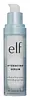
This hydrating serum is formulated around Simmondsia Chinensis Seed Oil and Butyrospermum Parkii Butter to hydrate skin and strengthen the skin barrier.
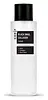
This hydrating toner is formulated around Snail Secretion Filtrate and Copper Tripeptide-1 to hydrate skin and soften the look of wrinkles.


What's inside
What's inside
 Key Ingredients
Benefits
Concerns
Ingredients Side-by-side
Water
Skin ConditioningButylene Glycol
Humectant

Glycerin
Humectant
Hydrogenated Polyisobutene
EmollientCetyl Ethylhexanoate
EmollientDimethicone
Emollient
Steareth-21
CleansingSteareth-2
EmulsifyingSimmondsia Chinensis Seed Oil
Emollient


Butyrospermum Parkii Butter
Skin Conditioning


Vitis Vinifera Seed Oil
Emollient
Aloe Barbadensis Leaf Extract
Emollient
Carbomer
Emulsion StabilisingTriethanolamine
BufferingTocopheryl Acetate
Antioxidant


Chrysanthellum Indicum Extract
Skin Conditioning
Disodium EDTA
ChelatingSodium Hyaluronate
Humectant

Camellia Sinensis Leaf Extract
Antimicrobial

Phenoxyethanol
Preservative
Caprylyl Glycol
Emollient
Water, Butylene Glycol, Glycerin, Hydrogenated Polyisobutene, Cetyl Ethylhexanoate, Dimethicone, Steareth-21, Steareth-2, Simmondsia Chinensis Seed Oil, Butyrospermum Parkii Butter, Vitis Vinifera Seed Oil, Aloe Barbadensis Leaf Extract, Carbomer, Triethanolamine, Tocopheryl Acetate, Chrysanthellum Indicum Extract, Disodium EDTA, Sodium Hyaluronate, Camellia Sinensis Leaf Extract, Phenoxyethanol, Caprylyl Glycol
Snail Secretion Filtrate
Skin Conditioning
Water
Skin ConditioningBetula Alba Juice
AstringentButylene Glycol
Humectant
Methyl Gluceth-20
Humectant
Sodium Hyaluronate
Humectant
1,2-Hexanediol
Skin Conditioning
Glycoproteins
Skin Conditioning
Betaine
Humectant
Glycerin
Humectant
Yeast Extract
Skin ConditioningViola Mandshurica Flower Extract
Antioxidant
Morus Alba Fruit Extract
Antioxidant
Sea Water
HumectantGalactomyces Ferment Filtrate
Humectant
Portulaca Oleracea Extract
Skin Conditioning
PPG-26-Buteth-26
Skin ConditioningPEG-40 Hydrogenated Castor Oil
Emulsifying
Allantoin
Skin Conditioning
Glycine Soja Seed Extract
Skin Conditioning
Sesamum Indicum Seed Extract
Skin Conditioning
Oryza Sativa Extract
Absorbent
Theobroma Cacao Extract
Skin ConditioningPanax Ginseng Berry Extract
Skin Conditioning
Adenosine
Skin Conditioning
Copper Tripeptide-1
Skin Conditioning
Hydrolyzed Collagen
Emollient
Carbomer
Emulsion StabilisingTriethanolamine
BufferingDipotassium Glycyrrhizate
Humectant
Ethylhexylglycerin
Skin ConditioningParfum
Masking


Snail Secretion Filtrate, Water, Betula Alba Juice, Butylene Glycol, Methyl Gluceth-20, Sodium Hyaluronate, 1,2-Hexanediol, Glycoproteins, Betaine, Glycerin, Yeast Extract, Viola Mandshurica Flower Extract, Morus Alba Fruit Extract, Sea Water, Galactomyces Ferment Filtrate, Portulaca Oleracea Extract, PPG-26-Buteth-26, PEG-40 Hydrogenated Castor Oil, Allantoin, Glycine Soja Seed Extract, Sesamum Indicum Seed Extract, Oryza Sativa Extract, Theobroma Cacao Extract, Panax Ginseng Berry Extract, Adenosine, Copper Tripeptide-1, Hydrolyzed Collagen, Carbomer, Triethanolamine, Dipotassium Glycyrrhizate, Ethylhexylglycerin, Parfum
Reviews
Ingredients Explained
These ingredients are found in both products.
Ingredients higher up in an ingredient list are typically present in a larger amount.
Butylene Glycol (or BG) is used within cosmetic products for a few different reasons:
Overall, Butylene Glycol is a safe and well-rounded ingredient that works well with other ingredients.
Though this ingredient works well with most skin types, some people with sensitive skin may experience a reaction such as allergic rashes, closed comedones, or itchiness.
Learn more about Butylene GlycolCarbomer is a synthetic thickening and gelling agent. It's basically the ingredient that gives a lot of serums, gels, creams, and sunscreens their smooth, non-sticky texture.
Although legally permitted at very high levels, carbomers are normally used at concentrations below 1%.
It also needs to be neutralized to actually thicken, and because it is a large molecule, it doesn't really penetrate the skin barrier.
Allergy-wise, the risk is very low. Clinical studies show carbomers have low potential for skin irritation/sensitization even at concentrations up to 100%.
A 2024 UK study patch-tested 1,302 patients and found true allergy to the parent group of carbomer to be rare with no confirmed relevant reactions.
Learn more about CarbomerGlycerin (or glycerol) is a compound naturally found in your skin. It's a powerhouse humectant that pulls water into the stratum corneum.
Topically, glycerin does several things at once:
Your skin makes glycerin on its own (mostly from sebaceous oil breakdown) and shuttles it to your outermost layer of skin, or your epidermis, via aquaporin-3.
Aquaporin-3 is a transporter that is essential for normal skin hydration, elasticity, and repair. Interestingly, mice lacking in AQP3 have dry and less elastic skin that can be fully corrected with glycerin.
This ingredient is non-irritating, plays well with almost every ingredient, and works across all skin types. Typical use is anywhere between 3-10% but can go up to 79% in some leave-on products.
Just know very high concentrations (>40%) can feel tacky in low humidity.
Glycerin is the name for this ingredient in American English. British English uses Glycerol/Glycerine.
Learn more about GlycerinSodium Hyaluronate is the salt form of hyaluronic acid. It is a long sugar chain that is naturally found in your skin, joints, and connective tissue that maintains hydration and elasticity.
In skincare, it works as a humectant. It pulls water from the environment and deeper layers of skin and binds it to the surface.
Interestingly, the size of the molecule affects its behavior:
Some clinical evidence links low molecular weight versions to improved wrinkle depth, elasticity, anti-inflammatory effects, and barrier repair.
Many serums use a blend of both weights so you can get surface hydration plus longer-lasting and deeper effects.
You'll typically see concentrations between 0.1-2% for this ingredient.
Learn more about Sodium HyaluronateTriethanolamine (TEA) is an emulsifier and pH adjuster. It is created using ethylene oxide and ammonia. This gives Triethanolamine a nitrogen core and a similar scent to ammonia.
As an emulsifier, it prevents ingredients from separating and enhances texture by adding volume to a product.
PH adjusters are common in cosmetic products. The pH of a product can affect the effectiveness of other ingredients. A product with a high pH may also irritate the skin.
If you are looking for the tea leaf ingredient, click here.
Learn more about TriethanolamineWater. It's the most common cosmetic ingredient of all. You'll usually see it at the top of ingredient lists, meaning that it makes up the largest part of the product.
So why is it so popular? Water most often acts as a solvent - this means that it helps dissolve other ingredients into the formulation.
You'll also recognize water as that liquid we all need to stay alive. If you see this, drink a glass of water. Remember to stay hydrated!
Learn more about Water

