
What's inside
What's inside
 Key Ingredients
Benefits
Concerns
Ingredients Side-by-side
Water
Skin ConditioningHydrogenated Didecene
Skin ConditioningSqualane
Emollient


Propylene Glycol
Humectant

Glycerin
Humectant
Octyldodecanol
Emollient
Cetyl PEG/PPG-10/1 Dimethicone
Emulsifying
Dimethicone
Emollient
Polyglyceryl-4 Isostearate
Emulsifying
Synthetic Fluorphlogopite
Isoamyl Laurate
Emollient
Hydrogenated Styrene/Isoprene Copolymer
Ethylhexyl Hydroxystearate
Emollient
Sodium Chloride
MaskingPhenoxyethanol
Preservative
Caprylic/Capric Triglyceride
Masking
Disteardimonium Hectorite
StabilisingPropylene Carbonate
SolventEthylhexylglycerin
Skin ConditioningCaprylyl Glycol
Emollient
Helianthus Annuus Seed Oil
Emollient
Aluminum Hydroxide
EmollientHydrolyzed Sodium Hyaluronate
Skin Conditioning
Sodium Hyaluronate
Humectant

Disodium EDTA
ChelatingTocopherol
Antioxidant



Triethoxycaprylylsilane
Polymethylsilsesquioxane
Calendula Officinalis Flower Extract
Masking
Tin Oxide
Abrasive
Pentaerythrityl Tetra-Di-T-Butyl Hydroxyhydrocinnamate
Antioxidant
CI 77891
Cosmetic ColorantCI 77492
Cosmetic ColorantCI 77491
Cosmetic ColorantCI 77499
Cosmetic ColorantCI 77163
Cosmetic Colorant
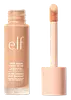
Water, Hydrogenated Didecene, Squalane, Propylene Glycol, Glycerin, Octyldodecanol, Cetyl PEG/PPG-10/1 Dimethicone, Dimethicone, Polyglyceryl-4 Isostearate, Synthetic Fluorphlogopite, Isoamyl Laurate, Hydrogenated Styrene/Isoprene Copolymer, Ethylhexyl Hydroxystearate, Sodium Chloride, Phenoxyethanol, Caprylic/Capric Triglyceride, Disteardimonium Hectorite, Propylene Carbonate, Ethylhexylglycerin, Caprylyl Glycol, Helianthus Annuus Seed Oil, Aluminum Hydroxide, Hydrolyzed Sodium Hyaluronate, Sodium Hyaluronate, Disodium EDTA, Tocopherol, Triethoxycaprylylsilane, Polymethylsilsesquioxane, Calendula Officinalis Flower Extract, Tin Oxide, Pentaerythrityl Tetra-Di-T-Butyl Hydroxyhydrocinnamate, CI 77891, CI 77492, CI 77491, CI 77499, CI 77163
Zinc Oxide 8%
Cosmetic Colorant


Water
Skin ConditioningSynthetic Fluorphlogopite
Caprylyl Methicone
Skin Conditioning
C26-28 Alkyl Dimethicone
Skin Conditioning
Tridecyl Salicylate
Skin Conditioning
Glycerin
Humectant
Titanium Dioxide
Cosmetic Colorant
Isohexadecane
EmollientCaprylic/Capric Triglyceride
Masking
Lauryl PEG-8 Dimethicone
Surfactant
Methylpropanediol
SolventDimethicone
Emollient
Disteardimonium Hectorite
StabilisingPolymethylsilsesquioxane
Sodium Chloride
MaskingSilica
Abrasive
Polyglyceryl-4 Diisostearate/Polyhydroxystearate/Sebacate
Emulsifying
Caprylyl Glycol
Emollient
CI 77491
Cosmetic ColorantAllantoin
Skin Conditioning
Propylene Carbonate
SolventLecithin
Emollient
Bisabolol
Antioxidant
C12-15 Alkyl Benzoate
AntimicrobialCI 77492
Cosmetic ColorantPhenylpropanol
Masking
Mica
Cosmetic ColorantTin Oxide
Abrasive
Tetrasodium Glutamate Diacetate
ChelatingCI 77499
Cosmetic ColorantHydrogenated Lecithin
Emulsifying
Sodium Hydroxide
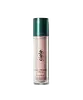
BufferingZinc Oxide 8%, Water, Synthetic Fluorphlogopite, Caprylyl Methicone, C26-28 Alkyl Dimethicone, Tridecyl Salicylate, Glycerin, Titanium Dioxide, Isohexadecane, Caprylic/Capric Triglyceride, Lauryl PEG-8 Dimethicone, Methylpropanediol, Dimethicone, Disteardimonium Hectorite, Polymethylsilsesquioxane, Sodium Chloride, Silica, Polyglyceryl-4 Diisostearate/Polyhydroxystearate/Sebacate, Caprylyl Glycol, CI 77491, Allantoin, Propylene Carbonate, Lecithin, Bisabolol, C12-15 Alkyl Benzoate, CI 77492, Phenylpropanol, Mica, Tin Oxide, Tetrasodium Glutamate Diacetate, CI 77499, Hydrogenated Lecithin, Sodium Hydroxide
Reviews
Ingredients Explained
These ingredients are found in both products.
Ingredients higher up in an ingredient list are typically present in a larger amount.
Caprylic/Capric Triglyceride (aka MCT Oil) is a lightweight emollient, solvent, and texture enhancer. It is considered a skin-softener by helping to prevent moisture loss.
Though it behaves like an oil, it is not technically one due to its chemical composition. One perk of this ingredient is that it is very stable, resistant to oxidation, and unlikely to go rancid.
In practice, that translates to a long shelf life and a consistently elegant skin feel.
While there is an assumption Caprylic Triglyceride can clog pores due to it being derived from coconut oil, there is no research supporting this. Just patch test if you have concerns.
Fractionated coconut oil and MCT Oil are both listed as Caprylic/Capric Triglyceride according to INCI. This is because INCI names are based on the ingredient’s final chemical composition and not its marketing name or source.
This ingredient is treated as the gold standard fungal acne safe oil. Even though it is coconut derived, the problematic lauric acid is stripped out.
This leaves just caprylic (C8) and capric (C10) acid. These chain lengths actually trend antifungal; a 2020 study found caprylic acid was enough to disrupt Malassezia furfur cell membrane, with a caprylic acid derivative damaging membrane structures at concentrations as low as 0.2%.
Learn more about Caprylic/Capric TriglycerideCaprylyl Glycol is a humectant, skin conditioner, emollient, and preservative booster derived from either caprylic acid or synthetically created.
Typical use levels vary from 0.3-1% as a preservative booster and go up to 2% to condition skin.
Because it is not a free-fatty acid, this ingredient is fungal acne safe (there's nothing for Malassezia to feed on).
Learn more about Caprylyl GlycolCi 77491 is also hydrated iron III oxide. It's sole purpose is to give a red/pink hue to products.
Iron III oxides are classified as inorganic chemicals for coloring.
Synthetically created Ci 77491 is considered safer than those naturally found. This is because the synthetically created version may contain less impurities. Iron oxides are generally non-toxic and non-allergenic.
Learn more about CI 77491CI 77492 is also hydrated iron III oxide. It's sole purpose is to give a yellow hue to products.
Iron III oxides are classified as inorganic chemicals for coloring.
Synthetically created CI 77492 is considered safer than those naturally found. This is because the synthetically created version may contain less impurities. Iron oxides are generally non-toxic and non-allergenic.
Learn more about CI 77492Ci 77499 is also hydrated iron III oxide. It is created from mixing red and black iron oxides. This helps give shades of darkness to a product.
Iron III oxides are classified as inorganic chemicals for coloring.
Dimethicone is a type of synthetic silicone created from natural materials such as quartz. It is also known as polydimethylsiloxane.
What it does:
Dimethicone comes in different viscosities:
Depending on the viscosity, dimethicone has different properties.
Ingredients lists don't always show which type is used, so we recommend reaching out to the brand if you have questions about the viscosity.
This ingredient is unlikely to cause irritation because it does not get absorbed into skin. However, people with silicone allergies should be careful about using this ingredient.
Note: Dimethicone may contribute to pilling. This is because it is not oil or water soluble, so pilling may occur when layered with products. When mixed with heavy oils in a formula, the outcome is also quite greasy.
Learn more about DimethiconeDisteardimonium Hectorite comes from the clay mineral named hectorite. It is used to add thickness to a product.
It can also help stabilize a product by helping to disperse other ingredients.
Hectorite is a rare, white clay mineral.
Learn more about Disteardimonium HectoriteGlycerin (or glycerol) is a compound naturally found in your skin. It's a powerhouse humectant that pulls water into the stratum corneum.
Topically, glycerin does several things at once:
Your skin makes glycerin on its own (mostly from sebaceous oil breakdown) and shuttles it to your outermost layer of skin, or your epidermis, via aquaporin-3.
Aquaporin-3 is a transporter that is essential for normal skin hydration, elasticity, and repair. Interestingly, mice lacking in AQP3 have dry and less elastic skin that can be fully corrected with glycerin.
This ingredient is non-irritating, plays well with almost every ingredient, and works across all skin types. Typical use is anywhere between 3-10% but can go up to 79% in some leave-on products.
Just know very high concentrations (>40%) can feel tacky in low humidity.
Glycerin is the name for this ingredient in American English. British English uses Glycerol/Glycerine.
Learn more about GlycerinPolymethylsilsesquioxane is a silicone used as a film forming agent.
When applied to the skin, this ingredient creates an invisible film on the surface. This film still allows oxygen to pass through, but prevents moisture from escaping. This can help condition and hydrate the skin. It also leaves a silky feel when applied.
Polymethylsilsesquioxane has not been shown to clog pores. It has been deemed safe to use up to 55%, but most cosmetics use much less.
If you have concerns about using this ingredient, we recommend speaking with a professional.
Learn more about PolymethylsilsesquioxaneThis ingredient is a solvent. It helps dissolve active ingredients and alter the texture of products.
Propylene Carbonate is commonly used in makeup and with clay, such as montmorillonite or bentonite.
Studies show this ingredient to be safe for cosmetics. When it is undiluted, it can cause skin irritation. (It is always diluted in skincare and makeup). This ingredient is water-soluble.
Propylene Carbonate is created from propylene glycol and carbonic acid.
Learn more about Propylene CarbonateChances are, you eat sodium chloride every day. Sodium Chloride is also known as table salt. This ingredient has many purposes in skincare: thickener, emulsifier, and exfoliator.
You'll most likely find this ingredient in cleansers where it is used to create a gel-like texture. As an emulsifier, it also prevents ingredients from separating.
You might see people debate whether Sodium Chloride is comedogenic, but there actually haven't been any comedogenic tests done on it. Either way, the overall formulation of a product matters a lot more than any single ingredient.
You might see this ingredient used in scrubs as a primary exfoliating ingredient.
Learn more about Sodium ChlorideSynthetic Fluorphlogopite is the synthethic version of mica. It consists of fluorine, aluminum and silicate.
Synthetic Fluorphlogopite is used to add volume to products.
It is considered non-irritating on the skin.
Learn more about Synthetic FluorphlogopiteTin Oxide is an inorganic oxide used to add opacity and volume to a product. In nature, it is already found in mineral form. The main ore of tin is an opaque and shiny mineral called casseterite.
Tin Oxide helps remove translucency in a product, or make it more opaque. Besides adding opacity, tin oxide is used for bulking to add volume.
Water. It's the most common cosmetic ingredient of all. You'll usually see it at the top of ingredient lists, meaning that it makes up the largest part of the product.
So why is it so popular? Water most often acts as a solvent - this means that it helps dissolve other ingredients into the formulation.
You'll also recognize water as that liquid we all need to stay alive. If you see this, drink a glass of water. Remember to stay hydrated!
Learn more about Water

