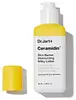
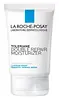
Dr. Jart+ Ceramidin Skin Barrier Moisturising Milky Lotion Versus La Roche-Posay Toleriane Double Repair Face Moisturizer
This barrier-repair moisturizer is formulated around Panthenol and Ceramide NP to strengthen the skin barrier and hydrate skin.
This barrier-repair moisturizer is formulated around Squalane and Niacinamide to strengthen the skin barrier and hydrate skin.


What's inside
What's inside
 Key Ingredients
Benefits
Concerns
Ingredients Side-by-side
Water
Skin ConditioningGlycerin
Humectant


Dicaprylyl Carbonate
EmollientOctyldodecanol
Emollient
Butylene Glycol
Humectant
Diisostearyl Malate
EmollientPentylene Glycol
Skin Conditioning
Panthenol
Skin Conditioning

Diglycerin
Humectant
Vinyldimethicone

1,2-Hexanediol
Skin Conditioning
Cetearyl Olivate


Hydrogenated Vegetable Oil
Emollient


Sorbitol
Humectant
Ceramide NP
Skin Conditioning

Polyglyceryl-3 Diisostearate
Emulsifying
Theobroma Cacao Extract
Skin ConditioningTromethamine
BufferingCetearyl Alcohol
Emollient
Cyclodextrin
AbsorbentSilica
Abrasive


Hydroxyethyl Acrylate/Sodium Acryloyldimethyl Taurate Copolymer
Emulsion StabilisingSorbitan Olivate
Emulsifying
Glyceryl Stearate
Emollient
Acrylates/C10-30 Alkyl Acrylate Crosspolymer
Emulsion StabilisingC12-16 Alcohols
EmollientPalmitic Acid
Emollient
Hydrogenated Lecithin
Emulsifying
Lecithin
Emollient
Sorbitan Isostearate
Emulsifying
Dextrin
AbsorbentParfum
Masking


Sodium Phytate
ChelatingTocopherol
Antioxidant



Phenoxyethanol
Preservative
CI 19140
Cosmetic ColorantWater, Glycerin, Dicaprylyl Carbonate, Octyldodecanol, Butylene Glycol, Diisostearyl Malate, Pentylene Glycol, Panthenol, Diglycerin, Vinyldimethicone, 1,2-Hexanediol, Cetearyl Olivate, Hydrogenated Vegetable Oil, Sorbitol, Ceramide NP, Polyglyceryl-3 Diisostearate, Theobroma Cacao Extract, Tromethamine, Cetearyl Alcohol, Cyclodextrin, Silica, Hydroxyethyl Acrylate/Sodium Acryloyldimethyl Taurate Copolymer, Sorbitan Olivate, Glyceryl Stearate, Acrylates/C10-30 Alkyl Acrylate Crosspolymer, C12-16 Alcohols, Palmitic Acid, Hydrogenated Lecithin, Lecithin, Sorbitan Isostearate, Dextrin, Parfum, Sodium Phytate, Tocopherol, Phenoxyethanol, CI 19140
Water
Skin ConditioningGlycerin
Humectant
Squalane
Emollient
Dimethicone
Emollient
Zea Mays Starch
Absorbent
Niacinamide
Smoothing


Ammonium Polyacryloyldimethyl Taurate
Emulsion StabilisingMyristyl Myristate
Emollient
Stearic Acid
Cleansing
Ceramide NP
Skin Conditioning
Potassium Cetyl Phosphate
EmulsifyingGlyceryl Stearate Se
Emulsifying
Sodium Hydroxide
BufferingMyristic Acid
Cleansing
Palmitic Acid
Emollient
Capryloyl Glycine
CleansingCaprylyl Glycol
Emollient
Xanthan Gum
EmulsifyingWater, Glycerin, Squalane, Dimethicone, Zea Mays Starch, Niacinamide, Ammonium Polyacryloyldimethyl Taurate, Myristyl Myristate, Stearic Acid, Ceramide NP, Potassium Cetyl Phosphate, Glyceryl Stearate Se, Sodium Hydroxide, Myristic Acid, Palmitic Acid, Capryloyl Glycine, Caprylyl Glycol, Xanthan Gum
Reviews
Ingredients Explained
These ingredients are found in both products.
Ingredients higher up in an ingredient list are typically present in a larger amount.
Ceramide NP (formerly known as Ceramide 3) is one of the skin's naturally occurring lipids.
Since ceramides are the major lipid components of the skin, they are crucial for maintaining skin barrier and hydration. Ceramide NP most closely mirrors the dominant kind in human skin amongst ceramide subtypes.
This ceramide works by slotting into gaps within the stratum corneum's lipid matrix to limit trans-epidermal water loss (TEWL) and shield the skin against external irritants.
A study with 312 patients found that using a ceramide-containing routine for 4 weeks reduced the severity of atopic dermatitis by over 61%.
Another clinical study in subjects aged 60 and older found that a ceramide body wash and moisturizer improved skin dryness and itchy skin in 15 days.
Overall, ceramides are considered non-irritating and safety tests have found little to no observable adverse effects from using this ingredient.
Ceramide NP is usually sourced from plants (like soybean or rice bran), or produced synthetically.
Learn more about Ceramide NPGlycerin (or glycerol) is a compound naturally found in your skin. It's a powerhouse humectant that pulls water into the stratum corneum.
Topically, glycerin does several things at once:
Your skin makes glycerin on its own (mostly from sebaceous oil breakdown) and shuttles it to your outermost layer of skin, or your epidermis, via aquaporin-3.
Aquaporin-3 is a transporter that is essential for normal skin hydration, elasticity, and repair. Interestingly, mice lacking in AQP3 have dry and less elastic skin that can be fully corrected with glycerin.
This ingredient is non-irritating, plays well with almost every ingredient, and works across all skin types. Typical use is anywhere between 3-10% but can go up to 79% in some leave-on products.
Just know very high concentrations (>40%) can feel tacky in low humidity.
Glycerin is the name for this ingredient in American English. British English uses Glycerol/Glycerine.
Learn more about GlycerinPalmitic Acid is a fatty acid naturally found in our skin and in many plant and animal sources.
In cosmetics, it is usually derived from palm oil. It serves many purposes in skincare, acting as a cleanser, emollient, and emulsifier.
Interestingly, topically applied Palmitic Acid can be elongated into longer chain fatty acids and ceramides. A 2019 study found low levels of Palmitic Acid lead to slower development of cells, suggesting it plays a role in keeping your skin's renewal process on track.
The CIR (Cosmetic Ingredient Review) panel determined it safe as used in cosmetics at concentrations up to 13%. It is non-irritating and non-sensitizing in clinical studies.
The culprit behind fungal acne, the Malassezia yeast, feeds on fatty acids with carbon chain lengths between C11-C24. Palmitic Acid, at C16, falls right into that sweet spot.
In vitro studies have shown that Palmitic Acid is one of the fatty acids that induce rapid Malassezia growth in lab settings.
It's worth noting that what feeds yeast in a lab doesn't necessarily feed it on your face since formulation and your skin's chemistry play a bigger role.
This ingredient does have a comedogenic rating of 2, but this doesn't mean a formula with this ingredient will clog pores.
Human testing has proved that any finished product with a comedogenic ingredient won't automatically make you break out; it really comes down to concentration, formula, and your skin.
Learn more about Palmitic AcidWater. It's the most common cosmetic ingredient of all. You'll usually see it at the top of ingredient lists, meaning that it makes up the largest part of the product.
So why is it so popular? Water most often acts as a solvent - this means that it helps dissolve other ingredients into the formulation.
You'll also recognize water as that liquid we all need to stay alive. If you see this, drink a glass of water. Remember to stay hydrated!
Learn more about Water

