

What's inside
What's inside
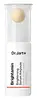 Key Ingredients
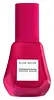
Benefits
Concerns
Ingredients Side-by-side
Ascorbic Acid
Antioxidant






Niacinamide
Smoothing






Hyaluronic Acid
Humectant

Sodium Hyaluronate
Humectant
Sodium Acetylated Hyaluronate
Humectant
Panthenol
Skin Conditioning
Cyanocobalamin
Skin ConditioningAdenosine
Skin Conditioning
Citric Acid
Buffering

CI 19140
Cosmetic ColorantWater
Skin ConditioningMethyl Gluceth-20
Humectant
Polyglycerin-3
Humectant
1,2-Hexanediol
Skin Conditioning
Glycerin
Humectant
Acetyl Hexapeptide-1
Skin Conditioning
Xanthan Gum
EmulsifyingSodium Citrate
BufferingSodium Phytate
Phenoxyethanol
Preservative
Ascorbic Acid, Niacinamide, Hyaluronic Acid, Sodium Hyaluronate, Sodium Acetylated Hyaluronate, Panthenol, Cyanocobalamin, Adenosine, Citric Acid, CI 19140, Water, Methyl Gluceth-20, Polyglycerin-3, 1,2-Hexanediol, Glycerin, Acetyl Hexapeptide-1, Xanthan Gum, Sodium Citrate, Sodium Phytate, Phenoxyethanol
Water
Skin ConditioningPropanediol
Solvent
Glycerin
Humectant
Acacia Senegal Gum
MaskingPullulan
Squalane
Emollient
Copper Tripeptide-1
Skin Conditioning
Sr-Hydrozoan Polypeptide-1
Humectant
Punica Granatum Seed Oil
Emollient

Punica Granatum Fruit Extract
Antioxidant
Hyaluronic Acid
Humectant
Sodium Hyaluronate
Humectant
Ethylhexyl Palmitate
Emollient

Tocopherol
Antioxidant
Lactobacillus/Punica Granatum Fruit Ferment Extract
Antioxidant
Elastin
Skin ConditioningBidens Pilosa Extract
HumectantLinum Usitatissimum Seed Oil
Perfuming
Enteromorpha Compressa Extract
Skin ProtectingEngelhardtia Chrysolepis Leaf Extract
Skin ConditioningOcimum Sanctum Leaf Extract
Skin ConditioningSilybum Marianum Fruit Extract
Skin ConditioningLeuconostoc/Radish Root Ferment Filtrate
Antimicrobial
Gossypium Herbaceum Seed Oil
Skin Conditioning
Tetrasodium Glutamate Diacetate
Trihydroxystearin
Skin Conditioning
1,2-Hexanediol
Skin Conditioning
Dilauryl Citrate
EmollientPolyglyceryl-4 Laurate
Emulsifying
Polyacrylate Crosspolymer-6
Emulsion StabilisingRhizobian Gum
Elaeis Guineensis Oil
Emollient
Polymethylsilsesquioxane

Sorbitan Laurate
Emulsifying
Glucomannan
Skin ConditioningEthylhexylglycerin
Skin ConditioningPhenoxyethanol
Preservative
Potassium Sorbate
Preservative
Citric Acid
Buffering
Sodium Hydroxide
BufferingParfum
Masking

Water, Propanediol, Glycerin, Acacia Senegal Gum, Pullulan, Squalane, Copper Tripeptide-1, Sr-Hydrozoan Polypeptide-1, Punica Granatum Seed Oil, Punica Granatum Fruit Extract, Hyaluronic Acid, Sodium Hyaluronate, Ethylhexyl Palmitate, Tocopherol, Lactobacillus/Punica Granatum Fruit Ferment Extract, Elastin, Bidens Pilosa Extract, Linum Usitatissimum Seed Oil, Enteromorpha Compressa Extract, Engelhardtia Chrysolepis Leaf Extract, Ocimum Sanctum Leaf Extract, Silybum Marianum Fruit Extract, Leuconostoc/Radish Root Ferment Filtrate, Gossypium Herbaceum Seed Oil, Tetrasodium Glutamate Diacetate, Trihydroxystearin, 1,2-Hexanediol, Dilauryl Citrate, Polyglyceryl-4 Laurate, Polyacrylate Crosspolymer-6, Rhizobian Gum, Elaeis Guineensis Oil, Polymethylsilsesquioxane, Sorbitan Laurate, Glucomannan, Ethylhexylglycerin, Phenoxyethanol, Potassium Sorbate, Citric Acid, Sodium Hydroxide, Parfum
Reviews
Ingredients Explained
These ingredients are found in both products.
Ingredients higher up in an ingredient list are typically present in a larger amount.
1,2-Hexanediol is a synthetic liquid and another multi-functional powerhouse.
It is a:
- Humectant, drawing moisture into the skin
- Emollient, helping to soften skin
- Solvent, dispersing and stabilizing formulas
- Preservative booster, enhancing the antimicrobial activity of other preservatives
Citric Acid is an alpha hydroxy acid (AHA) naturally found in citrus fruits like oranges, lemons, and limes.
Like other AHAs, citric acid can exfoliate skin by breaking down the bonds that hold dead skin cells together. This helps reveal smoother and brighter skin underneath.
However, this exfoliating effect only happens at high concentrations (20%) which can be hard to find in cosmetic products.
Due to this, citric acid is usually included in small amounts as a pH adjuster. This helps keep products slightly more acidic and compatible with skin's natural pH.
In skincare formulas, citric acid can:
While it can provide some skin benefits, research shows lactic acid and glycolic acid are generally more effective and less irritating exfoliants.
Most citric acid used in skincare today is made by fermenting sugars (usually from molasses). This synthetic version is identical to the natural citrus form but easier to stabilize and use in formulations.
Read more about some other popular AHA's here:
Learn more about Citric AcidGlycerin (or glycerol) is a compound naturally found in your skin. It's a powerhouse humectant that pulls water into the stratum corneum.
Topically, glycerin does several things at once:
Your skin makes glycerin on its own (mostly from sebaceous oil breakdown) and shuttles it to your outermost layer of skin, or your epidermis, via aquaporin-3.
Aquaporin-3 is a transporter that is essential for normal skin hydration, elasticity, and repair. Interestingly, mice lacking in AQP3 have dry and less elastic skin that can be fully corrected with glycerin.
This ingredient is non-irritating, plays well with almost every ingredient, and works across all skin types. Typical use is anywhere between 3-10% but can go up to 79% in some leave-on products.
Just know very high concentrations (>40%) can feel tacky in low humidity.
Glycerin is the name for this ingredient in American English. British English uses Glycerol/Glycerine.
Learn more about GlycerinHyaluronic acid (HA) is a glycosaminoglycan (basically a long sugar chain) that your skin already makes on its own. In your skin, HA lives in the extracellular matrix and acts as the body's moisture reservoir.
Topically, HA is a humectant that binds water and helps skin look more plump, smooth, and hydrated.
The only catch is that HA isn't a single thing; it actually comes in a wide range of molecular weights (~50 - 2,000+ kDA) and size matters.
Some clinical evidence links low molecular weight versions to improved wrinkle depth, elasticity, anti-inflammatory effects, and barrier repair.
This is why the best HA serums blend the two sizes together so you get the best of both worlds.
The majority of cosmetic HA is produced by bacterial fermentation, typically using Streptococcus or Bacillus strains. Typical use levels in skincare sit around 0.1-2%.
A clinical study using a 0.2% low-molecular weight HA gel showed improvement in facial seborrheic dermatitis with excellent tolerance.
These are some other common types of Hyaluronic Acid:
Learn more about Hyaluronic AcidPhenoxyethanol is a preservative that has germicide, antimicrobial, and aromatic properties. Studies show that phenoxyethanol can prevent microbial growth. By itself, it has a scent that is similar to that of a rose.
It's often used in formulations along with Caprylyl Glycol to preserve the shelf life of products.
Sodium Hyaluronate is the salt form of hyaluronic acid. It is a long sugar chain that is naturally found in your skin, joints, and connective tissue that maintains hydration and elasticity.
In skincare, it works as a humectant. It pulls water from the environment and deeper layers of skin and binds it to the surface.
Interestingly, the size of the molecule affects its behavior:
Some clinical evidence links low molecular weight versions to improved wrinkle depth, elasticity, anti-inflammatory effects, and barrier repair.
Many serums use a blend of both weights so you can get surface hydration plus longer-lasting and deeper effects.
You'll typically see concentrations between 0.1-2% for this ingredient.
Learn more about Sodium HyaluronateWater. It's the most common cosmetic ingredient of all. You'll usually see it at the top of ingredient lists, meaning that it makes up the largest part of the product.
So why is it so popular? Water most often acts as a solvent - this means that it helps dissolve other ingredients into the formulation.
You'll also recognize water as that liquid we all need to stay alive. If you see this, drink a glass of water. Remember to stay hydrated!
Learn more about Water
