

What's inside
What's inside
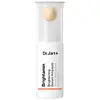 Key Ingredients
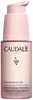
Benefits
Concerns
Ingredients Side-by-side
Ascorbic Acid
Antioxidant








Niacinamide
Smoothing




Hyaluronic Acid
Humectant

Sodium Hyaluronate
Humectant
Sodium Acetylated Hyaluronate
Humectant
Panthenol
Skin Conditioning
Cyanocobalamin
Skin ConditioningAdenosine
Skin Conditioning
Citric Acid
Buffering

CI 19140
Cosmetic ColorantWater
Skin ConditioningMethyl Gluceth-20
Humectant
Polyglycerin-3
Humectant
1,2-Hexanediol
Skin Conditioning
Glycerin
Humectant
Acetyl Hexapeptide-1
Skin Conditioning
Xanthan Gum
EmulsifyingSodium Citrate
BufferingSodium Phytate
Phenoxyethanol
Preservative
Ascorbic Acid, Niacinamide, Hyaluronic Acid, Sodium Hyaluronate, Sodium Acetylated Hyaluronate, Panthenol, Cyanocobalamin, Adenosine, Citric Acid, CI 19140, Water, Methyl Gluceth-20, Polyglycerin-3, 1,2-Hexanediol, Glycerin, Acetyl Hexapeptide-1, Xanthan Gum, Sodium Citrate, Sodium Phytate, Phenoxyethanol
Water
Skin ConditioningButylene Glycol
Humectant
Glycerin
Humectant
Hexyldecanol
Emollient
Hexyldecyl Laurate
EmollientSqualane
Emollient
Tocopheryl Acetate
Antioxidant
C20-22 Alkyl Phosphate
EmulsifyingPalmitoyl Grapevine Shoot Extract
Antioxidant
C20-22 Alcohols
Emulsion StabilisingPotassium Cetyl Phosphate
EmulsifyingPolyacrylate Crosspolymer-6
Emulsion StabilisingHelianthus Annuus Seed Oil
Emollient

Caprylyl Glycol
Emollient
Parfum
Masking

Hydrolyzed Hyaluronic Acid
Humectant
Sodium Dehydroacetate
Preservative
Hyaluronic Acid
Humectant
Adenosine
Skin Conditioning
Sodium Hydroxide
BufferingAcetyl Dipeptide-1 Cetyl Ester
Skin Conditioning
Pentylene Glycol
Skin ConditioningSodium Phytate
Khaya Senegalensis Bark Extract
Skin ProtectingMaltodextrin
Absorbent
Linalool
Perfuming

Limonene
Perfuming
Paeonia Lactiflora Root Extract
Skin ConditioningCoumarin
Perfuming
Nicotiana Benthamiana Hexapeptide-40 Sh-Polypeptide-47
Skin Conditioning
Water, Butylene Glycol, Glycerin, Hexyldecanol, Hexyldecyl Laurate, Squalane, Tocopheryl Acetate, C20-22 Alkyl Phosphate, Palmitoyl Grapevine Shoot Extract, C20-22 Alcohols, Potassium Cetyl Phosphate, Polyacrylate Crosspolymer-6, Helianthus Annuus Seed Oil, Caprylyl Glycol, Parfum, Hydrolyzed Hyaluronic Acid, Sodium Dehydroacetate, Hyaluronic Acid, Adenosine, Sodium Hydroxide, Acetyl Dipeptide-1 Cetyl Ester, Pentylene Glycol, Sodium Phytate, Khaya Senegalensis Bark Extract, Maltodextrin, Linalool, Limonene, Paeonia Lactiflora Root Extract, Coumarin, Nicotiana Benthamiana Hexapeptide-40 Sh-Polypeptide-47
Ingredients Explained
These ingredients are found in both products.
Ingredients higher up in an ingredient list are typically present in a larger amount.
Adenosine is in every living organism. It is one of four components in nucleic acids that helps store our DNA.
Adenosine has many benefits when used. These benefits include hydrating the skin, smoothing skin, and reducing wrinkles. Once applied, adenosine increases collagen production. It also helps with improving firmness and tissue repair.
Studies have found adenosine may also help with wound healing.
In skincare products, Adenosine is usually derived from yeast.
Learn more about AdenosineGlycerin is already naturally found in your skin. It helps moisturize and protect your skin.
A study from 2016 found glycerin to be more effective as a humectant than AHAs and hyaluronic acid.
As a humectant, it helps the skin stay hydrated by pulling moisture to your skin. The low molecular weight of glycerin allows it to pull moisture into the deeper layers of your skin.
Hydrated skin improves your skin barrier; Your skin barrier helps protect against irritants and bacteria.
Glycerin has also been found to have antimicrobial and antiviral properties. Due to these properties, glycerin is often used in wound and burn treatments.
In cosmetics, glycerin is usually derived from plants such as soybean or palm. However, it can also be sourced from animals, such as tallow or animal fat.
This ingredient is organic, colorless, odorless, and non-toxic.
Glycerin is the name for this ingredient in American English. British English uses Glycerol/Glycerine.
Learn more about GlycerinHyaluronic acid is naturally found in healthy skin. It is a humectant, meaning it draws moisture to your skin.
This ingredient helps hydrate, soothe, and protect the skin.
What makes hyaluronic acid so hydrating? It has the capacity to bind or hold large amounts of water.
Fun fact: It is already naturally found in our bodies, such as the fluids of our eyes and our joints.
Studies find this ingredient to have anti-inflammatory and anti-microbial properties. This can help speed up wound-healing.
Hyaluronic acid can be irritating if the molecule has a low-molecular weight, or if the molecules are small.
One study found low-molecular weight hyaluronic acid to be pro-inflammatory, meaning some people may experience irritation. This is because our bodies use hyaluronic acid in the wound-healing process to signal to our bodies, via irritation, that something needs healing.
The same study found high-molecular weight hyaluronic acid to be anti-inflammatory.
These are some other common types of Hyaluronic Acid:
Learn more about Hyaluronic AcidSodium Phytate is the synthetic salt form of phytic acid. Phytic acid is an antioxidant and can be found in plant seeds.
Sodium Phytate is a chelating agent. Chelating agents help prevent metals from binding to water. This helps stabilize the ingredients and the product.
Water. It's the most common cosmetic ingredient of all. You'll usually see it at the top of ingredient lists, meaning that it makes up the largest part of the product.
So why is it so popular? Water most often acts as a solvent - this means that it helps dissolve other ingredients into the formulation.
You'll also recognize water as that liquid we all need to stay alive. If you see this, drink a glass of water. Stay hydrated!
Learn more about Water
