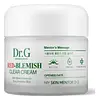
This calming moisturizer is formulated around Niacinamide and Panthenol to calm redness and balance excess oil.
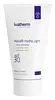
This chemical sunscreen covers the full UV range and blocks ~97% of UVB at SPF 30.


What's inside
What's inside
 Key Ingredients
Benefits
Concerns
No concerns
Ingredients Side-by-side
Water
Skin ConditioningGlycerin
Humectant


Butylene Glycol
Humectant
Cyclopentasiloxane
Emollient
Dimethicone
Emollient
Niacinamide
Smoothing









1,2-Hexanediol
Skin Conditioning
Hydrogenated Polydecene
EmollientPentylene Glycol
Skin Conditioning
Panthenol
Skin Conditioning
Hydroxyethyl Acrylate/Sodium Acryloyldimethyl Taurate Copolymer
Emulsion StabilisingSilica
Abrasive
Acrylates/C10-30 Alkyl Acrylate Crosspolymer
Emulsion StabilisingTromethamine
BufferingDimethiconol
Emollient
Dipotassium Glycyrrhizate
Humectant
Xanthan Gum
EmulsifyingGlyceryl Acrylate/Acrylic Acid Copolymer
HumectantDisodium EDTA
ChelatingBuddleja Davidii Extract
Skin ConditioningThymus Vulgaris Extract
Perfuming
Centella Asiatica Extract
Cleansing
Epigallocatechin Gallate
Antioxidant
Malus Domestica Fruit Extract
Antioxidant
Pyrus Malus Fruit Extract
Skin Conditioning
Water, Glycerin, Butylene Glycol, Cyclopentasiloxane, Dimethicone, Niacinamide, 1,2-Hexanediol, Hydrogenated Polydecene, Pentylene Glycol, Panthenol, Hydroxyethyl Acrylate/Sodium Acryloyldimethyl Taurate Copolymer, Silica, Acrylates/C10-30 Alkyl Acrylate Crosspolymer, Tromethamine, Dimethiconol, Dipotassium Glycyrrhizate, Xanthan Gum, Glyceryl Acrylate/Acrylic Acid Copolymer, Disodium EDTA, Buddleja Davidii Extract, Thymus Vulgaris Extract, Centella Asiatica Extract, Epigallocatechin Gallate, Malus Domestica Fruit Extract, Pyrus Malus Fruit Extract
Water
Skin ConditioningDiisopropyl Sebacate
EmollientEthylhexyl Triazone
UV Absorber
Homosalate
Skin Conditioning
Isohexadecane
EmollientBis-Ethylhexyloxyphenol Methoxyphenyl Triazine
UV Absorber
Butyl Methoxydibenzoylmethane
UV Absorber
Propanediol
Solvent
Diethylamino Hydroxybenzoyl Hexyl Benzoate
UV Filter
Cyclopentasiloxane
Emollient
C12-16 Alcohols
EmollientGlycerin
Humectant
Cyclohexasiloxane
Emollient
Simmondsia Chinensis Seed Oil
Emollient


Glyceryl Stearate Se
Emulsifying


PEG-100 Stearate
Surfactant
Butyl Avocadate
Skin Conditioning
PEG-8
HumectantAmmonium Acryloyldimethyltaurate/Vp Copolymer
Methyl Methacrylate Crosspolymer
Phenoxyethanol
Preservative
Hydrogenated Lecithin
Emulsifying
Palmitic Acid
Emollient
Parfum
Masking

Bisabolol
Antioxidant
Chlorphenesin
Antimicrobial
Paraffinum Liquidum
Emollient
Xanthan Gum
EmulsifyingTocopheryl Acetate
Antioxidant
Disodium EDTA
ChelatingViola Tricolor Extract
EmollientSilica
Abrasive
Sodium Hydroxide
BufferingGlycine Soja Oil
Emollient
Ethylhexylglycerin
Skin ConditioningTocopherol
Antioxidant
Water, Diisopropyl Sebacate, Ethylhexyl Triazone, Homosalate, Isohexadecane, Bis-Ethylhexyloxyphenol Methoxyphenyl Triazine, Butyl Methoxydibenzoylmethane, Propanediol, Diethylamino Hydroxybenzoyl Hexyl Benzoate, Cyclopentasiloxane, C12-16 Alcohols, Glycerin, Cyclohexasiloxane, Simmondsia Chinensis Seed Oil, Glyceryl Stearate Se, PEG-100 Stearate, Butyl Avocadate, PEG-8, Ammonium Acryloyldimethyltaurate/Vp Copolymer, Methyl Methacrylate Crosspolymer, Phenoxyethanol, Hydrogenated Lecithin, Palmitic Acid, Parfum, Bisabolol, Chlorphenesin, Paraffinum Liquidum, Xanthan Gum, Tocopheryl Acetate, Disodium EDTA, Viola Tricolor Extract, Silica, Sodium Hydroxide, Glycine Soja Oil, Ethylhexylglycerin, Tocopherol
Reviews
Ingredients Explained
These ingredients are found in both products.
Ingredients higher up in an ingredient list are typically present in a larger amount.
Cyclopentasiloxane (D5) is a lightweight silicone that mostly acts as an emollient and solvent in cosmetics. Its the reason your products feel silky, fast-spreading, and non-greasy.
Since D5 is volatile, it does its thing and then evaporates off the skin quickly.
The safety profile of this ingredient is reassuring; the US CIR Expert Panel concluded D5 is safe as used in cosmetics and Health Canada concluded that D5 is not harmful to human health or the environment as currently used in cosmetics
There's a study that people mention about D5 in a rat study showing tumors. This study is related to long-term inhalation of high D5 levels.
Regulatory bodies have judged this study to be not applicable in topical skincare since skin absorption of D5 is very low and we're not really inhaling huge amounts of D5.
The only restriction for this ingredient is environmental. The European Chemicals Agency (ECHA) restricted D5 in wash-off cosmetics at or above 0.1% due to their persistence in water.
Learn more about CyclopentasiloxaneDisodium EDTA is a chelating agent. It grabs onto and deactivates metal ions that sneak into your products from water, packaging, or air.
This ingredient mainly works behind the scenes and helps with:
On top of that, this ingredient can counteract the effects of hard water by binding to the minerals in it.
One thing worth knowing is that Disodium EDTA has been shown to be a mild penetration enhancer. It can help other ingredients absorb into skin more effectively which can be a double-edged sword (great for actives, but can also make the active too strong if you have sensitive skin).
Clinical patch testing showed no significant skin irritation at typical use concentrations and minimal dermal absorption.
You'll most likely see this ingredient near the end of an ingredient list. It's typically found in concentrations less than 1%.
Learn more about Disodium EDTAGlycerin (or glycerol) is a compound naturally found in your skin. It's a powerhouse humectant that pulls water into the stratum corneum.
Topically, glycerin does several things at once:
Your skin makes glycerin on its own (mostly from sebaceous oil breakdown) and shuttles it to your outermost layer of skin, or your epidermis, via aquaporin-3.
Aquaporin-3 is a transporter that is essential for normal skin hydration, elasticity, and repair. Interestingly, mice lacking in AQP3 have dry and less elastic skin that can be fully corrected with glycerin.
This ingredient is non-irritating, plays well with almost every ingredient, and works across all skin types. Typical use is anywhere between 3-10% but can go up to 79% in some leave-on products.
Just know very high concentrations (>40%) can feel tacky in low humidity.
Glycerin is the name for this ingredient in American English. British English uses Glycerol/Glycerine.
Learn more about GlycerinSilica, also known as silicon dioxide, is a naturally occurring mineral. It is used as a fine, spherical, and porous powder in cosmetics.
Though it has exfoliant properties, the function of silica varies depending on the product.
The unique structure of silica enhances the spreadability and adds smoothness, making it a great texture enhancer.
It is also used as an active carrier, emulsifier, and mattifier due to its ability to absorb excess oil.
In some products, tiny microneedles called spicules are made from silica or hydrolyzed sponge. When you rub them in, they lightly polish away dead skin layers and enhance the penetration of active ingredients.
Learn more about SilicaWater. It's the most common cosmetic ingredient of all. You'll usually see it at the top of ingredient lists, meaning that it makes up the largest part of the product.
So why is it so popular? Water most often acts as a solvent - this means that it helps dissolve other ingredients into the formulation.
You'll also recognize water as that liquid we all need to stay alive. If you see this, drink a glass of water. Remember to stay hydrated!
Learn more about WaterXanthan gum is used as a stabilizer and thickener within cosmetic products. It helps give products a sticky, thick feeling - preventing them from being too runny.
On the technical side of things, xanthan gum is a polysaccharide - a combination consisting of multiple sugar molecules bonded together.
Xanthan gum is a pretty common and great ingredient. It is a natural, non-toxic, non-irritating ingredient that is also commonly used in food products.
Learn more about Xanthan Gum

