This betaine salicylate gel cleanser is formulated around Betaine Salicylate to clear breakouts and unclog pores.

What's inside
What's inside
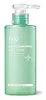 Key Ingredients
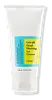
No key ingredients
Benefits
Concerns
Ingredients Side-by-side
Water
Skin ConditioningPotassium Laureth Phosphate
EmulsifyingGlycerin
Humectant


Potassium Cocoyl Glutamate
Surfactant
Acrylates/C10-30 Alkyl Acrylate Crosspolymer
Emulsion StabilisingButylene Glycol
Humectant
Aspartic Acid
Masking
Sodium Cocoyl Glutamate
Cleansing
Lauryl Hydroxysultaine
CleansingCoco-Glucoside
Cleansing
Caprylyl Glycol
Emollient
Glyceryl Caprylate
EmollientPolyglyceryl-10 Laurate
Skin Conditioning

Citrus Aurantium Dulcis Peel Oil
Masking

Polyglyceryl-10 Myristate
Skin Conditioning
Lavandula Angustifolia Oil
Masking


Sodium Cocoyl Isethionate
Cleansing
Disodium EDTA
Chelating1,2-Hexanediol
Skin Conditioning
Quillaja Saponaria Bark Extract
CleansingBifida Ferment Lysate
Skin Conditioning

Lactobacillus
Skin ConditioningLeuconostoc/Radish Root Ferment Filtrate
Antimicrobial
Maltodextrin
Absorbent
Moringa Oleifera Seed Extract
Skin Conditioning
Olea Europaea Oil Unsaponifiables
Skin Conditioning
Glycine Soja Oil Unsaponifiables
Emollient
Triticum Vulgare Germ Oil Unsaponifiables
Emollient
Pollen Extract
EmollientTheanine
EmollientMilk Lipids
Skin Conditioning
Glutathione


Water, Potassium Laureth Phosphate, Glycerin, Potassium Cocoyl Glutamate, Acrylates/C10-30 Alkyl Acrylate Crosspolymer, Butylene Glycol, Aspartic Acid, Sodium Cocoyl Glutamate, Lauryl Hydroxysultaine, Coco-Glucoside, Caprylyl Glycol, Glyceryl Caprylate, Polyglyceryl-10 Laurate, Citrus Aurantium Dulcis Peel Oil, Polyglyceryl-10 Myristate, Lavandula Angustifolia Oil, Sodium Cocoyl Isethionate, Disodium EDTA, 1,2-Hexanediol, Quillaja Saponaria Bark Extract, Bifida Ferment Lysate, Lactobacillus, Leuconostoc/Radish Root Ferment Filtrate, Maltodextrin, Moringa Oleifera Seed Extract, Olea Europaea Oil Unsaponifiables, Glycine Soja Oil Unsaponifiables, Triticum Vulgare Germ Oil Unsaponifiables, Pollen Extract, Theanine, Milk Lipids, Glutathione
Water
Skin ConditioningCocamidopropyl Betaine
Cleansing
Sodium Lauroyl Methyl Isethionate
CleansingSodium Chloride
MaskingPolysorbate 20
Emulsifying
Styrax Japonicus Branch/Fruit/Leaf Extract
Skin ConditioningButylene Glycol
Humectant
Saccharomyces Ferment
Skin Conditioning
Cryptomeria Japonica Leaf Extract
HumectantNelumbo Nucifera Leaf Extract
Skin ConditioningPinus Palustris Leaf Extract
TonicUlmus Davidiana Root Extract
Skin Conditioning
Oenothera Biennis Flower Extract
AstringentPueraria Lobata Root Extract
HumectantMelaleuca Alternifolia Leaf Oil
Antioxidant


Allantoin
Skin Conditioning
Caprylyl Glycol
Emollient
Ethylhexylglycerin
Skin ConditioningBetaine Salicylate
Antimicrobial

Citric Acid
Buffering
Ethyl Hexanediol
Solvent1,2-Hexanediol
Skin Conditioning
Trisodium Ethylenediamine Disuccinate
ChelatingSodium Benzoate
Masking
Disodium EDTA
ChelatingWater, Cocamidopropyl Betaine, Sodium Lauroyl Methyl Isethionate, Sodium Chloride, Polysorbate 20, Styrax Japonicus Branch/Fruit/Leaf Extract, Butylene Glycol, Saccharomyces Ferment, Cryptomeria Japonica Leaf Extract, Nelumbo Nucifera Leaf Extract, Pinus Palustris Leaf Extract, Ulmus Davidiana Root Extract, Oenothera Biennis Flower Extract, Pueraria Lobata Root Extract, Melaleuca Alternifolia Leaf Oil, Allantoin, Caprylyl Glycol, Ethylhexylglycerin, Betaine Salicylate, Citric Acid, Ethyl Hexanediol, 1,2-Hexanediol, Trisodium Ethylenediamine Disuccinate, Sodium Benzoate, Disodium EDTA
Reviews
Ingredients Explained
These ingredients are found in both products.
Ingredients higher up in an ingredient list are typically present in a larger amount.
1,2-Hexanediol is a synthetic liquid and another multi-functional powerhouse.
It is a:
- Humectant, drawing moisture into the skin
- Emollient, helping to soften skin
- Solvent, dispersing and stabilizing formulas
- Preservative booster, enhancing the antimicrobial activity of other preservatives
Butylene Glycol (or BG) is used within cosmetic products for a few different reasons:
Overall, Butylene Glycol is a safe and well-rounded ingredient that works well with other ingredients.
Though this ingredient works well with most skin types, some people with sensitive skin may experience a reaction such as allergic rashes, closed comedones, or itchiness.
Learn more about Butylene GlycolCaprylyl Glycol is a humectant, skin conditioner, emollient, and preservative booster derived from either caprylic acid or synthetically created.
Typical use levels vary from 0.3-1% as a preservative booster and go up to 2% to condition skin.
Because it is not a free-fatty acid, this ingredient is fungal acne safe (there's nothing for Malassezia to feed on).
Learn more about Caprylyl GlycolDisodium EDTA is a chelating agent. It grabs onto and deactivates metal ions that sneak into your products from water, packaging, or air.
This ingredient mainly works behind the scenes and helps with:
On top of that, this ingredient can counteract the effects of hard water by binding to the minerals in it.
One thing worth knowing is that Disodium EDTA has been shown to be a mild penetration enhancer. It can help other ingredients absorb into skin more effectively which can be a double-edged sword (great for actives, but can also make the active too strong if you have sensitive skin).
Clinical patch testing showed no significant skin irritation at typical use concentrations and minimal dermal absorption.
You'll most likely see this ingredient near the end of an ingredient list. It's typically found in concentrations less than 1%.
Learn more about Disodium EDTAWater. It's the most common cosmetic ingredient of all. You'll usually see it at the top of ingredient lists, meaning that it makes up the largest part of the product.
So why is it so popular? Water most often acts as a solvent - this means that it helps dissolve other ingredients into the formulation.
You'll also recognize water as that liquid we all need to stay alive. If you see this, drink a glass of water. Remember to stay hydrated!
Learn more about Water

