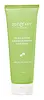
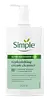
Dot & Key Skincare Cica & 2% Salicylic Face Wash Versus Simple Skincare Replenishing Face Cream Cleanser
This salicylic acid gel cleanser is formulated around Salicylic Acid to clear breakouts and unclog pores.
This mild cream cleanser is made to cleanse without leaving your skin tight or dry.


What's inside
What's inside
 Key Ingredients
Benefits
Concerns
Ingredients Side-by-side
Aloe Barbadensis Leaf Juice
Skin Conditioning


Cocamidopropyl Betaine
Cleansing



Decyl Glucoside
Cleansing
Disodium Cocoyl Glutamate
Cleansing
Butylene Glycol
Humectant
Salicylic Acid
Masking







Acrylates/C10-30 Alkyl Acrylate Crosspolymer
Emulsion StabilisingCentella Asiatica Extract
Cleansing

Camellia Sinensis Leaf Extract
Antimicrobial
Melaleuca Alternifolia Leaf Oil
Antioxidant


Zinc PCA
Humectant
Lactobacillus/Pear Juice Ferment Filtrate
Skin ConditioningPhellodendron Amurense Bark Extract
Skin ConditioningSalix Alba Bark Extract
Astringent
Rehmannia Chinensis Root Extract
Skin ConditioningMelia Azadirachta Leaf Extract
Skin ConditioningScutellaria Baicalensis Root Extract
Astringent
Houttuynia Cordata Extract
Skin Conditioning
Glycine Soja Seed Extract
Skin Conditioning
Mentha Piperita Oil
Masking
Sodium Hydroxide
BufferingPEG-40 Hydrogenated Castor Oil
Emulsifying
Camphor
Masking
Benzophenone-4
UV Absorber
Panthenol
Skin Conditioning
Xanthan Gum
EmulsifyingDisodium EDTA
ChelatingBenzyl Alcohol
Perfuming

Ethylhexylglycerin
Skin ConditioningTocopherol
Antioxidant
CI 19140
Cosmetic ColorantCI 42090
Cosmetic ColorantAloe Barbadensis Leaf Juice, Cocamidopropyl Betaine, Decyl Glucoside, Disodium Cocoyl Glutamate, Butylene Glycol, Salicylic Acid, Acrylates/C10-30 Alkyl Acrylate Crosspolymer, Centella Asiatica Extract, Camellia Sinensis Leaf Extract, Melaleuca Alternifolia Leaf Oil, Zinc PCA, Lactobacillus/Pear Juice Ferment Filtrate, Phellodendron Amurense Bark Extract, Salix Alba Bark Extract, Rehmannia Chinensis Root Extract, Melia Azadirachta Leaf Extract, Scutellaria Baicalensis Root Extract, Houttuynia Cordata Extract, Glycine Soja Seed Extract, Mentha Piperita Oil, Sodium Hydroxide, PEG-40 Hydrogenated Castor Oil, Camphor, Benzophenone-4, Panthenol, Xanthan Gum, Disodium EDTA, Benzyl Alcohol, Ethylhexylglycerin, Tocopherol, CI 19140, CI 42090
Water
Skin ConditioningGlycerin
Humectant
Cocamidopropyl Betaine
Cleansing
Sodium Methyl Lauroyl Taurate
CleansingGlycol Distearate
Emollient
Sodium Chloride
MaskingCocamide Mea
Emulsifying
Sclerotium Gum
Emulsion StabilisingSodium Benzoate
Masking
Guar Hydroxypropyltrimonium Chloride
Skin ConditioningCitric Acid
Buffering
Lauric Acid
Cleansing

Sodium Methyltaurate
Skin ConditioningStearic Acid
Cleansing
Cetrimonium Chloride
Antimicrobial
Panthenol
Skin Conditioning
Sodium Hydroxide
BufferingSodium Hyaluronate
Humectant
Sodium Cocoyl Alaninate
Surfactant
Pantolactone
Humectant
Water, Glycerin, Cocamidopropyl Betaine, Sodium Methyl Lauroyl Taurate, Glycol Distearate, Sodium Chloride, Cocamide Mea, Sclerotium Gum, Sodium Benzoate, Guar Hydroxypropyltrimonium Chloride, Citric Acid, Lauric Acid, Sodium Methyltaurate, Stearic Acid, Cetrimonium Chloride, Panthenol, Sodium Hydroxide, Sodium Hyaluronate, Sodium Cocoyl Alaninate, Pantolactone
Ingredients Explained
These ingredients are found in both products.
Ingredients higher up in an ingredient list are typically present in a larger amount.
Cocamidopropyl Betaine is a fatty acid created by mixing similar compounds in coconut oil and dimethylaminopropylamine, a compound with two amino groups.
This ingredient is a surfactant and cleanser. It helps gather the dirt, pollutants, and other impurities in your skin to be washed away. It also helps thicken a product and make the texture more creamy.
Being created from coconut oil means Cocamidopropyl Betaine is hydrating for the skin.
While Cocamidopropyl Betaine was believed to be an allergen, a study from 2012 disproved this. It found two compounds in unpure Cocamidopropyl Betaine to be the irritants: aminoamide and 3-dimethylaminopropylamine. High-grade and pure Cocamidopropyl Betaine did not induce allergic reactions during this study.
Learn more about Cocamidopropyl BetainePanthenol is a common ingredient that helps hydrate and soothe the skin. It is found naturally in our skin and hair.
There are two forms of panthenol: D and L.
D-panthenol is also known as dexpanthenol. Most cosmetics use dexpanthenol or a mixture of D and L-panthenol.
Panthenol is famous due to its ability to go deeper into the skin's layers. Using this ingredient has numerous pros (and no cons):
Like hyaluronic acid, panthenol is a humectant. Humectants are able to bind and hold large amounts of water to keep skin hydrated.
This ingredient works well for wound healing. It works by increasing tissue in the wound and helps close open wounds.
Once oxidized, panthenol converts to pantothenic acid. Panthothenic acid is found in all living cells.
This ingredient is also referred to as pro-vitamin B5.
Learn more about PanthenolSodium Hydroxide is also known as lye or caustic soda. It is used to adjust the pH of products; many ingredients require a specific pH to be effective.
In small amounts, sodium hydroxide is considered safe to use. However, large amounts may cause chemical burns due to its high alkaline.
Your skin has a natural pH and acid mantle. This acid mantle helps prevent harmful bacteria from breaking through. The acid mantle also helps keep your skin hydrated.
"Alkaline" refers to a high pH level. A low pH level would be considered acidic.
Learn more about Sodium Hydroxide

