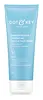
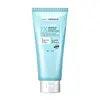
Dot & Key Skincare Barrier Repair Gentle Hydrating Face Wash Versus Bioaqua 7X Ceramide Skin Barrier Repair Moisturize Cleanser
This gel cleanser uses mild cleansing ingredients, but contains alcohol that may feel drying for some.
This mild cream cleanser is made to cleanse while respecting your skin barrier.


What's inside
What's inside
 Key Ingredients
Benefits
Concerns
Ingredients Side-by-side
Water
Skin ConditioningCocamidopropyl Betaine
Cleansing



Glycerin
Humectant


Decyl Glucoside
Cleansing
Disodium Cocoyl Glutamate
Cleansing
Triethanolamine
BufferingPanthenol
Skin Conditioning

Laminaria Digitata Extract
Skin Protecting
Cetyl-Pg Hydroxyethyl Palmitamide
Skin ConditioningCeramide EOP
Skin Conditioning

Ceramide Ns
Skin Conditioning
Ceramide NP
Skin Conditioning
Ceramide As
Skin Conditioning
Ceramide AP
Skin Conditioning
Sodium Hyaluronate
Humectant
Oryza Sativa Bran Water
Masking
Lactobacillus
Skin ConditioningMaltodextrin
Absorbent
Cocos Nucifera Oil
Masking


Simmondsia Chinensis Seed Oil
Emollient
PEG-40 Hydrogenated Castor Oil
Emulsifying
Citric Acid
Buffering

Tocopheryl Acetate
Antioxidant

Acrylates/C10-30 Alkyl Acrylate Crosspolymer
Emulsion StabilisingXanthan Gum
EmulsifyingDisodium EDTA
ChelatingBenzyl Alcohol
Perfuming



Ethylhexylglycerin
Skin ConditioningTocopherol
Antioxidant
Water, Cocamidopropyl Betaine, Glycerin, Decyl Glucoside, Disodium Cocoyl Glutamate, Triethanolamine, Panthenol, Laminaria Digitata Extract, Cetyl-Pg Hydroxyethyl Palmitamide, Ceramide EOP, Ceramide Ns, Ceramide NP, Ceramide As, Ceramide AP, Sodium Hyaluronate, Oryza Sativa Bran Water, Lactobacillus, Maltodextrin, Cocos Nucifera Oil, Simmondsia Chinensis Seed Oil, PEG-40 Hydrogenated Castor Oil, Citric Acid, Tocopheryl Acetate, Acrylates/C10-30 Alkyl Acrylate Crosspolymer, Xanthan Gum, Disodium EDTA, Benzyl Alcohol, Ethylhexylglycerin, Tocopherol
Water
Skin ConditioningSodium Lauroyl Isethionate
CleansingCocamidopropyl Betaine
Cleansing
Sodium Hyaluronate
Humectant
Glycol Distearate
Emollient
Acrylates Copolymer
Niacinamide
Smoothing




Sodium Chloride
MaskingMaltooligosyl Glucoside
Skin ConditioningHydrogenated Starch Hydrolysate
HumectantPEG-120 Methyl Glucose Dioleate
Emulsifying
Ceramide As
Skin Conditioning
Ceramide AP
Skin Conditioning
Ceramide Ng
Skin Conditioning
Ceramide Eos
Skin Conditioning
Ceramide EOP
Skin Conditioning
3-O-Ethyl Ascorbic Acid
Skin Conditioning
Disodium EDTA
ChelatingHydroxyacetophenone
Antioxidant
Caprylhydroxamic Acid
ChelatingCentella Asiatica Leaf Extract
Skin Conditioning
Citrus Reticulata Fruit Extract
Skin ProtectingTriethanolamine
BufferingCitrus Medica Limonum Peel Extract
EmollientWater, Sodium Lauroyl Isethionate, Cocamidopropyl Betaine, Sodium Hyaluronate, Glycol Distearate, Acrylates Copolymer, Niacinamide, Sodium Chloride, Maltooligosyl Glucoside, Hydrogenated Starch Hydrolysate, PEG-120 Methyl Glucose Dioleate, Ceramide As, Ceramide AP, Ceramide Ng, Ceramide Eos, Ceramide EOP, 3-O-Ethyl Ascorbic Acid, Disodium EDTA, Hydroxyacetophenone, Caprylhydroxamic Acid, Centella Asiatica Leaf Extract, Citrus Reticulata Fruit Extract, Triethanolamine, Citrus Medica Limonum Peel Extract
Reviews
Ingredients Explained
These ingredients are found in both products.
Ingredients higher up in an ingredient list are typically present in a larger amount.
Ceramide AP is is a skin-identical lipid that mimics what your skin already makes naturally. Ceramides help maintain epidermal integrity and barrier function.
You'll often see this ingredient paired with other ceramides (like ceramide NP), cholesterol, or fatty acids because this combination best mimics the natural lipid mix your skin already has.
The skin's ability to produce ceramides gets disrupted in skin conditions like eczema. This in turn weakens the skin barrier and applying ceramides topically has been shown to replenish what's been lost to restore barrier function.
Most of the studies with Ceramide AP test it as part of a multi-ceramide complex; studies reinforce ceramide AP's role in rebalancing ceramides in skin and improving skin hydration.
Learn more about Ceramide APCeramide AS is formally known as Ceramides 4 and 5.
Ceramides are intercellular lipids naturally found in our skin that bonds dead skin cells together to create a barrier. They are known for their ability to hold water and thus are a great ingredient for dry skin.
Ceramide EOP is formally known as Ceramide 1.
It is naturally found in skin and part of the intercellular "mortar" holding everything together in your outermost layer.
EOP stands for a linked Ester fatty acid, a linked Omega hydroxy fatty acid, and the Phytosphingosine base.
What makes Ceramide EOP special is its ultra-long fatty acid chain; this unique structure allows it to bridge the lipid layers in your skin barrier to prevent water loss (something no other ceramide can do).
Low levels of Ceramide EOP have been found in people with eczema and psoriasis.
Using it together with other ceramides, cholesterol, and linoleic acid have been shown to meaningfully improve hydration and reduce water loss.
In one clinical study, a regimen using Ceramide EOP, NP, and AP led to significant symptom improvements in patients with eczema, psoriasis, and dry skin in just 4 weeks.
You'll usually see concentrations between 0.1-0.5% in formulations. Overall, this is a well-tolerated and safe ingredient for cosmetic use.
Learn more about Ceramide EOPCocamidopropyl Betaine is a fatty acid created by mixing similar compounds in coconut oil and dimethylaminopropylamine, a compound with two amino groups.
This ingredient is a surfactant and cleanser. It helps gather the dirt, pollutants, and other impurities in your skin to be washed away. It also helps thicken a product and make the texture more creamy.
Being created from coconut oil means Cocamidopropyl Betaine is hydrating for the skin.
While Cocamidopropyl Betaine was believed to be an allergen, a study from 2012 disproved this. It found two compounds in unpure Cocamidopropyl Betaine to be the irritants: aminoamide and 3-dimethylaminopropylamine. High-grade and pure Cocamidopropyl Betaine did not induce allergic reactions during this study.
Learn more about Cocamidopropyl BetaineDisodium EDTA is a chelating agent. It grabs onto and deactivates metal ions that sneak into your products from water, packaging, or air.
This ingredient mainly works behind the scenes and helps with:
On top of that, this ingredient can counteract the effects of hard water by binding to the minerals in it.
One thing worth knowing is that Disodium EDTA has been shown to be a mild penetration enhancer. It can help other ingredients absorb into skin more effectively which can be a double-edged sword (great for actives, but can also make the active too strong if you have sensitive skin).
Clinical patch testing showed no significant skin irritation at typical use concentrations and minimal dermal absorption.
You'll most likely see this ingredient near the end of an ingredient list. It's typically found in concentrations less than 1%.
Learn more about Disodium EDTASodium Hyaluronate is the salt form of hyaluronic acid. It is a long sugar chain that is naturally found in your skin, joints, and connective tissue that maintains hydration and elasticity.
In skincare, it works as a humectant. It pulls water from the environment and deeper layers of skin and binds it to the surface.
Interestingly, the size of the molecule affects its behavior:
Some clinical evidence links low molecular weight versions to improved wrinkle depth, elasticity, anti-inflammatory effects, and barrier repair.
Many serums use a blend of both weights so you can get surface hydration plus longer-lasting and deeper effects.
You'll typically see concentrations between 0.1-2% for this ingredient.
Learn more about Sodium HyaluronateTriethanolamine (TEA) is an emulsifier and pH adjuster. It is created using ethylene oxide and ammonia. This gives Triethanolamine a nitrogen core and a similar scent to ammonia.
As an emulsifier, it prevents ingredients from separating and enhances texture by adding volume to a product.
PH adjusters are common in cosmetic products. The pH of a product can affect the effectiveness of other ingredients. A product with a high pH may also irritate the skin.
If you are looking for the tea leaf ingredient, click here.
Learn more about TriethanolamineWater. It's the most common cosmetic ingredient of all. You'll usually see it at the top of ingredient lists, meaning that it makes up the largest part of the product.
So why is it so popular? Water most often acts as a solvent - this means that it helps dissolve other ingredients into the formulation.
You'll also recognize water as that liquid we all need to stay alive. If you see this, drink a glass of water. Remember to stay hydrated!
Learn more about Water

