Dot & Key Skincare 10% Vitamin C+E & 5% Niacinamide Face Serum Versus Project Lip Plump Fix Face Serum
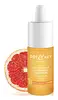
This brightening serum is formulated around 3-O-Ethyl Ascorbic Acid and Niacinamide to brighten dull-looking skin and fade the look of dark spots.
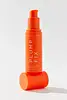
This anti-aging serum is formulated around Tremella Fuciformis Extract and Anemarrhena Asphodeloides Root Extract to soften the look of wrinkles and hydrate skin.


What's inside
What's inside
 Key Ingredients
Benefits
Concerns
Ingredients Side-by-side
Water
Skin Conditioning3-O-Ethyl Ascorbic Acid
Skin Conditioning





Niacinamide
Smoothing






Glycerin
Humectant
Ethoxydiglycol
HumectantPropanediol
Solvent
Butylene Glycol
Humectant
Ethylhexylglycerin
Skin ConditioningPhenoxyethanol
Preservative
Tocopheryl Acetate
Antioxidant

Ferulic Acid
Antimicrobial
Citric Acid
Buffering

Xanthan Gum
EmulsifyingHydroxyethylcellulose
Emulsion StabilisingDisodium EDTA
Sodium Gluconate
Skin ConditioningAllantoin
Skin Conditioning
Sodium Hyaluronate
Humectant
Alpha-Arbutin
Antioxidant
Laminaria Digitata Extract
Skin Protecting

Cetyl-Pg Hydroxyethyl Palmitamide
Skin ConditioningCeramide AP
Skin Conditioning
Citrus Aurantium Dulcis Fruit Extract
MaskingTerminalia Ferdinandiana Fruit Extract
Antioxidant
Cucurbita Pepo Fruit Extract
Skin Conditioning
Water, 3-O-Ethyl Ascorbic Acid, Niacinamide, Glycerin, Ethoxydiglycol, Propanediol, Butylene Glycol, Ethylhexylglycerin, Phenoxyethanol, Tocopheryl Acetate, Ferulic Acid, Citric Acid, Xanthan Gum, Hydroxyethylcellulose, Disodium EDTA, Sodium Gluconate, Allantoin, Sodium Hyaluronate, Alpha-Arbutin, Laminaria Digitata Extract, Cetyl-Pg Hydroxyethyl Palmitamide, Ceramide AP, Citrus Aurantium Dulcis Fruit Extract, Terminalia Ferdinandiana Fruit Extract, Cucurbita Pepo Fruit Extract
Water
Skin ConditioningButylene Glycol
Humectant
Glycerin
Humectant
Propanediol
Solvent
Phenyl Trimethicone
Skin Conditioning
Pentaerythrityl Tetraisostearate
Emollient
1,2-Hexanediol
Skin Conditioning
Helianthus Annuus Seed Oil
Emollient
Tocopheryl Acetate
Antioxidant
Ammonium Acryloyldimethyltaurate/Vp Copolymer
Ethylhexylglycerin
Skin ConditioningAcrylates/C10-30 Alkyl Acrylate Crosspolymer
Emulsion StabilisingTromethamine
BufferingHydrogenated Polyisobutene
EmollientSodium Hyaluronate
Humectant
Panax Ginseng Root Extract
Emollient
Tremella Fuciformis Extract
Humectant
Carbomer
Emulsion StabilisingEthyl Hexanediol
SolventPolysorbate 20
Emulsifying
Anemarrhena Asphodeloides Root Extract
Skin Conditioning
Palmitoyl Tripeptide-1
Skin Conditioning
Palmitoyl Tetrapeptide-7
Skin Conditioning
Tocopherol
Antioxidant
Disodium EDTA
Water, Butylene Glycol, Glycerin, Propanediol, Phenyl Trimethicone, Pentaerythrityl Tetraisostearate, 1,2-Hexanediol, Helianthus Annuus Seed Oil, Tocopheryl Acetate, Ammonium Acryloyldimethyltaurate/Vp Copolymer, Ethylhexylglycerin, Acrylates/C10-30 Alkyl Acrylate Crosspolymer, Tromethamine, Hydrogenated Polyisobutene, Sodium Hyaluronate, Panax Ginseng Root Extract, Tremella Fuciformis Extract, Carbomer, Ethyl Hexanediol, Polysorbate 20, Anemarrhena Asphodeloides Root Extract, Palmitoyl Tripeptide-1, Palmitoyl Tetrapeptide-7, Tocopherol, Disodium EDTA
Ingredients Explained
These ingredients are found in both products.
Ingredients higher up in an ingredient list are typically present in a larger amount.
Butylene Glycol (or BG) is used within cosmetic products for a few different reasons:
Overall, Butylene Glycol is a safe and well-rounded ingredient that works well with other ingredients.
Though this ingredient works well with most skin types, some people with sensitive skin may experience a reaction such as allergic rashes, closed comedones, or itchiness.
Learn more about Butylene GlycolDisodium EDTA is a chelating agent. It grabs onto and deactivates metal ions that sneak into your products from water, packaging, or air.
This ingredient mainly works behind the scenes and helps with:
On top of that, this ingredient can counteract the effects of hard water by binding to the minerals in it.
One thing worth knowing is that Disodium EDTA has been shown to be a mild penetration enhancer. It can help other ingredients absorb into skin more effectively which can be a double-edged sword (great for actives, but can also make the active too strong if you have sensitive skin).
Clinical patch testing showed no significant skin irritation at typical use concentrations and minimal dermal absorption.
You'll most likely see this ingredient near the end of an ingredient list. It's typically found in concentrations less than 1%.
Learn more about Disodium EDTAEthylhexylglycerin is created from glycerin. It is a multitasker ingredient that:
The CIR Expert Panel found minimal skin absorption or sensitization of any kind in a safety assessment. Though this ingredient is considered well-tolerated, a small number of cases of allergic dermatitis have been published since 2002. Just be sure to patch test if you are unsure.
Industry-reported use ranges from 8% in rinse-off products and 2% in leave-on formulations.
Learn more about EthylhexylglycerinGlycerin (or glycerol) is a compound naturally found in your skin. It's a powerhouse humectant that pulls water into the stratum corneum.
Topically, glycerin does several things at once:
Your skin makes glycerin on its own (mostly from sebaceous oil breakdown) and shuttles it to your outermost layer of skin, or your epidermis, via aquaporin-3.
Aquaporin-3 is a transporter that is essential for normal skin hydration, elasticity, and repair. Interestingly, mice lacking in AQP3 have dry and less elastic skin that can be fully corrected with glycerin.
This ingredient is non-irritating, plays well with almost every ingredient, and works across all skin types. Typical use is anywhere between 3-10% but can go up to 79% in some leave-on products.
Just know very high concentrations (>40%) can feel tacky in low humidity.
Glycerin is the name for this ingredient in American English. British English uses Glycerol/Glycerine.
Learn more about GlycerinPropanediol is an all-star ingredient. It softens, hydrates, and smooths the skin.
It’s often used to:
Propanediol is not likely to cause sensitivity and considered safe to use. It is derived from corn or petroleum with a clear color and no scent.
Learn more about PropanediolSodium Hyaluronate is the salt form of hyaluronic acid. It is a long sugar chain that is naturally found in your skin, joints, and connective tissue that maintains hydration and elasticity.
In skincare, it works as a humectant. It pulls water from the environment and deeper layers of skin and binds it to the surface.
Interestingly, the size of the molecule affects its behavior:
Some clinical evidence links low molecular weight versions to improved wrinkle depth, elasticity, anti-inflammatory effects, and barrier repair.
Many serums use a blend of both weights so you can get surface hydration plus longer-lasting and deeper effects.
You'll typically see concentrations between 0.1-2% for this ingredient.
Learn more about Sodium HyaluronateTocopheryl Acetate is a stable, shelf-friendly form of vitamin E.
Formulators love it because plain vitamin E oxidizes quickly once it hits air. This acetate version stays stable and resists going off, helping to extend a product's shelf life.
It's actually inactive on its own and works like a slow-release "storage" form; the enzymes in your skin called esterases gradually convert it into active vitamin E over time.
One in vivo study showed 5% of the acetate in the living layer of the epidermis converted to vitamin E after 5 days of application. This study also found the skin gained protection against UV damage even though the conversion was slow and small.
Once converted, vitamin E acts as a skin's main fat-soluble antioxidant that fights free radicals to protect skin from damage.
Topical vitamin E generally boosts the skin's photoprotection, and it reduced UV-damage in animal models.
This ingredient has some brightening potential but it's more of a prevention ingredient than spot-fader. Cell studies show it can slow down melanin production but it's worth noting that it's not the most powerful brightener out there.
Overall, it has a pretty solid safety profile and has been found to be non-irritating and non-comedogenic. Allergic reactions may happen but stay rare due to how widely the ingredient gets used.
The concentration will vary depending on the formula; industry data shows 0.1% in baby lotions, 3% in lipsticks, and 5% in foot powders. You can also find this ingredient at 100% in a pure vitamin E oil.
Most leave-on skincare keeps it at the lower end, often between 0.5-1%.
Learn more about Tocopheryl AcetateWater. It's the most common cosmetic ingredient of all. You'll usually see it at the top of ingredient lists, meaning that it makes up the largest part of the product.
So why is it so popular? Water most often acts as a solvent - this means that it helps dissolve other ingredients into the formulation.
You'll also recognize water as that liquid we all need to stay alive. If you see this, drink a glass of water. Remember to stay hydrated!
Learn more about Water

