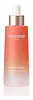
This calming essence is formulated around Panax Ginseng Root Water to calm redness.
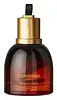
This hydrating oil is formulated around Simmondsia Chinensis Seed Oil and Squalane to hydrate skin and strengthen the skin barrier.

What's inside
What's inside
 Key Ingredients
Benefits
Concerns
Ingredients Side-by-side
Panax Ginseng Root Water
Masking

Water
Skin ConditioningGlycerin
Humectant


Caprylic/Capric Triglyceride
Masking
1,2-Hexanediol
Skin Conditioning
Panax Ginseng Root Oil
Skin Conditioning
Panthenol
Skin Conditioning
Panax Ginseng Root Extract
Emollient
Poncirus Trifoliata Fruit Extract
Skin ConditioningBiosaccharide Gum-1
Humectant
Sodium Hyaluronate
Humectant

Ceramide NP
Skin Conditioning
Ginsenosides
Skin ConditioningPhytosphingosine
Skin Conditioning
Glyceryl Caprylate
EmollientCandida Bombicola/Glucose/Methyl Rapeseedate Ferment
AntimicrobialHelianthus Annuus Seed Oil
Emollient

2,3-Butanediol
HumectantButylene Glycol
Humectant
P-Anisic Acid
MaskingDisodium EDTA
ChelatingSodium Levulinate
Skin ConditioningCarbomer
Emulsion StabilisingCastor Oil/Ipdi Copolymer
Tromethamine
BufferingXanthan Gum
EmulsifyingCaprylyl Glycol
Emollient
Ethylhexylglycerin
Skin ConditioningAcrylates/C10-30 Alkyl Acrylate Crosspolymer
Emulsion StabilisingParfum
Masking



Alpha-Isomethyl Ionone
Perfuming
Benzyl Salicylate
Perfuming
Citronellol
Perfuming
Hexyl Cinnamal
Perfuming
Hydroxycitronellal
Perfuming
Linalool
Perfuming
Panax Ginseng Root Water, Water, Glycerin, Caprylic/Capric Triglyceride, 1,2-Hexanediol, Panax Ginseng Root Oil, Panthenol, Panax Ginseng Root Extract, Poncirus Trifoliata Fruit Extract, Biosaccharide Gum-1, Sodium Hyaluronate, Ceramide NP, Ginsenosides, Phytosphingosine, Glyceryl Caprylate, Candida Bombicola/Glucose/Methyl Rapeseedate Ferment, Helianthus Annuus Seed Oil, 2,3-Butanediol, Butylene Glycol, P-Anisic Acid, Disodium EDTA, Sodium Levulinate, Carbomer, Castor Oil/Ipdi Copolymer, Tromethamine, Xanthan Gum, Caprylyl Glycol, Ethylhexylglycerin, Acrylates/C10-30 Alkyl Acrylate Crosspolymer, Parfum, Alpha-Isomethyl Ionone, Benzyl Salicylate, Citronellol, Hexyl Cinnamal, Hydroxycitronellal, Linalool
Panax Ginseng Root Oil
Skin Conditioning
Limnanthes Alba Seed Oil
Skin Conditioning
Simmondsia Chinensis Seed Oil
Emollient
Prunus Amygdalus Dulcis Oil
Skin Conditioning
Squalane
Emollient
Coco-Caprylate/Caprate
Emollient
Caprylic/Capric Triglyceride
Masking
Prunus Domestica Seed Oil
Skin Conditioning
Tocopherol
Antioxidant



Hydrogenated Olive Oil Unsaponifiables
Emollient
Glyceryl Caprylate
EmollientCaprylyl Glycol
Emollient
Parfum
Masking
Alpha-Isomethyl Ionone
Perfuming
Benzyl Salicylate
Perfuming
Cinnamal
Perfuming
Cinnamyl Alcohol
Perfuming
Citronellol
Perfuming
Coumarin
Perfuming
Limonene
Perfuming
Eugenol
Perfuming
Geraniol
Perfuming
Hexyl Cinnamal
Perfuming
Hydroxycitronellal
Perfuming
Isoeugenol
Perfuming
Linalool
Perfuming
Panax Ginseng Root Oil, Limnanthes Alba Seed Oil, Simmondsia Chinensis Seed Oil, Prunus Amygdalus Dulcis Oil, Squalane, Coco-Caprylate/Caprate, Caprylic/Capric Triglyceride, Prunus Domestica Seed Oil, Tocopherol, Hydrogenated Olive Oil Unsaponifiables, Glyceryl Caprylate, Caprylyl Glycol, Parfum, Alpha-Isomethyl Ionone, Benzyl Salicylate, Cinnamal, Cinnamyl Alcohol, Citronellol, Coumarin, Limonene, Eugenol, Geraniol, Hexyl Cinnamal, Hydroxycitronellal, Isoeugenol, Linalool
Ingredients Explained
These ingredients are found in both products.
Ingredients higher up in an ingredient list are typically present in a larger amount.
Alpha-Isomethyl Ionone is a fragrance. It can be synthetically created or naturally occurring.
The scent of Alpha-Isomethyl Ionone is described as "flowery" but can also be "woody".
Naturally occurring Alpha-Isomethyl Ionone may be found in Saccharomyces cerevisiae, or the yeast used to make wine and bread.
The term 'fragrance' is not regulated in many countries. In many cases, it is up to the brand to define this term. For instance, many brands choose to label themselves as "fragrance-free" because they are not using synthetic fragrances. However, their products may still contain ingredients such as essential oils that are considered a fragrance.
Learn more about Alpha-Isomethyl IononeBenzyl Salicylate is a solvent and fragrance additive. It is an ester of benzyl alcohol and salicylic acid. This ingredient can be naturally found in some plants and plant extracts.
In fragrances, Benzyl Salicylate may be a solvent or a fragrance component. In synthetic musk scents, it is used as a solvent. For floral fragrances such as lilac and jasmine, it is used as a fragrance component. The natural scent of Benzyl Salicylate is described as "lightly-sweet, slightly balsamic".
While Benzyl Salicylate has been associated with contact dermatitis and allergies, emerging studies show it may not be caused by this ingredient alone.
However, this ingredient is often used with fragrances and other components that may cause allergies. It is still listed as a known allergen in the EU. We recommend speaking with a professional if you have concerns.
Another study from 2021 shows Benzyl Salicylate may have anti-inflammatory properties.
Learn more about Benzyl SalicylateCaprylic/Capric Triglyceride (aka MCT Oil) is a lightweight emollient, solvent, and texture enhancer. It is considered a skin-softener by helping to prevent moisture loss.
Though it behaves like an oil, it is not technically one due to its chemical composition. One perk of this ingredient is that it is very stable, resistant to oxidation, and unlikely to go rancid.
In practice, that translates to a long shelf life and a consistently elegant skin feel.
While there is an assumption Caprylic Triglyceride can clog pores due to it being derived from coconut oil, there is no research supporting this. Just patch test if you have concerns.
Fractionated coconut oil and MCT Oil are both listed as Caprylic/Capric Triglyceride according to INCI. This is because INCI names are based on the ingredient’s final chemical composition and not its marketing name or source.
This ingredient is treated as the gold standard fungal acne safe oil. Even though it is coconut derived, the problematic lauric acid is stripped out.
This leaves just caprylic (C8) and capric (C10) acid. These chain lengths actually trend antifungal; a 2020 study found caprylic acid was enough to disrupt Malassezia furfur cell membrane, with a caprylic acid derivative damaging membrane structures at concentrations as low as 0.2%.
Learn more about Caprylic/Capric TriglycerideCaprylyl Glycol is a humectant, skin conditioner, emollient, and preservative booster derived from either caprylic acid or synthetically created.
Typical use levels vary from 0.3-1% as a preservative booster and go up to 2% to condition skin.
Because it is not a free-fatty acid, this ingredient is fungal acne safe (there's nothing for Malassezia to feed on).
Learn more about Caprylyl GlycolCitronellol is a naturally occurring alcohol found in Rose and Geranium oils. In cosmetics, it functions purely as a fragrance ingredient.
The scent of this ingredient is described as "fresh, rosey, and citrusy".
Typical use levels are very low since the total fragrance load in a product is usually well under 1% and citronellol is only a small fraction of that.
The EU asks brands to name it on the label once it goes above 0.001% in leave-on products of 0.01% in rinse-off ones.
It is one of the EU's labeled fragrance allergens but real-world patch testing has shown it to be fairly weak and an infrequent allergen; positive reactions land around 0.1-0.9% of patients across recent European dermatitis clinic studies.
The bigger nuance is oxidation. Citronellol forms hydroperoxides when it reacts with air. These hydroperoxides are more sensitizing than the fresh ingredient, and patch test studies confirmed oxidized Citronellol causes more reactions than purified.
This means good packaging and freshness matter more than the molecule itself.
Fragrance can be irritating to very reactive or compromised skin, so people with sensitive skin may still prefer to skip it.
Learn more about CitronellolGlyceryl Caprylate comes from glycerin and caprylic acid. It is an emollient, co-emulsifier, and preservative booster.
Its short C8 fatty acid chain makes it behave differently from its longer-chain emollient cousins like Glyceryl Stearate. It feels more lightweight, fast-absorbing, and silky instead of rich and waxy.
As a co-emulsifier, its "head" and "tail" sit at the oil-water interface. But overall, the short C8 tail and not being water soluble means it doesn't really have the muscle to emulsify a formula on its own. That's why you'll often see it paired with a primary emulsifier like Cetearyl Glucoside.
Interestingly, Glyceryl Caprylate acts as a preservative booster. This is because its fatty-acid backbone disrupts microbial lipid membranes. It shows excellent activity against bacteria and yeast but is weaker against mold.
Typical concentrations range from 0.5-1% and this ingredient is generally non-irritating.
Because this ingredient has a C8 fatty acid chain, it is outside the range that the Malassezia yeast metabolizes (making it fungal acne safe).
Learn more about Glyceryl CaprylateHexyl Cinnamal is a fragrance ingredient with a similar scent to jasmine. It can be naturally found in chamomile essential oil.
This ingredient is a known EU allergen and may sensitize the skin. The EU requires this ingredient to be listed separately on an ingredients list.
Hexyl Cinnamal is not water soluble but is soluble in oils.
Learn more about Hexyl CinnamalHydroxycitronellal is a fragrance created from citronellal. The smell of hydroxycitronellal is often described as "citrus-like" or "melon-like".
Hydroxycitronellal is a known EU allergen and may cause irritation when applied to the skin.
Linalool is a small, naturally occurring scent molecule found in plants like lavender, coriander, bergamot, and more.
It is one of the two most-used fragrance ingredients in cosmetics and added purely for smell. Since it's not used for a skin benefit, there's no "effective dose". Concentration depends on the fragrance load of the product.
The EU requires it to be named on the label above 0.001% in leave-on and 0.01% in rinse-off products.
Fresh linalool is a weak sensitizer but air exposure turns some of it into hydroperoxides, which are strong sensitizers. Those oxidation products are the actual allergy concern.
Patch-test clinics see positive reactions to linalool hydroperoxides in about 4% to 12% of dermatitis patients depending on country and test concentration.
Resassuringly, one analytical study found hydroperoxide levels in real fragranced products to be orders of magnitude below what induced sensitization in animal studies with no evidence of oxidation building up during normal storage.
The practical takeaway is that linalool is fine for most people but worth avoiding if you have a confirmed fragrance contact allergy or a badly compromised barrier.
Products stored a long time after opening are also the high-risk scenario since that is when oxidation happens.
The scent of linalool is described as floral, spicy tropical, and citrus-like.
Learn more about LinaloolPanax Ginseng Root Oil is an oil.
Parfum is a catch-all term for an ingredient or more that is used to give a scent to products.
Also called "fragrance", this ingredient can be a blend of hundreds of chemicals or plant oils. This means every product with "fragrance" or "parfum" in the ingredients list is a different mixture.
For instance, Habanolide is a proprietary trade name for a specific aroma chemical. When used as a fragrance ingredient in cosmetics, most aroma chemicals fall under the broad labeling category of “FRAGRANCE” or “PARFUM” according to EU and US regulations.
The term 'parfum' or 'fragrance' is not regulated in many countries. In many cases, it is up to the brand to define this term.
For instance, many brands choose to label themselves as "fragrance-free" because they are not using synthetic fragrances. However, their products may still contain ingredients such as essential oils that are considered a fragrance by INCI standards.
One example is Calendula flower extract. Calendula is an essential oil that still imparts a scent or 'fragrance'.
Depending on the blend, the ingredients in the mixture can cause allergies and sensitivities on the skin. Some ingredients that are known EU allergens include linalool and citronellol.
Parfum can also be used to mask or cover an unpleasant scent.
The bottom line is: not all fragrances/parfum/ingredients are created equally. If you are worried about fragrances, we recommend taking a closer look at an ingredient. And of course, we always recommend speaking with a professional.
Learn more about Parfum

