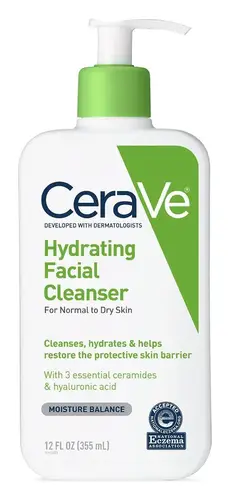
This oil-based makeup remover is made to dissolve makeup, sunscreen, and daily buildup.
This oil-based makeup remover is made to dissolve makeup, sunscreen, and daily buildup.

What's inside
What's inside
 Key Ingredients
Benefits
Concerns
Ingredients Side-by-side
Caprylic/Capric Triglyceride
Masking


Prunus Armeniaca Kernel Oil
Masking




Ethylhexyl Olivate
Skin Conditioning
Glyceryl Stearate
Emollient
Polyglyceryl-10 Tristearate
Skin Conditioning
Helianthus Annuus Seed Wax
Skin Conditioning
Trihydroxystearin
Skin Conditioning
Squalane
Emollient
Polyglyceryl-3 Cocoate
Emulsifying
Polyglyceryl-4 Caprate
EmulsifyingPolyglyceryl-6 Caprylate
EmulsifyingPolyglyceryl-6 Ricinoleate
Emulsifying
Vanilla Planifolia Fruit Extract
Skin Conditioning
Oryza Sativa Bran Extract
Skin Conditioning
Water
Skin ConditioningCetearyl Alcohol
Emollient

Olea Europaea Fruit Unsaponifiables
Antioxidant
Stearalkonium Hectorite
Gel FormingPhenethyl Alcohol
MaskingPropylene Carbonate
SolventGlyceryl Caprylate
EmollientHelianthus Annuus Extract
Emollient
Rosmarinus Officinalis Leaf Extract
AntimicrobialTocopherol
Antioxidant



1,2-Hexanediol
Skin Conditioning
Bisabolol
Antioxidant
Caprylic/Capric Triglyceride, Prunus Armeniaca Kernel Oil, Ethylhexyl Olivate, Glyceryl Stearate, Polyglyceryl-10 Tristearate, Helianthus Annuus Seed Wax, Trihydroxystearin, Squalane, Polyglyceryl-3 Cocoate, Polyglyceryl-4 Caprate, Polyglyceryl-6 Caprylate, Polyglyceryl-6 Ricinoleate, Vanilla Planifolia Fruit Extract, Oryza Sativa Bran Extract, Water, Cetearyl Alcohol, Olea Europaea Fruit Unsaponifiables, Stearalkonium Hectorite, Phenethyl Alcohol, Propylene Carbonate, Glyceryl Caprylate, Helianthus Annuus Extract, Rosmarinus Officinalis Leaf Extract, Tocopherol, 1,2-Hexanediol, Bisabolol
Cetyl Ethylhexanoate
EmollientSynthetic Wax
Abrasive
Coco-Caprylate/Caprate
Emollient
Caprylic/Capric Triglyceride
Masking
Polyglyceryl-10 Dioleate
Emulsifying
Polyglyceryl-6 Dicaprate
EmulsifyingSorbitan Oleate Decylglucoside Crosspolymer
CleansingHelianthus Annuus Seed Oil
Emollient
Moringa Oleifera Seed Extract
Skin Conditioning
Carica Papaya Fruit Extract
Skin ConditioningMoringa Oleifera Leaf Water
Skin ConditioningPentylene Glycol
Skin Conditioning
Gluconolactone
Chelating




Polyglyceryl-6 Oleate
Emulsifying
Glyceryl Citrate/Lactate/Linoleate/Oleate
Emulsifying
Sorbitan Sesquioleate
Emulsifying
Potassium Olivate
EmulsifyingGlyceryl Caprylate
EmollientPolyglyceryl-3 Caprate
EmulsifyingPolyglyceryl-4 Cocoate
Emollient
Sodium Chloride
MaskingButylene Glycol
Humectant
Water
Skin ConditioningSodium Benzoate
Masking
Maltodextrin
Absorbent
Glyceryl Laurate
Emollient
Cetyl Ethylhexanoate, Synthetic Wax, Coco-Caprylate/Caprate, Caprylic/Capric Triglyceride, Polyglyceryl-10 Dioleate, Polyglyceryl-6 Dicaprate, Sorbitan Oleate Decylglucoside Crosspolymer, Helianthus Annuus Seed Oil, Moringa Oleifera Seed Extract, Carica Papaya Fruit Extract, Moringa Oleifera Leaf Water, Pentylene Glycol, Gluconolactone, Polyglyceryl-6 Oleate, Glyceryl Citrate/Lactate/Linoleate/Oleate, Sorbitan Sesquioleate, Potassium Olivate, Glyceryl Caprylate, Polyglyceryl-3 Caprate, Polyglyceryl-4 Cocoate, Sodium Chloride, Butylene Glycol, Water, Sodium Benzoate, Maltodextrin, Glyceryl Laurate
Reviews
Alternatives
Ingredients Explained
These ingredients are found in both products.
Ingredients higher up in an ingredient list are typically present in a larger amount.
Caprylic/Capric Triglyceride (aka MCT Oil) is a lightweight emollient, solvent, and texture enhancer. It is considered a skin-softener by helping to prevent moisture loss.
Though it behaves like an oil, it is not technically one due to its chemical composition. One perk of this ingredient is that it is very stable, resistant to oxidation, and unlikely to go rancid.
In practice, that translates to a long shelf life and a consistently elegant skin feel.
While there is an assumption Caprylic Triglyceride can clog pores due to it being derived from coconut oil, there is no research supporting this. Just patch test if you have concerns.
Fractionated coconut oil and MCT Oil are both listed as Caprylic/Capric Triglyceride according to INCI. This is because INCI names are based on the ingredient’s final chemical composition and not its marketing name or source.
This ingredient is treated as the gold standard fungal acne safe oil. Even though it is coconut derived, the problematic lauric acid is stripped out.
This leaves just caprylic (C8) and capric (C10) acid. These chain lengths actually trend antifungal; a 2020 study found caprylic acid was enough to disrupt Malassezia furfur cell membrane, with a caprylic acid derivative damaging membrane structures at concentrations as low as 0.2%.
Learn more about Caprylic/Capric TriglycerideGlyceryl Caprylate comes from glycerin and caprylic acid. It is an emollient, co-emulsifier, and preservative booster.
Its short C8 fatty acid chain makes it behave differently from its longer-chain emollient cousins like Glyceryl Stearate. It feels more lightweight, fast-absorbing, and silky instead of rich and waxy.
As a co-emulsifier, its "head" and "tail" sit at the oil-water interface. But overall, the short C8 tail and not being water soluble means it doesn't really have the muscle to emulsify a formula on its own. That's why you'll often see it paired with a primary emulsifier like Cetearyl Glucoside.
Interestingly, Glyceryl Caprylate acts as a preservative booster. This is because its fatty-acid backbone disrupts microbial lipid membranes. It shows excellent activity against bacteria and yeast but is weaker against mold.
Typical concentrations range from 0.5-1% and this ingredient is generally non-irritating.
Because this ingredient has a C8 fatty acid chain, it is outside the range that the Malassezia yeast metabolizes (making it fungal acne safe).
Learn more about Glyceryl CaprylateWater. It's the most common cosmetic ingredient of all. You'll usually see it at the top of ingredient lists, meaning that it makes up the largest part of the product.
So why is it so popular? Water most often acts as a solvent - this means that it helps dissolve other ingredients into the formulation.
You'll also recognize water as that liquid we all need to stay alive. If you see this, drink a glass of water. Remember to stay hydrated!
Learn more about Water