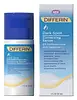
This brightening serum is formulated around Hydroquinone to fade the look of dark spots.
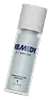
This pore-care treatment is formulated around Niacinamide and Salicylic Acid to refine the look of pores and balance excess oil.

What's inside
What's inside
 Key Ingredients
Benefits
Concerns
Ingredients Side-by-side




Water
Skin ConditioningNiacinamide 5%
Smoothing











Glycerin
Humectant
Squalane
Emollient
Propanediol
Solvent
Hydroxyethyl Acrylate/Sodium Acryloyldimethyl Taurate Copolymer
Emulsion StabilisingGlyceryl Stearate
Emollient

Cetearyl Alcohol
Emollient




Coco-Caprylate
Emollient
Salicylic Acid 1%
Masking



Retinol 0.3%
Skin Conditioning
Perlite
Absorbent
Fomes Officinalis Extract
Skin ProtectingCamellia Sinensis Leaf Extract
Antimicrobial
Curcuma Longa Root Extract
Antioxidant
Kinetin
Skin ConditioningCeramide NP
Skin Conditioning
Tocopherol
Antioxidant
Silica
Abrasive
Caprylic/Capric Triglyceride
Masking
Sodium Polyacrylate
Absorbent
Polysorbate 20
Emulsifying
Polysorbate 60
Emulsifying
Cetyl Palmitate
Emollient
Laureth-23
Cleansing
Sorbitan Isostearate
Emulsifying
Trideceth-6 Phosphate
EmulsifyingSodium Hydroxide
BufferingTetrasodium Glutamate Diacetate
ChelatingCaprylyl Glycol
Emollient
Hexylene Glycol
EmulsifyingPhenoxyethanol
Preservative
Ethylhexylglycerin
Skin ConditioningWater, Niacinamide 5%, Glycerin, Squalane, Propanediol, Hydroxyethyl Acrylate/Sodium Acryloyldimethyl Taurate Copolymer, Glyceryl Stearate, Cetearyl Alcohol, Coco-Caprylate, Salicylic Acid 1%, Retinol 0.3%, Perlite, Fomes Officinalis Extract, Camellia Sinensis Leaf Extract, Curcuma Longa Root Extract, Kinetin, Ceramide NP, Tocopherol, Silica, Caprylic/Capric Triglyceride, Sodium Polyacrylate, Polysorbate 20, Polysorbate 60, Cetyl Palmitate, Laureth-23, Sorbitan Isostearate, Trideceth-6 Phosphate, Sodium Hydroxide, Tetrasodium Glutamate Diacetate, Caprylyl Glycol, Hexylene Glycol, Phenoxyethanol, Ethylhexylglycerin
Reviews
Ingredients Explained
These ingredients are found in both products.
Ingredients higher up in an ingredient list are typically present in a larger amount.
Caprylyl Glycol is a humectant, skin conditioner, emollient, and preservative booster derived from either caprylic acid or synthetically created.
Typical use levels vary from 0.3-1% as a preservative booster and go up to 2% to condition skin.
Because it is not a free-fatty acid, this ingredient is fungal acne safe (there's nothing for Malassezia to feed on).
Learn more about Caprylyl GlycolPolysorbate 20 is a gentle, water-soluble emulsifier and mild surfactant. It stops oil and water from separating to keep your formulas blended and stable.
It also acts as a mild penetration enhancer by helping active ingredients absorb slightly better.
The common safety discussion around this ingredient involves a manufacturing byproduct called 1,4-dioxane.
Trace amounts can form during production but the EU's Scientific Committee on Consumer Safety has concluded that levels at/below 10 ppm in finished products are safe (commercial products consistently fall within acceptable margins).
True allergic reactions are uncommon and the CIR Expert Panel has confirmed this ingredient to be safe as used in cosmetics.
Because it is derived from lauric acid, it may not be fungal acne safe.
Learn more about Polysorbate 20Water. It's the most common cosmetic ingredient of all. You'll usually see it at the top of ingredient lists, meaning that it makes up the largest part of the product.
So why is it so popular? Water most often acts as a solvent - this means that it helps dissolve other ingredients into the formulation.
You'll also recognize water as that liquid we all need to stay alive. If you see this, drink a glass of water. Remember to stay hydrated!
Learn more about Water

