

What's inside
What's inside
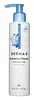 Key Ingredients
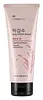
No key ingredients
Benefits
Concerns
Ingredients Side-by-side
Water
Skin ConditioningSodium Methyl Cocoyl Taurate
Cleansing
Cocamidopropyl Hydroxysultaine
Cleansing
Glyceryl Laurate
Emollient

Disodium Laureth Sulfosuccinate
CleansingCocamidopropyl Betaine
Cleansing

Sodium Hyaluronate
Humectant




Panthenol
Skin Conditioning

Tocopheryl Acetate
Antioxidant


Retinyl Palmitate
Skin Conditioning

Cymbopogon Schoenanthus Extract
Skin ConditioningEquisetum Arvense Extract
AstringentCarica Papaya Fruit Extract
Skin ConditioningChamomilla Recutita Flower Extract
Masking
Allantoin
Skin Conditioning
Potassium Sorbate
Preservative
Phenoxyethanol
Preservative
Ethylhexylglycerin
Skin ConditioningParfum
Masking

Water, Sodium Methyl Cocoyl Taurate, Cocamidopropyl Hydroxysultaine, Glyceryl Laurate, Disodium Laureth Sulfosuccinate, Cocamidopropyl Betaine, Sodium Hyaluronate, Panthenol, Tocopheryl Acetate, Retinyl Palmitate, Cymbopogon Schoenanthus Extract, Equisetum Arvense Extract, Carica Papaya Fruit Extract, Chamomilla Recutita Flower Extract, Allantoin, Potassium Sorbate, Phenoxyethanol, Ethylhexylglycerin, Parfum
Water
Skin ConditioningMyristic Acid
Cleansing
Glycerin
Humectant
Potassium Hydroxide
BufferingStearic Acid
Cleansing
Glycol Distearate
Emollient
Lauric Acid
Cleansing
Cocamidopropyl Betaine
Cleansing
Cocamide Mea
Emulsifying
Disodium Cocoamphodiacetate
CleansingGlyceryl Stearate
Emollient
PEG-100 Stearate
Surfactant
Sodium Lauryl Sulfate
Cleansing

Oryza Sativa Extract
Absorbent
Saponaria Officinalis Leaf Extract
AntimicrobialOryza Sativa Bran Oil
Emollient
Titanium Dioxide
Cosmetic Colorant

Sodium Chloride
MaskingDivinyldimethicone/Dimethicone Copolymer

C12-13 Pareth-23
CleansingC12-13 Pareth-3
EmulsifyingHexylene Glycol
EmulsifyingDisodium EDTA
CI 42090
Cosmetic ColorantCI 19140
Cosmetic ColorantCI 14700
Cosmetic ColorantHydroxypropyl Methylcellulose
Emulsion StabilisingParfum
Masking
Water, Myristic Acid, Glycerin, Potassium Hydroxide, Stearic Acid, Glycol Distearate, Lauric Acid, Cocamidopropyl Betaine, Cocamide Mea, Disodium Cocoamphodiacetate, Glyceryl Stearate, PEG-100 Stearate, Sodium Lauryl Sulfate, Oryza Sativa Extract, Saponaria Officinalis Leaf Extract, Oryza Sativa Bran Oil, Titanium Dioxide, Sodium Chloride, Divinyldimethicone/Dimethicone Copolymer, C12-13 Pareth-23, C12-13 Pareth-3, Hexylene Glycol, Disodium EDTA, CI 42090, CI 19140, CI 14700, Hydroxypropyl Methylcellulose, Parfum
Reviews
Ingredients Explained
These ingredients are found in both products.
Ingredients higher up in an ingredient list are typically present in a larger amount.
Cocamidopropyl Betaine is a fatty acid created by mixing similar compounds in coconut oil and dimethylaminopropylamine, a compound with two amino groups.
This ingredient is a surfactant and cleanser. It helps gather the dirt, pollutants, and other impurities in your skin to be washed away. It also helps thicken a product and make the texture more creamy.
Being created from coconut oil means Cocamidopropyl Betaine is hydrating for the skin.
While Cocamidopropyl Betaine was believed to be an allergen, a study from 2012 disproved this. It found two compounds in unpure Cocamidopropyl Betaine to be the irritants: aminoamide and 3-dimethylaminopropylamine. High-grade and pure Cocamidopropyl Betaine did not induce allergic reactions during this study.
Learn more about Cocamidopropyl BetaineParfum is a catch-all term for an ingredient or more that is used to give a scent to products.
Also called "fragrance", this ingredient can be a blend of hundreds of chemicals or plant oils. This means every product with "fragrance" or "parfum" in the ingredients list is a different mixture.
For instance, Habanolide is a proprietary trade name for a specific aroma chemical. When used as a fragrance ingredient in cosmetics, most aroma chemicals fall under the broad labeling category of “FRAGRANCE” or “PARFUM” according to EU and US regulations.
The term 'parfum' or 'fragrance' is not regulated in many countries. In many cases, it is up to the brand to define this term.
For instance, many brands choose to label themselves as "fragrance-free" because they are not using synthetic fragrances. However, their products may still contain ingredients such as essential oils that are considered a fragrance by INCI standards.
One example is Calendula flower extract. Calendula is an essential oil that still imparts a scent or 'fragrance'.
Depending on the blend, the ingredients in the mixture can cause allergies and sensitivities on the skin. Some ingredients that are known EU allergens include linalool and citronellol.
Parfum can also be used to mask or cover an unpleasant scent.
The bottom line is: not all fragrances/parfum/ingredients are created equally. If you are worried about fragrances, we recommend taking a closer look at an ingredient. And of course, we always recommend speaking with a professional.
Learn more about ParfumWater. It's the most common cosmetic ingredient of all. You'll usually see it at the top of ingredient lists, meaning that it makes up the largest part of the product.
So why is it so popular? Water most often acts as a solvent - this means that it helps dissolve other ingredients into the formulation.
You'll also recognize water as that liquid we all need to stay alive. If you see this, drink a glass of water. Remember to stay hydrated!
Learn more about Water

