Depology Matrixyl® 3000 Collagen Boosting Serum Versus Allies of Skin Multi Peptides & GF Advanced Lifting Serum
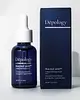
This anti-aging serum is formulated around Matrixyl 3000 and Aloe Barbadensis Leaf Juice to soften the look of wrinkles and hydrate skin.
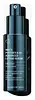
This anti-aging serum is formulated around Sh-Oligopeptide-1 and Dipeptide Diaminobutyroyl Benzylamide Diacetate to soften the look of wrinkles.


What's inside
What's inside
 Key Ingredients
Benefits
Concerns
Ingredients Side-by-side
Water
Skin ConditioningButylene Glycol
Humectant

Matrixyl 3000


Aloe Barbadensis Leaf Juice
Skin Conditioning

Glycerin
Humectant
Portulaca Oleracea Extract
Skin Conditioning
Hyaluronic Acid
Humectant
Codium Tomentosum Extract
Skin ProtectingCitrus Paradisi Seed Extract
Masking
Cereus Grandiflorus Extract
Antioxidant
Polyglyceryl-6 Caprylate
EmulsifyingTrehalose
Humectant
Hydroxyacetophenone
Antioxidant
1,2-Hexanediol
Skin Conditioning
Cocos Nucifera Oil
Masking






Rosa Canina Fruit Oil
Emollient
Helianthus Annuus Seed Oil
Emollient
Allantoin
Skin Conditioning
Stearic Acid
Cleansing
Xanthan Gum
EmulsifyingWater, Butylene Glycol, Matrixyl 3000, Aloe Barbadensis Leaf Juice, Glycerin, Portulaca Oleracea Extract, Hyaluronic Acid, Codium Tomentosum Extract, Citrus Paradisi Seed Extract, Cereus Grandiflorus Extract, Polyglyceryl-6 Caprylate, Trehalose, Hydroxyacetophenone, 1,2-Hexanediol, Cocos Nucifera Oil, Rosa Canina Fruit Oil, Helianthus Annuus Seed Oil, Allantoin, Stearic Acid, Xanthan Gum
Water
Skin ConditioningGlycerin
Humectant
Heptyl Glucoside
SurfactantIsodecyl Neopentanoate
EmollientAcacia Senegal Gum
MaskingPolysorbate 20
Emulsifying
Centella Asiatica Leaf Extract
Skin Conditioning
Helianthus Annuus Seed Oil
Emollient
Tocopherol
Antioxidant


Phospholipids
Skin Conditioning
Glycolipids
Skin ConditioningDimethyl Sulfone
SolventOrnithine
Skin ConditioningLecithin
Emollient
Hydrogenated Lecithin
Emulsifying
Copper Lysinate/Prolinate
Skin ConditioningMethylglucoside Phosphate
Skin ConditioningCrocus Chrysanthus Bulb Extract
Skin ConditioningSh-Oligopeptide-1
Skin Conditioning
Dipeptide Diaminobutyroyl Benzylamide Diacetate
Skin Conditioning
Pentapeptide-18
Skin Conditioning
Pentapeptide-48
Skin Conditioning
Butyrospermum Parkii Butter
Skin Conditioning
Leuconostoc/Radish Root Ferment Filtrate
Antimicrobial
Caprylic/Capric Triglyceride
Masking
Ethylhexylglycerin
Skin ConditioningC12-15 Alkyl Benzoate
AntimicrobialSclerotium Gum
Emulsion StabilisingXanthan Gum
EmulsifyingCaprylyl Glycol
Emollient
Levulinic Acid
Perfuming
P-Anisic Acid
MaskingSodium Gluconate
ChelatingPropanediol
Solvent
Maltodextrin
Absorbent
Citric Acid
Buffering
Sodium Hydroxide
BufferingHeptanol
Perfuming
Phenethyl Alcohol
MaskingPhenoxyethanol
Preservative
Water, Glycerin, Heptyl Glucoside, Isodecyl Neopentanoate, Acacia Senegal Gum, Polysorbate 20, Centella Asiatica Leaf Extract, Helianthus Annuus Seed Oil, Tocopherol, Phospholipids, Glycolipids, Dimethyl Sulfone, Ornithine, Lecithin, Hydrogenated Lecithin, Copper Lysinate/Prolinate, Methylglucoside Phosphate, Crocus Chrysanthus Bulb Extract, Sh-Oligopeptide-1, Dipeptide Diaminobutyroyl Benzylamide Diacetate, Pentapeptide-18, Pentapeptide-48, Butyrospermum Parkii Butter, Leuconostoc/Radish Root Ferment Filtrate, Caprylic/Capric Triglyceride, Ethylhexylglycerin, C12-15 Alkyl Benzoate, Sclerotium Gum, Xanthan Gum, Caprylyl Glycol, Levulinic Acid, P-Anisic Acid, Sodium Gluconate, Propanediol, Maltodextrin, Citric Acid, Sodium Hydroxide, Heptanol, Phenethyl Alcohol, Phenoxyethanol
Reviews
Ingredients Explained
These ingredients are found in both products.
Ingredients higher up in an ingredient list are typically present in a larger amount.
Glycerin (or glycerol) is a compound naturally found in your skin. It's a powerhouse humectant that pulls water into the stratum corneum.
Topically, glycerin does several things at once:
Your skin makes glycerin on its own (mostly from sebaceous oil breakdown) and shuttles it to your outermost layer of skin, or your epidermis, via aquaporin-3.
Aquaporin-3 is a transporter that is essential for normal skin hydration, elasticity, and repair. Interestingly, mice lacking in AQP3 have dry and less elastic skin that can be fully corrected with glycerin.
This ingredient is non-irritating, plays well with almost every ingredient, and works across all skin types. Typical use is anywhere between 3-10% but can go up to 79% in some leave-on products.
Just know very high concentrations (>40%) can feel tacky in low humidity.
Glycerin is the name for this ingredient in American English. British English uses Glycerol/Glycerine.
Learn more about GlycerinHelianthus Annuus Seed Oil is a plant oil derived from the seeds of a sunflower.
It is rich in fatty acids, primarily linoleic acid and oleic acid. This gives it emollient and skin conditioning properties.
The reason this ingredient is so effective is because it forms a thin film on the skin that reduces transepidermal water loss (TEWL) while supplying linoleic acid to the stratum corneum to improve barrier strength.
The high linoleic acid content is particularly noteworthy for acne-prone skin.
Research suggests that acne-prone skin tends to be deficient in linoleic acid in sebum. Topical application may help replenish this to support a healthier follicular environment and less comedone-promoting sebum.
One randomized study found sunflower seed oil preserved skin barrier integrity in adult volunteers with and without atopic dermatitis (outperforming olive oil).
This ingredient is well-studied, gentle, and an effective emollient suitable for most skin types.
On fungal acne: This ingredient may not be Fungal acne (Malassezia folliculitis) safe. This is because it contains fatty acids with carbon chain lengths in the C11-C24 range.
Learn more about Helianthus Annuus Seed OilWater. It's the most common cosmetic ingredient of all. You'll usually see it at the top of ingredient lists, meaning that it makes up the largest part of the product.
So why is it so popular? Water most often acts as a solvent - this means that it helps dissolve other ingredients into the formulation.
You'll also recognize water as that liquid we all need to stay alive. If you see this, drink a glass of water. Remember to stay hydrated!
Learn more about WaterXanthan gum is used as a stabilizer and thickener within cosmetic products. It helps give products a sticky, thick feeling - preventing them from being too runny.
On the technical side of things, xanthan gum is a polysaccharide - a combination consisting of multiple sugar molecules bonded together.
Xanthan gum is a pretty common and great ingredient. It is a natural, non-toxic, non-irritating ingredient that is also commonly used in food products.
Learn more about Xanthan Gum

