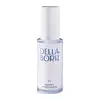
This hydrating serum is formulated around Honey Extract and Niacinamide to hydrate skin and soften the look of wrinkles.
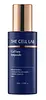
This anti-aging ampoule is formulated around Copper Tripeptide-1 and Palmitoyl Pentapeptide-4 to soften the look of wrinkles and strengthen the skin barrier.

What's inside
What's inside
 Key Ingredients
Benefits
Concerns
Ingredients Side-by-side
Honey Extract
Humectant
Cetyl Ethylhexanoate
EmollientDipropylene Glycol
HumectantBis-Diglyceryl Polyacyladipate-2
Emollient

Glycerin
Humectant

Dimethicone
Emollient
Cetyl PEG/PPG-10/1 Dimethicone
Emulsifying
Caprylic/Capric Triglyceride
Masking
Niacinamide
Smoothing









1,2-Hexanediol
Skin Conditioning
Sodium Chloride
MaskingMicrocrystalline Wax
Emulsion StabilisingStearalkonium Hectorite
Gel FormingPropylene Carbonate
SolventEthylhexylglycerin
Skin ConditioningCollagen Extract
Skin Conditioning
Helianthus Annuus Seed Oil
Emollient
Adenosine
Skin Conditioning
Parfum
Masking



Disodium EDTA
ChelatingEthyl Menthane Carboxamide
TonicWater
Skin ConditioningGlycine Soja Oil
Emollient

Butyrospermum Parkii Butter
Skin Conditioning
Citric Acid
Buffering
Ceramide NP
Skin Conditioning
Bixa Orellana Seed Oil
Emollient
Phytosphingosine
Skin Conditioning
Sodium Hyaluronate
Humectant
Tocopherol
Antioxidant

Hydroxypropyltrimonium Hyaluronate
Hydrolyzed Hyaluronic Acid
Humectant
Sodium Acetylated Hyaluronate
Humectant
Hyaluronic Acid
Humectant
Hydrolyzed Sodium Hyaluronate
Skin Conditioning
Sodium Hyaluronate Crosspolymer
Humectant
Potassium Hyaluronate
Skin ConditioningHoney Extract, Cetyl Ethylhexanoate, Dipropylene Glycol, Bis-Diglyceryl Polyacyladipate-2, Glycerin, Dimethicone, Cetyl PEG/PPG-10/1 Dimethicone, Caprylic/Capric Triglyceride, Niacinamide, 1,2-Hexanediol, Sodium Chloride, Microcrystalline Wax, Stearalkonium Hectorite, Propylene Carbonate, Ethylhexylglycerin, Collagen Extract, Helianthus Annuus Seed Oil, Adenosine, Parfum, Disodium EDTA, Ethyl Menthane Carboxamide, Water, Glycine Soja Oil, Butyrospermum Parkii Butter, Citric Acid, Ceramide NP, Bixa Orellana Seed Oil, Phytosphingosine, Sodium Hyaluronate, Tocopherol, Hydroxypropyltrimonium Hyaluronate, Hydrolyzed Hyaluronic Acid, Sodium Acetylated Hyaluronate, Hyaluronic Acid, Hydrolyzed Sodium Hyaluronate, Sodium Hyaluronate Crosspolymer, Potassium Hyaluronate
Water
Skin ConditioningGlycerin
Humectant
Propanediol
Solvent
1,2-Hexanediol
Skin Conditioning
Acrylates/C10-30 Alkyl Acrylate Crosspolymer
Emulsion StabilisingTromethamine
BufferingSodium Hyaluronate
Humectant
Hyaluronic Acid
Humectant
Butylene Glycol
Humectant
Polyglyceryl-10 Laurate
Skin Conditioning
Ethylhexylglycerin
Skin Conditioning2,3-Butanediol
HumectantCaprylyl Glycol
Emollient
Glyceryl Acrylate/Acrylic Acid Copolymer
HumectantHydrogenated Lecithin
Emulsifying
Dipropylene Glycol
HumectantBeta-Sitosterol
Emulsion Stabilising
Tripeptide-1
Skin Conditioning
Copper Tripeptide-1
Skin Conditioning
Acetyl Hexapeptide-8
Humectant
Palmitoyl Pentapeptide-4
Skin Conditioning
Palmitoyl Tripeptide-1
Skin Conditioning
Hexapeptide-9
Skin Conditioning
Centella Asiatica Extract
Cleansing
Sodium DNA
Skin Conditioning
Nonapeptide-1
Skin Conditioning
Simmondsia Chinensis Seed Oil
Emollient
Polyglyceryl-10 Stearate
Skin Conditioning
Water, Glycerin, Propanediol, 1,2-Hexanediol, Acrylates/C10-30 Alkyl Acrylate Crosspolymer, Tromethamine, Sodium Hyaluronate, Hyaluronic Acid, Butylene Glycol, Polyglyceryl-10 Laurate, Ethylhexylglycerin, 2,3-Butanediol, Caprylyl Glycol, Glyceryl Acrylate/Acrylic Acid Copolymer, Hydrogenated Lecithin, Dipropylene Glycol, Beta-Sitosterol, Tripeptide-1, Copper Tripeptide-1, Acetyl Hexapeptide-8, Palmitoyl Pentapeptide-4, Palmitoyl Tripeptide-1, Hexapeptide-9, Centella Asiatica Extract, Sodium DNA, Nonapeptide-1, Simmondsia Chinensis Seed Oil, Polyglyceryl-10 Stearate
Ingredients Explained
These ingredients are found in both products.
Ingredients higher up in an ingredient list are typically present in a larger amount.
1,2-Hexanediol is a synthetic liquid and another multi-functional powerhouse.
It is a:
- Humectant, drawing moisture into the skin
- Emollient, helping to soften skin
- Solvent, dispersing and stabilizing formulas
- Preservative booster, enhancing the antimicrobial activity of other preservatives
Dipropylene Glycol is a synthetically created humectant, stabilizer, and solvent.
This ingredient helps:
Dipropylene glycol is technically an alcohol, but it belongs to the glycol family (often considered part of the ‘good’ alcohols). This means it is hydrating and gentle on skin unlike drying solvent alcohols like denatured alcohol.
As a masking agent, Dipropylene Glycol can be used to cover the smell of other ingredients. However, it does not have a scent.
Studies show Dipropylene Glycol is considered safe to use in skincare.
Learn more about Dipropylene GlycolEthylhexylglycerin is created from glycerin. It is a multitasker ingredient that:
The CIR Expert Panel found minimal skin absorption or sensitization of any kind in a safety assessment. Though this ingredient is considered well-tolerated, a small number of cases of allergic dermatitis have been published since 2002. Just be sure to patch test if you are unsure.
Industry-reported use ranges from 8% in rinse-off products and 2% in leave-on formulations.
Learn more about EthylhexylglycerinGlycerin (or glycerol) is a compound naturally found in your skin. It's a powerhouse humectant that pulls water into the stratum corneum.
Topically, glycerin does several things at once:
Your skin makes glycerin on its own (mostly from sebaceous oil breakdown) and shuttles it to your outermost layer of skin, or your epidermis, via aquaporin-3.
Aquaporin-3 is a transporter that is essential for normal skin hydration, elasticity, and repair. Interestingly, mice lacking in AQP3 have dry and less elastic skin that can be fully corrected with glycerin.
This ingredient is non-irritating, plays well with almost every ingredient, and works across all skin types. Typical use is anywhere between 3-10% but can go up to 79% in some leave-on products.
Just know very high concentrations (>40%) can feel tacky in low humidity.
Glycerin is the name for this ingredient in American English. British English uses Glycerol/Glycerine.
Learn more about GlycerinHyaluronic acid (HA) is a glycosaminoglycan (basically a long sugar chain) that your skin already makes on its own. In your skin, HA lives in the extracellular matrix and acts as the body's moisture reservoir.
Topically, HA is a humectant that binds water and helps skin look more plump, smooth, and hydrated.
The only catch is that HA isn't a single thing; it actually comes in a wide range of molecular weights (~50 - 2,000+ kDA) and size matters.
Some clinical evidence links low molecular weight versions to improved wrinkle depth, elasticity, anti-inflammatory effects, and barrier repair.
This is why the best HA serums blend the two sizes together so you get the best of both worlds.
The majority of cosmetic HA is produced by bacterial fermentation, typically using Streptococcus or Bacillus strains. Typical use levels in skincare sit around 0.1-2%.
A clinical study using a 0.2% low-molecular weight HA gel showed improvement in facial seborrheic dermatitis with excellent tolerance.
These are some other common types of Hyaluronic Acid:
Learn more about Hyaluronic AcidSodium Hyaluronate is the salt form of hyaluronic acid. It is a long sugar chain that is naturally found in your skin, joints, and connective tissue that maintains hydration and elasticity.
In skincare, it works as a humectant. It pulls water from the environment and deeper layers of skin and binds it to the surface.
Interestingly, the size of the molecule affects its behavior:
Some clinical evidence links low molecular weight versions to improved wrinkle depth, elasticity, anti-inflammatory effects, and barrier repair.
Many serums use a blend of both weights so you can get surface hydration plus longer-lasting and deeper effects.
You'll typically see concentrations between 0.1-2% for this ingredient.
Learn more about Sodium HyaluronateWater. It's the most common cosmetic ingredient of all. You'll usually see it at the top of ingredient lists, meaning that it makes up the largest part of the product.
So why is it so popular? Water most often acts as a solvent - this means that it helps dissolve other ingredients into the formulation.
You'll also recognize water as that liquid we all need to stay alive. If you see this, drink a glass of water. Remember to stay hydrated!
Learn more about Water

