

What's inside
What's inside
 Key Ingredients
Benefits
Concerns
Ingredients Side-by-side
Water
Skin ConditioningDimethicone
Emollient

Propylene Glycol
Humectant


Caprylyl Methicone
Skin Conditioning
Dicaprylyl Ether
Emollient
Cetyl PEG/PPG-10/1 Dimethicone
Emulsifying
Silica
Abrasive


PEG-10 Dimethicone
Skin Conditioning
Sodium Chloride
MaskingDisteardimonium Hectorite
StabilisingTribehenin
Emollient
Glycerin
Humectant
Phenoxyethanol
Preservative
Tocopheryl Acetate
Antioxidant


Triethyl Citrate
Masking

Chlorphenesin
Antimicrobial
Methicone
Emollient
Alumina
Abrasive
Propylene Carbonate
SolventTocopherol
Antioxidant


Pentaerythrityl Tetra-Di-T-Butyl Hydroxyhydrocinnamate
Antioxidant
CI 77891
Cosmetic ColorantMica
Cosmetic ColorantIron Oxides
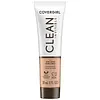
Water, Dimethicone, Propylene Glycol, Caprylyl Methicone, Dicaprylyl Ether, Cetyl PEG/PPG-10/1 Dimethicone, Silica, PEG-10 Dimethicone, Sodium Chloride, Disteardimonium Hectorite, Tribehenin, Glycerin, Phenoxyethanol, Tocopheryl Acetate, Triethyl Citrate, Chlorphenesin, Methicone, Alumina, Propylene Carbonate, Tocopherol, Pentaerythrityl Tetra-Di-T-Butyl Hydroxyhydrocinnamate, CI 77891, Mica, Iron Oxides
Water
Skin ConditioningCyclopentasiloxane
Emollient
CI 77891
Cosmetic ColorantTrimethylsiloxysilicate
Emollient
Propanediol
Solvent
Dimethicone
Emollient
Diphenylsiloxy Phenyl Trimethicone
Skin Conditioning
Methyl Trimethicone
Skin Conditioning
Niacinamide
Smoothing



PEG-10 Dimethicone
Skin Conditioning
CI 77492
Cosmetic ColorantPEG/PPG-18/18 Dimethicone
Emulsifying
1,2-Hexanediol
Skin Conditioning
Polypropylsilsesquioxane
Isododecane
EmollientOctyldodecanol
Emollient
Magnesium Sulfate
Boron Nitride
Absorbent
Polyglyceryl-3 Polydimethylsiloxyethyl Dimethicone
Skin Conditioning
C12-15 Alkyl Benzoate
AntimicrobialDisteardimonium Hectorite
StabilisingAluminum Hydroxide
EmollientPolyhydroxystearic Acid
Emulsifying
CI 77491
Cosmetic ColorantStearic Acid
Cleansing
Triethoxycaprylylsilane
Alumina
Abrasive
Potassium Sorbate
Preservative
Propylene Carbonate
SolventPolyglyceryl-4 Isostearate
Emulsifying
Parfum
Masking
Isopropyl Titanium Triisostearate
Emollient
CI 77499
Cosmetic ColorantAdenosine
Skin Conditioning
Trisodium Ethylenediamine Disuccinate
ChelatingNeopentyl Glycol Diethylhexanoate
Emollient
Polymethyl Methacrylate
Haematococcus Pluvialis Oil
Antioxidant
Butylene Glycol
Humectant
Glycerin
Humectant
Dipropylene Glycol
HumectantSodium Palmitoyl Proline
Skin ConditioningCetearyl Dimethicone/Vinyl Dimethicone Crosspolymer
Emollient
Hibiscus Sabdariffa Flower Extract
Skin ConditioningAstaxanthin
Skin Conditioning
Rosa Rugosa Flower Extract
Skin ConditioningPancratium Maritimum Extract
BleachingNymphaea Alba Flower Extract
Skin ConditioningPropolis Extract
Skin Conditioning
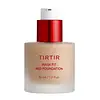
Water, Cyclopentasiloxane, CI 77891, Trimethylsiloxysilicate, Propanediol, Dimethicone, Diphenylsiloxy Phenyl Trimethicone, Methyl Trimethicone, Niacinamide, PEG-10 Dimethicone, CI 77492, PEG/PPG-18/18 Dimethicone, 1,2-Hexanediol, Polypropylsilsesquioxane, Isododecane, Octyldodecanol, Magnesium Sulfate, Boron Nitride, Polyglyceryl-3 Polydimethylsiloxyethyl Dimethicone, C12-15 Alkyl Benzoate, Disteardimonium Hectorite, Aluminum Hydroxide, Polyhydroxystearic Acid, CI 77491, Stearic Acid, Triethoxycaprylylsilane, Alumina, Potassium Sorbate, Propylene Carbonate, Polyglyceryl-4 Isostearate, Parfum, Isopropyl Titanium Triisostearate, CI 77499, Adenosine, Trisodium Ethylenediamine Disuccinate, Neopentyl Glycol Diethylhexanoate, Polymethyl Methacrylate, Haematococcus Pluvialis Oil, Butylene Glycol, Glycerin, Dipropylene Glycol, Sodium Palmitoyl Proline, Cetearyl Dimethicone/Vinyl Dimethicone Crosspolymer, Hibiscus Sabdariffa Flower Extract, Astaxanthin, Rosa Rugosa Flower Extract, Pancratium Maritimum Extract, Nymphaea Alba Flower Extract, Propolis Extract
Reviews
Ingredients Explained
These ingredients are found in both products.
Ingredients higher up in an ingredient list are typically present in a larger amount.
Alumina (aka aluminum oxide) is an inorganic mineral powder refined from bauxite that works as a quiet workhorse in a formula.
It shows up often as an abrasive, absorbent, anticaking, bulking, and viscosity-controlling agent.
One of its most common jobs is acting as a pigment carrier and dispersant.
Alumina platelets are often blended with inorganic sunscreens like Titanium Dioxide (or with colorants) and then coated with a silicone such as Triethoxycaprylylsilane so the pigment spreads evenly and smoothly.
In makeup, it can also double as a light-diffusing powder or oil absorber to keep formulas from looking greasy.
The Cosmetic Ingredient Review Expert Panel has concluded alumina to be safe in present practices of use and concentration.
They note it's a stable, oxidized compound and scientific research has failed to establish links to health issues.
Concentrations vary depending on the product:
Learn more about AluminaCi 77891 is a white pigment from Titanium dioxide. It is naturally found in minerals such as rutile and ilmenite.
It's main function is to add a white color to cosmetics. It can also be mixed with other colors to create different shades.
Ci 77891 is commonly found in sunscreens due to its ability to block UV rays.
Learn more about CI 77891Dimethicone is a type of synthetic silicone created from natural materials such as quartz. It is also known as polydimethylsiloxane.
What it does:
Dimethicone comes in different viscosities:
Depending on the viscosity, dimethicone has different properties.
Ingredients lists don't always show which type is used, so we recommend reaching out to the brand if you have questions about the viscosity.
This ingredient is unlikely to cause irritation because it does not get absorbed into skin. However, people with silicone allergies should be careful about using this ingredient.
Note: Dimethicone may contribute to pilling. This is because it is not oil or water soluble, so pilling may occur when layered with products. When mixed with heavy oils in a formula, the outcome is also quite greasy.
Learn more about DimethiconeDisteardimonium Hectorite comes from the clay mineral named hectorite. It is used to add thickness to a product.
It can also help stabilize a product by helping to disperse other ingredients.
Hectorite is a rare, white clay mineral.
Learn more about Disteardimonium HectoriteGlycerin (or glycerol) is a compound naturally found in your skin. It's a powerhouse humectant that pulls water into the stratum corneum.
Topically, glycerin does several things at once:
Your skin makes glycerin on its own (mostly from sebaceous oil breakdown) and shuttles it to your outermost layer of skin, or your epidermis, via aquaporin-3.
Aquaporin-3 is a transporter that is essential for normal skin hydration, elasticity, and repair. Interestingly, mice lacking in AQP3 have dry and less elastic skin that can be fully corrected with glycerin.
This ingredient is non-irritating, plays well with almost every ingredient, and works across all skin types. Typical use is anywhere between 3-10% but can go up to 79% in some leave-on products.
Just know very high concentrations (>40%) can feel tacky in low humidity.
Glycerin is the name for this ingredient in American English. British English uses Glycerol/Glycerine.
Learn more about GlycerinPeg-10 Dimethicone is silicone with conditioner and emulsifier properties. It mostly acts as an emollient in skincare and and humectant in haircare.
According to the manufacturer, acidic formulations decrease the stability of this ingredient. It works best in neutral or near neutral formulations.
This ingredient is a solvent. It helps dissolve active ingredients and alter the texture of products.
Propylene Carbonate is commonly used in makeup and with clay, such as montmorillonite or bentonite.
Studies show this ingredient to be safe for cosmetics. When it is undiluted, it can cause skin irritation. (It is always diluted in skincare and makeup). This ingredient is water-soluble.
Propylene Carbonate is created from propylene glycol and carbonic acid.
Learn more about Propylene CarbonateWater. It's the most common cosmetic ingredient of all. You'll usually see it at the top of ingredient lists, meaning that it makes up the largest part of the product.
So why is it so popular? Water most often acts as a solvent - this means that it helps dissolve other ingredients into the formulation.
You'll also recognize water as that liquid we all need to stay alive. If you see this, drink a glass of water. Remember to stay hydrated!
Learn more about Water

