Covergirl Clean Fresh Skincare Mattifying Oil-Free Moisturizer Versus Cetaphil Gentle Clear Acne Mattifying Moisturizer
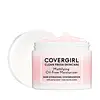
This oil-control moisturizer is formulated around Aluminum Starch Octenylsuccinate and 3-O-Ethyl Ascorbic Acid to balance excess oil.
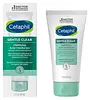
This acne moisturizer is formulated around Aluminum Starch Octenylsuccinate and Salicylic Acid to clear breakouts and balance excess oil.

What's inside
What's inside
 Key Ingredients
Benefits
Concerns
Ingredients Side-by-side
Water
Skin ConditioningGlycerin
Humectant


Butylene Glycol
Humectant
Bis-PEG-18 Methyl Ether Dimethyl Silane
EmollientAluminum Starch Octenylsuccinate
Absorbent
Sodium Polyacrylate
Absorbent
Polysorbate 80
Emulsifying

Hydroxyacetophenone
Antioxidant
Polymethylsilsesquioxane

1,2-Hexanediol
Skin Conditioning
Caprylyl Glycol
Emollient
Parfum
Masking



Opuntia Ficus-Indica Fruit Water
Antioxidant
3-O-Ethyl Ascorbic Acid
Skin Conditioning




Trisodium Ethylenediamine Disuccinate
ChelatingCitrus Reticulata Fruit Extract
Skin ProtectingCocos Nucifera Fruit Juice
Emollient
Citric Acid
Buffering
Tocopherol
Antioxidant


Sodium Benzoate
Masking
Potassium Sorbate
Preservative
Adenosine Phosphate
Skin ConditioningCI 14700
Cosmetic ColorantWater, Glycerin, Butylene Glycol, Bis-PEG-18 Methyl Ether Dimethyl Silane, Aluminum Starch Octenylsuccinate, Sodium Polyacrylate, Polysorbate 80, Hydroxyacetophenone, Polymethylsilsesquioxane, 1,2-Hexanediol, Caprylyl Glycol, Parfum, Opuntia Ficus-Indica Fruit Water, 3-O-Ethyl Ascorbic Acid, Trisodium Ethylenediamine Disuccinate, Citrus Reticulata Fruit Extract, Cocos Nucifera Fruit Juice, Citric Acid, Tocopherol, Sodium Benzoate, Potassium Sorbate, Adenosine Phosphate, CI 14700
Water
Skin ConditioningButylene Glycol
Humectant
Dimethicone
Emollient
Cetearyl Alcohol
Emollient

Sodium Polyacrylate
Absorbent
Glycerin
Humectant
Ceteareth-20
Cleansing
Ethylhexyl Palmitate
Emollient
Hydrogenated Polydecene
EmollientCetyl Alcohol
Emollient
Stearyl Alcohol
Emollient
Aluminum Starch Octenylsuccinate
Absorbent
Phenoxyethanol
Preservative
PPG-2 Myristyl Ether Propionate
Emollient
Alpha-Glucan Oligosaccharide
Cleansing
Salicylic Acid
Masking


Polysorbate 60
Emulsifying
Squalane
Emollient
Caprylic/Capric Glycerides
EmollientCaprylyl Glycol
Emollient
Zinc Gluconate
Skin Conditioning
C12-15 Alkyl Lactate
EmollientMorus Alba Root Extract
BleachingAllantoin
Skin Conditioning
Bisabolol
Antioxidant
Ethylhexylglycerin
Skin ConditioningHexylene Glycol
EmulsifyingSafflower Oil/Palm Oil Aminopropanediol Esters
Skin Conditioning
Sodium Hydroxide
BufferingPPG-5-Laureth-5
EmollientKojic Acid
Antioxidant
Disodium EDTA
ChelatingHydroxypropyl Cyclodextrin
MaskingSophora Angustifolia Root Extract
Skin ConditioningArctostaphylos Uva Ursi Leaf Extract
Skin Conditioning
Glycyrrhiza Glabra Root Extract
Bleaching
Polyquaternium-11
Scutellaria Baicalensis Root Extract
Astringent
Sodium Hyaluronate
Humectant
Water, Butylene Glycol, Dimethicone, Cetearyl Alcohol, Sodium Polyacrylate, Glycerin, Ceteareth-20, Ethylhexyl Palmitate, Hydrogenated Polydecene, Cetyl Alcohol, Stearyl Alcohol, Aluminum Starch Octenylsuccinate, Phenoxyethanol, PPG-2 Myristyl Ether Propionate, Alpha-Glucan Oligosaccharide, Salicylic Acid, Polysorbate 60, Squalane, Caprylic/Capric Glycerides, Caprylyl Glycol, Zinc Gluconate, C12-15 Alkyl Lactate, Morus Alba Root Extract, Allantoin, Bisabolol, Ethylhexylglycerin, Hexylene Glycol, Safflower Oil/Palm Oil Aminopropanediol Esters, Sodium Hydroxide, PPG-5-Laureth-5, Kojic Acid, Disodium EDTA, Hydroxypropyl Cyclodextrin, Sophora Angustifolia Root Extract, Arctostaphylos Uva Ursi Leaf Extract, Glycyrrhiza Glabra Root Extract, Polyquaternium-11, Scutellaria Baicalensis Root Extract, Sodium Hyaluronate
Reviews
Ingredients Explained
These ingredients are found in both products.
Ingredients higher up in an ingredient list are typically present in a larger amount.
Aluminum Starch Octenylsuccinate is a synthetic powder used as an absorbent, thickener, and anti-caking agent.
As an absorbent, it is great at mattifying skin by soaking up the oil. This is why you'll find it in a range of products from makeup to moisturizers.
This ingredient is considered a modified starch. Starch can also be found naturally in plants.
One study from 1991 found that 5% of this ingredient enhanced titanium dioxide SPF by as much as 40%. The study found 1% titanium dioxide had a 5.6 SPF and adding 5% of aluminum starch octenylsuccinate boosted it to an SPF of 8.1
Although “aluminum” in an ingredient name can raise red flags for some consumers, the form and usage context matter significantly. For typical topical applications, there is no substantial evidence of health risks - such as cancer, neurotoxicity, or systemic “aluminum overload.”
Learn more about Aluminum Starch OctenylsuccinateButylene Glycol (or BG) is used within cosmetic products for a few different reasons:
Overall, Butylene Glycol is a safe and well-rounded ingredient that works well with other ingredients.
Though this ingredient works well with most skin types, some people with sensitive skin may experience a reaction such as allergic rashes, closed comedones, or itchiness.
Learn more about Butylene GlycolCaprylyl Glycol is a humectant, skin conditioner, emollient, and preservative booster derived from either caprylic acid or synthetically created.
Typical use levels vary from 0.3-1% as a preservative booster and go up to 2% to condition skin.
Because it is not a free-fatty acid, this ingredient is fungal acne safe (there's nothing for Malassezia to feed on).
Learn more about Caprylyl GlycolGlycerin (or glycerol) is a compound naturally found in your skin. It's a powerhouse humectant that pulls water into the stratum corneum.
Topically, glycerin does several things at once:
Your skin makes glycerin on its own (mostly from sebaceous oil breakdown) and shuttles it to your outermost layer of skin, or your epidermis, via aquaporin-3.
Aquaporin-3 is a transporter that is essential for normal skin hydration, elasticity, and repair. Interestingly, mice lacking in AQP3 have dry and less elastic skin that can be fully corrected with glycerin.
This ingredient is non-irritating, plays well with almost every ingredient, and works across all skin types. Typical use is anywhere between 3-10% but can go up to 79% in some leave-on products.
Just know very high concentrations (>40%) can feel tacky in low humidity.
Glycerin is the name for this ingredient in American English. British English uses Glycerol/Glycerine.
Learn more about GlycerinSodium Polyacrylate is the sodium salt of polyacrylic acid. It is used as an absorber, emollient, and stabilizer.
This ingredient is a super-absorbent polymer - meaning it can absorb 100 to 1000 times its mass in water. As an emollient, Sodium Polyacrylate helps soften and soothe skin. Emollients work by creating a barrier to trap moisture in. This helps keep your skin hydrated.
Water. It's the most common cosmetic ingredient of all. You'll usually see it at the top of ingredient lists, meaning that it makes up the largest part of the product.
So why is it so popular? Water most often acts as a solvent - this means that it helps dissolve other ingredients into the formulation.
You'll also recognize water as that liquid we all need to stay alive. If you see this, drink a glass of water. Remember to stay hydrated!
Learn more about Water

