
What's inside
What's inside
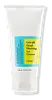 Key Ingredients
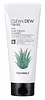
Benefits
Concerns
Ingredients Side-by-side
Water
Skin ConditioningCocamidopropyl Betaine
Cleansing


Sodium Lauroyl Methyl Isethionate
CleansingSodium Chloride
MaskingPolysorbate 20
Emulsifying
Styrax Japonicus Branch/Fruit/Leaf Extract
Skin ConditioningButylene Glycol
Humectant

Saccharomyces Ferment
Skin Conditioning
Cryptomeria Japonica Leaf Extract
HumectantNelumbo Nucifera Leaf Extract
Skin ConditioningPinus Palustris Leaf Extract
TonicUlmus Davidiana Root Extract
Skin Conditioning
Oenothera Biennis Flower Extract
AstringentPueraria Lobata Root Extract
HumectantMelaleuca Alternifolia Leaf Oil
Antioxidant




Allantoin
Skin Conditioning

Caprylyl Glycol
Emollient
Ethylhexylglycerin
Skin ConditioningBetaine Salicylate
Antimicrobial


Citric Acid
Buffering

Ethyl Hexanediol
Solvent1,2-Hexanediol
Skin Conditioning
Trisodium Ethylenediamine Disuccinate
Sodium Benzoate
Masking
Disodium EDTA
Water, Cocamidopropyl Betaine, Sodium Lauroyl Methyl Isethionate, Sodium Chloride, Polysorbate 20, Styrax Japonicus Branch/Fruit/Leaf Extract, Butylene Glycol, Saccharomyces Ferment, Cryptomeria Japonica Leaf Extract, Nelumbo Nucifera Leaf Extract, Pinus Palustris Leaf Extract, Ulmus Davidiana Root Extract, Oenothera Biennis Flower Extract, Pueraria Lobata Root Extract, Melaleuca Alternifolia Leaf Oil, Allantoin, Caprylyl Glycol, Ethylhexylglycerin, Betaine Salicylate, Citric Acid, Ethyl Hexanediol, 1,2-Hexanediol, Trisodium Ethylenediamine Disuccinate, Sodium Benzoate, Disodium EDTA
Water
Skin ConditioningAllantoin
Skin Conditioning
Tetrasodium EDTA
PEG-7 Glyceryl Cocoate
Emulsifying
Potassium Hydroxide
BufferingGlycerin
Humectant
Guar Hydroxypropyltrimonium Chloride
Skin ConditioningLauric Acid
Cleansing

Myristic Acid
Cleansing
Stearic Acid
Cleansing
PEG-75
HumectantGlyceryl Stearate
Emollient
PEG-100 Stearate
Polysorbate 20
Emulsifying
Tocopheryl Acetate
Antioxidant
Potassium Cocoyl Glycinate
Potassium Cocoate
Emulsifying
Cocamidopropyl Betaine
Cleansing
Sodium Chloride
MaskingEthylhexylglycerin
Skin ConditioningPhenoxyethanol
Preservative
Parfum
Masking
Aloe Barbadensis Leaf Extract
Emollient
Chamaecyparis Obtusa Water
MaskingHamamelis Virginiana Water
Astringent
Camellia Sinensis Leaf Water
Masking
Melaleuca Alternifolia Leaf Water
Antimicrobial1,2-Hexanediol
Skin Conditioning
Water, Allantoin, Tetrasodium EDTA, PEG-7 Glyceryl Cocoate, Potassium Hydroxide, Glycerin, Guar Hydroxypropyltrimonium Chloride, Lauric Acid, Myristic Acid, Stearic Acid, PEG-75, Glyceryl Stearate, PEG-100 Stearate, Polysorbate 20, Tocopheryl Acetate, Potassium Cocoyl Glycinate, Potassium Cocoate, Cocamidopropyl Betaine, Sodium Chloride, Ethylhexylglycerin, Phenoxyethanol, Parfum, Aloe Barbadensis Leaf Extract, Chamaecyparis Obtusa Water, Hamamelis Virginiana Water, Camellia Sinensis Leaf Water, Melaleuca Alternifolia Leaf Water, 1,2-Hexanediol
Reviews
Ingredients Explained
These ingredients are found in both products.
Ingredients higher up in an ingredient list are typically present in a larger amount.
1,2-Hexanediol is a synthetic liquid and another multi-functional powerhouse.
It is a:
- Humectant, drawing moisture into the skin
- Emollient, helping to soften skin
- Solvent, dispersing and stabilizing formulas
- Preservative booster, enhancing the antimicrobial activity of other preservatives
Allantoin is a soothing ingredient known for its protective and moisturizing properties; it's basically a quiet workhorse ingredient you can find in a huge range of cosmetics.
Though it can be derived from the comfrey plant, allantoin is produced synthetically for cosmetic products to ensure purity.
Research shows it can encourage your skin cells to turn over and renew by stimulating keratinocyte and fibroblast proliferation.
It also has mild keratolytic properties to help loosen and shed dead skin cells without being harsh.
Studies also suggest allantoin can help calm inflammation by dialing down some of the chemical signals your skin sends out when it is irritated.
This ingredient is typically used in the 0.1-0.5% range, and the FDA recognizes it as a skin protectant in OTC products up to 2%.
Overall, allantoin is a wonderful addition to most routines; it is stable across a wide pH range (~4-8), works well with other ingredients, and is considered non-sensitizing/non-irritating.
Fun fact: Allantoin is naturally occurring in comfrey root, beets, chamomile, and wheat sprouts. Our bodies even produce it as a byproduct of uric acid metabolism.
Learn more about AllantoinCocamidopropyl Betaine is a fatty acid created by mixing similar compounds in coconut oil and dimethylaminopropylamine, a compound with two amino groups.
This ingredient is a surfactant and cleanser. It helps gather the dirt, pollutants, and other impurities in your skin to be washed away. It also helps thicken a product and make the texture more creamy.
Being created from coconut oil means Cocamidopropyl Betaine is hydrating for the skin.
While Cocamidopropyl Betaine was believed to be an allergen, a study from 2012 disproved this. It found two compounds in unpure Cocamidopropyl Betaine to be the irritants: aminoamide and 3-dimethylaminopropylamine. High-grade and pure Cocamidopropyl Betaine did not induce allergic reactions during this study.
Learn more about Cocamidopropyl BetaineEthylhexylglycerin is created from glycerin. It is a multitasker ingredient that:
The CIR Expert Panel found minimal skin absorption or sensitization of any kind in a safety assessment. Though this ingredient is considered well-tolerated, a small number of cases of allergic dermatitis have been published since 2002. Just be sure to patch test if you are unsure.
Industry-reported use ranges from 8% in rinse-off products and 2% in leave-on formulations.
Learn more about EthylhexylglycerinPolysorbate 20 is a gentle, water-soluble emulsifier and mild surfactant. It stops oil and water from separating to keep your formulas blended and stable.
It also acts as a mild penetration enhancer by helping active ingredients absorb slightly better.
The common safety discussion around this ingredient involves a manufacturing byproduct called 1,4-dioxane.
Trace amounts can form during production but the EU's Scientific Committee on Consumer Safety has concluded that levels at/below 10 ppm in finished products are safe (commercial products consistently fall within acceptable margins).
True allergic reactions are uncommon and the CIR Expert Panel has confirmed this ingredient to be safe as used in cosmetics.
Because it is derived from lauric acid, it may not be fungal acne safe.
Learn more about Polysorbate 20Chances are, you eat sodium chloride every day. Sodium Chloride is also known as table salt. This ingredient has many purposes in skincare: thickener, emulsifier, and exfoliator.
You'll most likely find this ingredient in cleansers where it is used to create a gel-like texture. As an emulsifier, it also prevents ingredients from separating.
You might see people debate whether Sodium Chloride is comedogenic, but there actually haven't been any comedogenic tests done on it. Either way, the overall formulation of a product matters a lot more than any single ingredient.
You might see this ingredient used in scrubs as a primary exfoliating ingredient.
Learn more about Sodium ChlorideWater. It's the most common cosmetic ingredient of all. You'll usually see it at the top of ingredient lists, meaning that it makes up the largest part of the product.
So why is it so popular? Water most often acts as a solvent - this means that it helps dissolve other ingredients into the formulation.
You'll also recognize water as that liquid we all need to stay alive. If you see this, drink a glass of water. Remember to stay hydrated!
Learn more about Water
