
What's inside
What's inside
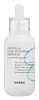 Key Ingredients
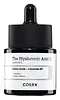
Benefits
Concerns
No concerns
Ingredients Side-by-side
Water
Skin ConditioningCentella Asiatica Extract
Cleansing





Dipropylene Glycol
HumectantGlycerin
Humectant
1,2-Hexanediol
Skin Conditioning
Betaine
Humectant
Chondrus Crispus Extract
Skin Conditioning
Saccharum Officinarum Extract
MoisturisingPentylene Glycol
Skin Conditioning
Octanediol
Ammonium Acryloyldimethyltaurate/Vp Copolymer
Xanthan Gum
EmulsifyingEthylhexylglycerin
Skin ConditioningAllantoin
Skin Conditioning
Madecassoside
Antioxidant
Panthenol
Skin Conditioning
Water
Skin ConditioningButylene Glycol
Humectant
Propanediol
Solvent
Glycerin
Humectant
Sodium Hyaluronate 3%
Humectant
Pentylene Glycol
Skin Conditioning
1,2-Hexanediol
Skin Conditioning
Diethoxyethyl Succinate
SolventSodium Polyacryloyldimethyl Taurate
Emulsion StabilisingBetaine
Humectant
Xanthan Gum
EmulsifyingDimethicone
Emollient
Hydroxyethyl Acrylate/Sodium Acryloyldimethyl Taurate Copolymer
Emulsion StabilisingSodium PCA
Humectant
Sodium Lactate
Buffering
PCA
Humectant
Glyceryl Acrylate/Acrylic Acid Copolymer
HumectantHydrogenated Lecithin
Emulsifying
Ethylhexylglycerin
Skin ConditioningSerine
Masking
Alanine
Masking
Glycine
Buffering
Sodium Phytate
Sorbitan Isostearate
Emulsifying
Pvm/Ma Copolymer
Emulsion StabilisingGlutamic Acid
Humectant
Citric Acid
Buffering


Lysine Hcl
Skin Conditioning
Threonine
Arginine
Masking
Sodium Methyl Stearoyl Taurate
CleansingProline
Skin Conditioning
Ceramide NP
Skin Conditioning
Cholesterol
Emollient
Caprylic/Capric Triglyceride
Masking
Phytosphingosine
Skin Conditioning
Stearic Acid
Cleansing
Oleic Acid
Emollient
Alcohol
Antimicrobial



Tocopherol
Antioxidant

Lactic Acid
Buffering

Caprylyl Glycol
Emollient
Caprylhydroxamic Acid
Water, Butylene Glycol, Propanediol, Glycerin, Sodium Hyaluronate 3%, Pentylene Glycol, 1,2-Hexanediol, Diethoxyethyl Succinate, Sodium Polyacryloyldimethyl Taurate, Betaine, Xanthan Gum, Dimethicone, Hydroxyethyl Acrylate/Sodium Acryloyldimethyl Taurate Copolymer, Sodium PCA, Sodium Lactate, PCA, Glyceryl Acrylate/Acrylic Acid Copolymer, Hydrogenated Lecithin, Ethylhexylglycerin, Serine, Alanine, Glycine, Sodium Phytate, Sorbitan Isostearate, Pvm/Ma Copolymer, Glutamic Acid, Citric Acid, Lysine Hcl, Threonine, Arginine, Sodium Methyl Stearoyl Taurate, Proline, Ceramide NP, Cholesterol, Caprylic/Capric Triglyceride, Phytosphingosine, Stearic Acid, Oleic Acid, Alcohol, Tocopherol, Lactic Acid, Caprylyl Glycol, Caprylhydroxamic Acid
Reviews
Ingredients Explained
These ingredients are found in both products.
Ingredients higher up in an ingredient list are typically present in a larger amount.
1,2-Hexanediol is a synthetic liquid and another multi-functional powerhouse.
It is a:
- Humectant, drawing moisture into the skin
- Emollient, helping to soften skin
- Solvent, dispersing and stabilizing formulas
- Preservative booster, enhancing the antimicrobial activity of other preservatives
Betaine is a humectant. Like hyaluronic acid, it helps attract and retain moisture in the skin. It’s known for being gentle and for helping the skin maintain balanced hydration.
Betaine is mainly used to improve hydration and support calmer skin. It helps skin cells regulate water balance because it functions as an osmolyte.
Some studies suggest betaine may support making skin tone more even.
Fun fact: Betaine naturally exists in the skin and the body. In cosmetic products, it can be either plant-derived (most commonly from sugar beets) or synthetically produced for consistency and stability.
Betaine is also known as trimethylglycine.
Learn more about BetaineEthylhexylglycerin is created from glycerin. It is a multitasker ingredient that:
The CIR Expert Panel found minimal skin absorption or sensitization of any kind in a safety assessment. Though this ingredient is considered well-tolerated, a small number of cases of allergic dermatitis have been published since 2002. Just be sure to patch test if you are unsure.
Industry-reported use ranges from 8% in rinse-off products and 2% in leave-on formulations.
Learn more about EthylhexylglycerinGlycerin (or glycerol) is a compound naturally found in your skin. It's a powerhouse humectant that pulls water into the stratum corneum.
Topically, glycerin does several things at once:
Your skin makes glycerin on its own (mostly from sebaceous oil breakdown) and shuttles it to your outermost layer of skin, or your epidermis, via aquaporin-3.
Aquaporin-3 is a transporter that is essential for normal skin hydration, elasticity, and repair. Interestingly, mice lacking in AQP3 have dry and less elastic skin that can be fully corrected with glycerin.
This ingredient is non-irritating, plays well with almost every ingredient, and works across all skin types. Typical use is anywhere between 3-10% but can go up to 79% in some leave-on products.
Just know very high concentrations (>40%) can feel tacky in low humidity.
Glycerin is the name for this ingredient in American English. British English uses Glycerol/Glycerine.
Learn more about GlycerinPentylene glycol is typically used within a product to thicken it. It also adds a smooth, soft, and moisturizing feel to the product. It is naturally found in plants such as sugar beets.
The hydrophilic trait of Pentylene Glycol makes it a humectant. As a humectant, Pentylene Glycol helps draw moisture from the air to your skin. This can help keep your skin hydrated.
This property also makes Pentylene Glycol a great texture enhancer. It can also help thicken or stabilize a product.
Pentylene Glycol also acts as a mild preservative and helps to keep a product microbe-free.
Some people may experience mild eye and skin irritation from Pentylene Glycol. We always recommend speaking with a professional about using this ingredient in your routine.
Pentylene Glycol has a low molecular weight and is part of the 1,2-glycol family.
Learn more about Pentylene GlycolWater. It's the most common cosmetic ingredient of all. You'll usually see it at the top of ingredient lists, meaning that it makes up the largest part of the product.
So why is it so popular? Water most often acts as a solvent - this means that it helps dissolve other ingredients into the formulation.
You'll also recognize water as that liquid we all need to stay alive. If you see this, drink a glass of water. Remember to stay hydrated!
Learn more about WaterXanthan gum is used as a stabilizer and thickener within cosmetic products. It helps give products a sticky, thick feeling - preventing them from being too runny.
On the technical side of things, xanthan gum is a polysaccharide - a combination consisting of multiple sugar molecules bonded together.
Xanthan gum is a pretty common and great ingredient. It is a natural, non-toxic, non-irritating ingredient that is also commonly used in food products.
Learn more about Xanthan Gum
