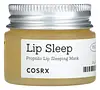
This hydrating lip mask is formulated around Petrolatum and Butyrospermum Parkii Butter to hydrate lips and strengthen the lip barrier.
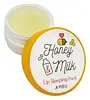
This hydrating lip mask is formulated around Petrolatum and Honey Extract to hydrate lips.

What's inside
What's inside
 Key Ingredients
Benefits
Concerns
Ingredients Side-by-side
Petrolatum
Emollient



Hydrogenated Polyisobutene
EmollientDiisostearyl Malate
EmollientPolyisobutene
Phytosteryl/Isostearyl/Cetyl/Stearyl/Behenyl Dimer Dilinoleate
Skin Conditioning

Butyrospermum Parkii Butter
Skin Conditioning


Microcrystalline Wax
Emulsion StabilisingSorbitan Sesquioleate
Emulsifying
Ethylene/Propylene/Styrene Copolymer
Euphorbia Cerifera Wax
Helianthus Annuus Seed Oil
Emollient
Butylene/Ethylene/Styrene Copolymer
Ethylhexylglycerin
Skin ConditioningGlycine Soja Oil
Emollient

Eclipta Prostrata Extract
Skin Conditioning
Beeswax
Emulsion Stabilising
Water
Skin ConditioningButylene Glycol
Humectant
Pentaerythrityl Tetra-Di-T-Butyl Hydroxyhydrocinnamate
Antioxidant
Honey Extract
Humectant
Melia Azadirachta Leaf Extract
Skin ConditioningBixa Orellana Seed Oil
Emollient
Royal Jelly Extract
Skin Conditioning
Glycerin
Humectant
Moringa Oleifera Seed Oil
Emollient
Propolis Extract
Skin Conditioning


1,2-Hexanediol
Skin Conditioning
Tocopherol
Antioxidant


Saccharomyces Ferment
Skin Conditioning
Honey
Humectant
Petrolatum, Hydrogenated Polyisobutene, Diisostearyl Malate, Polyisobutene, Phytosteryl/Isostearyl/Cetyl/Stearyl/Behenyl Dimer Dilinoleate, Butyrospermum Parkii Butter, Microcrystalline Wax, Sorbitan Sesquioleate, Ethylene/Propylene/Styrene Copolymer, Euphorbia Cerifera Wax, Helianthus Annuus Seed Oil, Butylene/Ethylene/Styrene Copolymer, Ethylhexylglycerin, Glycine Soja Oil, Eclipta Prostrata Extract, Beeswax, Water, Butylene Glycol, Pentaerythrityl Tetra-Di-T-Butyl Hydroxyhydrocinnamate, Honey Extract, Melia Azadirachta Leaf Extract, Bixa Orellana Seed Oil, Royal Jelly Extract, Glycerin, Moringa Oleifera Seed Oil, Propolis Extract, 1,2-Hexanediol, Tocopherol, Saccharomyces Ferment, Honey
Petrolatum
Emollient
Paraffinum Liquidum
Emollient
Polybutene
Microcrystalline Wax
Emulsion StabilisingSilica Silylate
Emollient
Paraffin
Skin Conditioning
Honey Extract
Humectant
Milk Protein Extract
Glycerin
Humectant
Polyethylene
Abrasive
Vp/Hexadecene Copolymer
Methyl Hydrogenated Rosinate
Perfuming

Tocopheryl Acetate
Antioxidant
Diisostearyl Malate
EmollientPolyglyceryl-2 Triisostearate
Emulsifying
Water
Skin ConditioningPropylene Glycol
Humectant
Dehydroacetic Acid
Preservative
Phenoxyethanol
Preservative
Parfum
Masking
CI 77891
Cosmetic ColorantCI 19140
Cosmetic ColorantPetrolatum, Paraffinum Liquidum, Polybutene, Microcrystalline Wax, Silica Silylate, Paraffin, Honey Extract, Milk Protein Extract, Glycerin, Polyethylene, Vp/Hexadecene Copolymer, Methyl Hydrogenated Rosinate, Tocopheryl Acetate, Diisostearyl Malate, Polyglyceryl-2 Triisostearate, Water, Propylene Glycol, Dehydroacetic Acid, Phenoxyethanol, Parfum, CI 77891, CI 19140
Reviews
Ingredients Explained
These ingredients are found in both products.
Ingredients higher up in an ingredient list are typically present in a larger amount.
Diisostearyl Malate is an emollient and most often used in lip products. It comes from isostearyl alcohol, a fatty acid, and malic acid, an AHA.
As an emollient, Diisostearyl Malate helps create a thin film on your skin to trap moisture in. This helps keep your skin soft and smooth.
Glycerin (or glycerol) is a compound naturally found in your skin. It's a powerhouse humectant that pulls water into the stratum corneum.
Topically, glycerin does several things at once:
Your skin makes glycerin on its own (mostly from sebaceous oil breakdown) and shuttles it to your outermost layer of skin, or your epidermis, via aquaporin-3.
Aquaporin-3 is a transporter that is essential for normal skin hydration, elasticity, and repair. Interestingly, mice lacking in AQP3 have dry and less elastic skin that can be fully corrected with glycerin.
This ingredient is non-irritating, plays well with almost every ingredient, and works across all skin types. Typical use is anywhere between 3-10% but can go up to 79% in some leave-on products.
Just know very high concentrations (>40%) can feel tacky in low humidity.
Glycerin is the name for this ingredient in American English. British English uses Glycerol/Glycerine.
Learn more about GlycerinThis ingredient comes from honey made by bees. It is hydrating, antibacterial, anti-aging, and skin soothing.
Honey also contains amino acids, peptides, Vitamins A, C, and E.
The humectant property of honey draws moisture from the air to your skin. This makes it great at helping to hydrate the skin.
Honey may help reduce the signs of aging due to its antioxidant properties. Fun fact: darker honey has more antioxidants than light honey. The antibacterial property of honey may make it effective at helping to treat acne by killing acne-causing bacteria.
Many people wonder if honey extract is vegan. It is technically a byproduct from bees. This is because honey is created from the digestive enzymes in a bee's stomach.
Remember to be kind to bees :) They are important for many ecosystems and are endangered.
Learn more about Honey ExtractMicrocrystalline Wax is derived from petroleum through a de-oiling process, then highly refined and purified before use in cosmetics.
In skincare formulations, it is used to improve texture and create a smooth, even consistency. It also helps stabilize products by preventing ingredients from separating.
Petrolatum is more commonly known as petroleum jelly. It is created by mixing waxes and mineral oils.
This ingredient is effective at reducing water loss by 99%. This is because it is an occlusive. Occlusives create a hydrophobic barrier on the skin to prevent evaporation. This property makes it great for hydrating dry skin.
Pro tip: Use occlusives, such as this ingredient, on damp skin for the best results.
The quality or origin of petrolatum is only known when disclosed by the brand. Most cosmetic petrolatum has gone through several purification stages.
Another benefit of occlusives is it protects your skin against infection or allergies.
Petrolatum is fungal acne safe. It is a hydrocarbon with no fatty acid structure, so Malassezia cannot metabolize it. In-vitro studies support negligible growth stimulation as well.
It's also worth noting that petrolatum has a comedogenic rating of 0. In updated rabbit ear testing (and in human testing), petrolatum was found to be not comedogenic. This means it didn’t promote comedone formation in standard models.
Learn more about PetrolatumWater. It's the most common cosmetic ingredient of all. You'll usually see it at the top of ingredient lists, meaning that it makes up the largest part of the product.
So why is it so popular? Water most often acts as a solvent - this means that it helps dissolve other ingredients into the formulation.
You'll also recognize water as that liquid we all need to stay alive. If you see this, drink a glass of water. Remember to stay hydrated!
Learn more about Water

