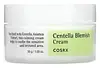
This acne moisturizer is formulated around Centella Asiatica Leaf Water and Zinc Oxide to clear breakouts and calm redness.


What's inside
What's inside
 Key Ingredients
No key ingredients
Benefits
Concerns
Ingredients Side-by-side
Centella Asiatica Leaf Water
Skin Conditioning


Butylene Glycol
Humectant
Glycerin
Humectant
Helianthus Annuus Seed Oil
Emollient


Zinc Oxide
Cosmetic Colorant


Dimethicone
Emollient
Betaine
Humectant
1,2-Hexanediol
Skin Conditioning
Viola Tricolor Extract
EmollientElaeis Guineensis Oil
Emollient

Elaeis Guineensis Kernel Oil
Emollient
Cetearyl Alcohol
Emollient


Cetearyl Olivate
Sorbitan Olivate
Emulsifying
Centella Asiatica Extract
Cleansing

Zinc PCA
Humectant


Hydroxyethyl Acrylate/Sodium Acryloyldimethyl Taurate Copolymer
Emulsion StabilisingXanthan Gum
EmulsifyingMelaleuca Alternifolia Leaf Oil
Antioxidant



Scutellaria Baicalensis Root Extract
Astringent
Centella Asiatica Leaf Water, Butylene Glycol, Glycerin, Helianthus Annuus Seed Oil, Zinc Oxide, Dimethicone, Betaine, 1,2-Hexanediol, Viola Tricolor Extract, Elaeis Guineensis Oil, Elaeis Guineensis Kernel Oil, Cetearyl Alcohol, Cetearyl Olivate, Sorbitan Olivate, Centella Asiatica Extract, Zinc PCA, Hydroxyethyl Acrylate/Sodium Acryloyldimethyl Taurate Copolymer, Xanthan Gum, Melaleuca Alternifolia Leaf Oil, Scutellaria Baicalensis Root Extract
Aminocaproic Acid
Stearyl Glycyrrhetinate
Skin ConditioningWater
Skin ConditioningButylene Glycol
Humectant
Glycerin
Humectant
Triethylhexanoin
MaskingDimethicone
Emollient
Pentylene Glycol
Skin Conditioning
Arachidyl Glucoside
EmulsifyingArachidyl Alcohol
Emollient
Behenyl Alcohol
Emollient
Diisostearyl Malate
EmollientPolymethyl Methacrylate
Trehalose
Humectant
Betaine
Humectant
Glyceryl Stearate Se
Emulsifying
Phytosteryl/Octyldodecyl Lauroyl Glutamate
Skin ConditioningIsostearic Acid
Cleansing
Phenoxyethanol
Preservative
Carbomer
Emulsion StabilisingSodium Citrate
BufferingAspartic Acid
Masking
Valine
MaskingProline
Skin Conditioning
Threonine
Isoleucine
Skin ConditioningHistidine
Humectant
Phenylalanine
Masking
Potassium Hydroxide
BufferingXanthan Gum
EmulsifyingPrunus Yedoensis Leaf Extract
Skin ConditioningActinidia Chinensis Fruit Extract
EmollientPolyquaternium-61
Skin ConditioningCitric Acid
Buffering

Leucine
Skin ConditioningSodium Lactate
Buffering
PCA
Humectant
Arginine
Masking
Sodium PCA
Humectant
Glycine
Buffering
Alanine
Masking
Hydrogenated Lecithin
Emulsifying
Serine
Masking
Polyglyceryl-10 Laurate
Skin Conditioning
Aminocaproic Acid, Stearyl Glycyrrhetinate, Water, Butylene Glycol, Glycerin, Triethylhexanoin, Dimethicone, Pentylene Glycol, Arachidyl Glucoside, Arachidyl Alcohol, Behenyl Alcohol, Diisostearyl Malate, Polymethyl Methacrylate, Trehalose, Betaine, Glyceryl Stearate Se, Phytosteryl/Octyldodecyl Lauroyl Glutamate, Isostearic Acid, Phenoxyethanol, Carbomer, Sodium Citrate, Aspartic Acid, Valine, Proline, Threonine, Isoleucine, Histidine, Phenylalanine, Potassium Hydroxide, Xanthan Gum, Prunus Yedoensis Leaf Extract, Actinidia Chinensis Fruit Extract, Polyquaternium-61, Citric Acid, Leucine, Sodium Lactate, PCA, Arginine, Sodium PCA, Glycine, Alanine, Hydrogenated Lecithin, Serine, Polyglyceryl-10 Laurate
Reviews
Ingredients Explained
These ingredients are found in both products.
Ingredients higher up in an ingredient list are typically present in a larger amount.
Betaine is a humectant. Like hyaluronic acid, it helps attract and retain moisture in the skin. It’s known for being gentle and for helping the skin maintain balanced hydration.
Betaine is mainly used to improve hydration and support calmer skin. It helps skin cells regulate water balance because it functions as an osmolyte.
Some studies suggest betaine may support making skin tone more even.
Fun fact: Betaine naturally exists in the skin and the body. In cosmetic products, it can be either plant-derived (most commonly from sugar beets) or synthetically produced for consistency and stability.
Betaine is also known as trimethylglycine.
Learn more about BetaineButylene Glycol (or BG) is used within cosmetic products for a few different reasons:
Overall, Butylene Glycol is a safe and well-rounded ingredient that works well with other ingredients.
Though this ingredient works well with most skin types, some people with sensitive skin may experience a reaction such as allergic rashes, closed comedones, or itchiness.
Learn more about Butylene GlycolDimethicone is a type of synthetic silicone created from natural materials such as quartz. It is also known as polydimethylsiloxane.
What it does:
Dimethicone comes in different viscosities:
Depending on the viscosity, dimethicone has different properties.
Ingredients lists don't always show which type is used, so we recommend reaching out to the brand if you have questions about the viscosity.
This ingredient is unlikely to cause irritation because it does not get absorbed into skin. However, people with silicone allergies should be careful about using this ingredient.
Note: Dimethicone may contribute to pilling. This is because it is not oil or water soluble, so pilling may occur when layered with products. When mixed with heavy oils in a formula, the outcome is also quite greasy.
Learn more about DimethiconeGlycerin (or glycerol) is a compound naturally found in your skin. It's a powerhouse humectant that pulls water into the stratum corneum.
Topically, glycerin does several things at once:
Your skin makes glycerin on its own (mostly from sebaceous oil breakdown) and shuttles it to your outermost layer of skin, or your epidermis, via aquaporin-3.
Aquaporin-3 is a transporter that is essential for normal skin hydration, elasticity, and repair. Interestingly, mice lacking in AQP3 have dry and less elastic skin that can be fully corrected with glycerin.
This ingredient is non-irritating, plays well with almost every ingredient, and works across all skin types. Typical use is anywhere between 3-10% but can go up to 79% in some leave-on products.
Just know very high concentrations (>40%) can feel tacky in low humidity.
Glycerin is the name for this ingredient in American English. British English uses Glycerol/Glycerine.
Learn more about GlycerinXanthan gum is used as a stabilizer and thickener within cosmetic products. It helps give products a sticky, thick feeling - preventing them from being too runny.
On the technical side of things, xanthan gum is a polysaccharide - a combination consisting of multiple sugar molecules bonded together.
Xanthan gum is a pretty common and great ingredient. It is a natural, non-toxic, non-irritating ingredient that is also commonly used in food products.
Learn more about Xanthan Gum

