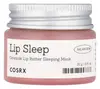
This hydrating lip mask is formulated around Butyrospermum Parkii Butter and Simmondsia Chinensis Seed Oil to hydrate lips and strengthen the lip barrier.
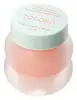
This hydrating lip mask is formulated around Olea Europaea Fruit Oil and Tocopheryl Acetate to hydrate lips.

What's inside
What's inside
 Key Ingredients
Benefits
Concerns
Ingredients Side-by-side
Bis-Diglyceryl Polyacyladipate-2
Emollient


Butyrospermum Parkii Butter
Skin Conditioning



Cocos Nucifera Oil
Masking


Ricinus Communis Seed Oil
Masking
Polyglyceryl-3 Distearate
Emulsifying
Phytosteryl/Isostearyl/Cetyl/Stearyl/Behenyl Dimer Dilinoleate
Skin Conditioning
Simmondsia Chinensis Seed Oil
Emollient
Caprylic/Capric Triglyceride
Masking
Beeswax
Emulsion Stabilising
Ozokerite
Emulsion StabilisingPolyethylene
Abrasive
Mangifera Indica Seed Butter
Skin Conditioning
Euphorbia Cerifera Wax
Glyceryl Stearate Citrate
Emollient
Ethylhexylglycerin
Skin ConditioningGlycerin
Humectant
Ceramide NP
Skin Conditioning



Phytosphingosine
Skin Conditioning
Bis-Diglyceryl Polyacyladipate-2, Butyrospermum Parkii Butter, Cocos Nucifera Oil, Ricinus Communis Seed Oil, Polyglyceryl-3 Distearate, Phytosteryl/Isostearyl/Cetyl/Stearyl/Behenyl Dimer Dilinoleate, Simmondsia Chinensis Seed Oil, Caprylic/Capric Triglyceride, Beeswax, Ozokerite, Polyethylene, Mangifera Indica Seed Butter, Euphorbia Cerifera Wax, Glyceryl Stearate Citrate, Ethylhexylglycerin, Glycerin, Ceramide NP, Phytosphingosine
Hydrogenated Polyisobutene
EmollientEthylene/Propylene/Styrene Copolymer
Butylene/Ethylene/Styrene Copolymer
Pentaerythrityl Tetra-Di-T-Butyl Hydroxyhydrocinnamate
Antioxidant
Phytosteryl/Isostearyl/Cetyl/Stearyl/Behenyl Dimer Dilinoleate
Skin Conditioning
Diisostearyl Malate
EmollientPolyglyceryl-2 Triisostearate
Emulsifying
Microcrystalline Wax
Emulsion StabilisingHydrogenated Poly(C6-14 Olefin)
EmollientOlea Europaea Fruit Oil
Masking
Bis-Behenyl/Isostearyl/Phytosteryl Dimer Dilinoleyl Dimer Dilinoleate
EmollientPolyethylene
Abrasive
Silica Dimethyl Silylate
EmollientSorbitan Sesquioleate
Emulsifying
Tocopheryl Acetate
Antioxidant

Eclipta Prostrata Extract
Skin Conditioning
Melia Azadirachta Leaf Extract
Skin ConditioningMoringa Oleifera Seed Oil
Emollient
Hippophae Rhamnoides Fruit Oil
Skin Protecting
Parfum
Masking

Dehydroacetic Acid
Preservative
Dimethicone
Emollient
Simmondsia Chinensis Seed Oil
Emollient
Punica Granatum Flower Extract
Skin Conditioning
Raspberry Seed Oil/Tocopheryl Succinate Aminopropanediol Esters
Skin Conditioning
Water
Skin ConditioningButylene Glycol
Humectant
1,2-Hexanediol
Skin Conditioning
Lactobionic Acid
Buffering




Hydrogenated Polyisobutene, Ethylene/Propylene/Styrene Copolymer, Butylene/Ethylene/Styrene Copolymer, Pentaerythrityl Tetra-Di-T-Butyl Hydroxyhydrocinnamate, Phytosteryl/Isostearyl/Cetyl/Stearyl/Behenyl Dimer Dilinoleate, Diisostearyl Malate, Polyglyceryl-2 Triisostearate, Microcrystalline Wax, Hydrogenated Poly(C6-14 Olefin), Olea Europaea Fruit Oil, Bis-Behenyl/Isostearyl/Phytosteryl Dimer Dilinoleyl Dimer Dilinoleate, Polyethylene, Silica Dimethyl Silylate, Sorbitan Sesquioleate, Tocopheryl Acetate, Eclipta Prostrata Extract, Melia Azadirachta Leaf Extract, Moringa Oleifera Seed Oil, Hippophae Rhamnoides Fruit Oil, Parfum, Dehydroacetic Acid, Dimethicone, Simmondsia Chinensis Seed Oil, Punica Granatum Flower Extract, Raspberry Seed Oil/Tocopheryl Succinate Aminopropanediol Esters, Water, Butylene Glycol, 1,2-Hexanediol, Lactobionic Acid
Reviews
Ingredients Explained
These ingredients are found in both products.
Ingredients higher up in an ingredient list are typically present in a larger amount.
This is a plant-derived ester that functions as a skin conditioner. It's basically a two linoleic acid molecules combined with fatty alcohols.
In practice, it works as a rich emollient that helps reduce moisture loss and give skin a soft appearance.
The phytosterol part of this ingredient brings an added structural bonus: phytosterols are structurally similar to cholesterol so they can fit right into the stratum corneum's lipid matrix to help reinforce the skin barrier.
Due to its molecular structure, this ingredient delivers a cushiony and glossy feeling without being excessively greasy.
It did not produce skin irritation or sensitization in clinical studies, and this ingredient is deemed safe to use in cosmetics at current practices.
Because this ingredient contains C16, C18, and C22 fatty chains, it may not be Malassezia/fungal acne safe. The Malassezia yeast potentially feeds on fatty acids in the C11-C24 range.
Learn more about Phytosteryl/Isostearyl/Cetyl/Stearyl/Behenyl Dimer DilinoleatePolyethylene is a synthetic ingredient that helps the skin retain moisture. It is a polymer.
It is also typically used within product formulations to help bind solid ingredients together and thicken oil-based ingredients. When added to balms and emulsions, it helps increase the melting point temperature.
Jojoba oil is one of the most well-studied plant-derived ingredients in cosmetics. It is an emollient with a special structure.
Because it is made up of 97-98% wax esters, it closely mirrors the linear monoesters found in human sebum. This makes it skin compatible, non-greasy, and lightweight.
Unlike other plant oils, jojoba wax doesn't easily penetrate skin. It mostly works in the uppermost layers as an emollient. This just means it forms a light barrier on the skin to help retain moisture.
Formulations with jojoba esters up to 90% reduced transepidermal water loss (TEWL) and increased barrier recovery by 81% (outperforming bisabolol at 47%).
Besides barrier support, the science also suggests jojoba to have anti-inflammatory effects and potential applications for skin infections, aging, and wound healing.
Fun fact: Indigenous cultures have used jojoba as a moisturizer and to help treat burns for centuries.
Fungal acne: The Malassezia yeast is known to metabolize fatty acids in the C11-24 range and jojoba's dominant fatty acid components fall into this range. This ingredient may not be fungal acne safe.
Learn more about Simmondsia Chinensis Seed Oil

