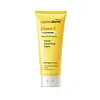
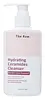
This mild cream cleanser is made to cleanse without leaving your skin tight or dry.

What's inside
What's inside
 Key Ingredients
Benefits
Concerns
Ingredients Side-by-side
Water
Skin ConditioningSodium Cocoamphoacetate
CleansingCocamidopropyl Betaine
Cleansing



Sodium C14-16 Olefin Sulfonate
Cleansing
Acrylates/Beheneth-25 Methacrylate Copolymer
Propylene Glycol
Humectant
Lauramine Oxide
CleansingGlycerin
Humectant

Ethoxydiglycol
HumectantSalicylic Acid
Masking







Tocopheryl Acetate
Antioxidant

Ceramide NP
Skin Conditioning



PEG-7 Glyceryl Cocoate
Emulsifying
Lactic Acid
Buffering

Sodium Carbonate
BufferingSodium Chloride
MaskingPolysorbate 20
Emulsifying
Parfum
Masking

Imidazolidinyl Urea
Preservative
Water, Sodium Cocoamphoacetate, Cocamidopropyl Betaine, Sodium C14-16 Olefin Sulfonate, Acrylates/Beheneth-25 Methacrylate Copolymer, Propylene Glycol, Lauramine Oxide, Glycerin, Ethoxydiglycol, Salicylic Acid, Tocopheryl Acetate, Ceramide NP, PEG-7 Glyceryl Cocoate, Lactic Acid, Sodium Carbonate, Sodium Chloride, Polysorbate 20, Parfum, Imidazolidinyl Urea
Water
Skin ConditioningDisodium Laureth Sulfosuccinate
CleansingCetyl Alcohol
Emollient
Propylene Glycol
Humectant
Glyceryl Stearate
Emollient
PEG-100 Stearate
Surfactant
Niacinamide
Smoothing
Squalane
Emollient
Butylene Glycol
Humectant
Ceramide NP
Skin Conditioning
Ceramide Ns
Skin Conditioning
Ceramide As
Skin Conditioning
Ceramide AP
Skin Conditioning
Ceramide EOP
Skin Conditioning
Hydrolyzed Centella Asiatica Extract
Antioxidant
Camellia Sinensis Leaf Extract
Antimicrobial
Polygonum Cuspidatum Root Extract
Antioxidant
Scutellaria Baicalensis Root Extract
Astringent
Glycyrrhiza Glabra Root Extract
Bleaching
Chamomilla Recutita Flower Extract
Masking
Rosmarinus Officinalis Leaf Extract
AntimicrobialDipotassium Glycyrrhizate
Humectant
Sodium Hyaluronate
Humectant
Panthenol
Skin Conditioning
Cholesterol
Emollient
Hydrogenated Lecithin
Emulsifying
Alpha-Glucan Oligosaccharide
Cleansing
Caprylyl Glycol
Emollient
1,2-Butanediol
HumectantDipropylene Glycol
HumectantHydroxyacetophenone
Antioxidant
Phenoxyethanol
Preservative
Ethylhexylglycerin
Skin ConditioningWater, Disodium Laureth Sulfosuccinate, Cetyl Alcohol, Propylene Glycol, Glyceryl Stearate, PEG-100 Stearate, Niacinamide, Squalane, Butylene Glycol, Ceramide NP, Ceramide Ns, Ceramide As, Ceramide AP, Ceramide EOP, Hydrolyzed Centella Asiatica Extract, Camellia Sinensis Leaf Extract, Polygonum Cuspidatum Root Extract, Scutellaria Baicalensis Root Extract, Glycyrrhiza Glabra Root Extract, Chamomilla Recutita Flower Extract, Rosmarinus Officinalis Leaf Extract, Dipotassium Glycyrrhizate, Sodium Hyaluronate, Panthenol, Cholesterol, Hydrogenated Lecithin, Alpha-Glucan Oligosaccharide, Caprylyl Glycol, 1,2-Butanediol, Dipropylene Glycol, Hydroxyacetophenone, Phenoxyethanol, Ethylhexylglycerin
Reviews
Ingredients Explained
These ingredients are found in both products.
Ingredients higher up in an ingredient list are typically present in a larger amount.
Ceramide NP (formerly known as Ceramide 3) is one of the skin's naturally occurring lipids.
Since ceramides are the major lipid components of the skin, they are crucial for maintaining skin barrier and hydration. Ceramide NP most closely mirrors the dominant kind in human skin amongst ceramide subtypes.
This ceramide works by slotting into gaps within the stratum corneum's lipid matrix to limit trans-epidermal water loss (TEWL) and shield the skin against external irritants.
A study with 312 patients found that using a ceramide-containing routine for 4 weeks reduced the severity of atopic dermatitis by over 61%.
Another clinical study in subjects aged 60 and older found that a ceramide body wash and moisturizer improved skin dryness and itchy skin in 15 days.
Overall, ceramides are considered non-irritating and safety tests have found little to no observable adverse effects from using this ingredient.
Ceramide NP is usually sourced from plants (like soybean or rice bran), or produced synthetically.
Learn more about Ceramide NPPropylene Glycol is a synthetic, colorless, odorless liquid that has been a staple in cosmetics for decades. It is a skin conditioning agent, humectant, and solvent.
As a humectant, it draw water to the skin to reduce flaking and restore suppleness. It's also a solvent that helps dissolve other actives and keeps formulas stable across temperature changes.
The CIR Expert Panel has confirmed this ingredient to be nontoxic and clinical studies show no sensitization at cosmetic use concentrations.
True allergic reactions are quite rare: a 15-year retrospective study of 6,751 patients found only 0.31% had a positive reaction (and less than half were considered clinically relevant).
It seemed that when sensitization does occur, it's most commonly linked to topical medication (like corticosteroids) and not cosmetics. Allergic contact dermatitis also appears largely limited to individuals with underlying skin conditions.
Overall, propylene glycol is a well-studied ingredient that most people can tolerate without issue.
Learn more about Propylene GlycolWater. It's the most common cosmetic ingredient of all. You'll usually see it at the top of ingredient lists, meaning that it makes up the largest part of the product.
So why is it so popular? Water most often acts as a solvent - this means that it helps dissolve other ingredients into the formulation.
You'll also recognize water as that liquid we all need to stay alive. If you see this, drink a glass of water. Remember to stay hydrated!
Learn more about Water

