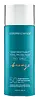
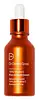
Colorescience Sunforgettable Total Protection Face Shield Bronze SPF 50 Versus Dr. Dennis Gross Skincare Vitamin C Lactic 15% Firm & Bright Serum
This hybrid sunscreen covers the full UV range and blocks ~98% of UVB at SPF 50.
This anti-aging serum is formulated around Ascorbic Acid and Lactic Acid to soften the look of wrinkles and brighten dull-looking skin.

What's inside
What's inside
 Key Ingredients
Benefits
Concerns
Ingredients Side-by-side
Zinc Oxide 12%
Cosmetic Colorant


Water
Skin ConditioningC12-15 Alkyl Benzoate
AntimicrobialButyloctyl Salicylate
Skin Conditioning
Isododecane
EmollientLauryl PEG-8 Dimethicone
Surfactant
Dimethicone/Vinyl Dimethicone Crosspolymer
Skin Conditioning
Propanediol
Solvent

Dimethicone
Emollient
Caprylyl Methicone
Skin Conditioning
Niacinamide
Smoothing








Tridecyl Salicylate
Skin Conditioning
Mica
Cosmetic ColorantTrilaureth-4 Phosphate
EmulsifyingDimethiconol
Emollient
Lauryl PEG-10 Tris(Trimethylsiloxy)Silylethyl Dimethicone
Emulsifying
Maltodextrin
Absorbent
Sodium Chloride
MaskingBisabolol
Antioxidant
Disodium Lauriminodipropionate
CleansingTocopheryl Phosphate
CleansingEthylhexylglycerin
Skin ConditioningAllantoin
Skin Conditioning
Tremella Fuciformis Sporocarp Extract
Antioxidant
Isoceteth-10
EmulsifyingSilica
Abrasive
Dimethylmethoxy Chromanol
Antioxidant
Caesalpinia Spinosa Fruit Pod Extract
Helianthus Annuus Sprout Extract
Skin ConditioningCaprylyl Glycol
Emollient
Hexylene Glycol
EmulsifyingTetrasodium Glutamate Diacetate
ChelatingSodium Hydroxide
BufferingDehydroacetic Acid
Preservative
Phenoxyethanol
Preservative
Sodium Benzoate
Masking
Benzoic Acid
Masking
Titanium Dioxide
Cosmetic Colorant
CI 77891
Cosmetic ColorantIron Oxides
CI 77491
Cosmetic ColorantCI 77492
Cosmetic ColorantCI 77499
Cosmetic ColorantZinc Oxide 12%, Water, C12-15 Alkyl Benzoate, Butyloctyl Salicylate, Isododecane, Lauryl PEG-8 Dimethicone, Dimethicone/Vinyl Dimethicone Crosspolymer, Propanediol, Dimethicone, Caprylyl Methicone, Niacinamide, Tridecyl Salicylate, Mica, Trilaureth-4 Phosphate, Dimethiconol, Lauryl PEG-10 Tris(Trimethylsiloxy)Silylethyl Dimethicone, Maltodextrin, Sodium Chloride, Bisabolol, Disodium Lauriminodipropionate, Tocopheryl Phosphate, Ethylhexylglycerin, Allantoin, Tremella Fuciformis Sporocarp Extract, Isoceteth-10, Silica, Dimethylmethoxy Chromanol, Caesalpinia Spinosa Fruit Pod Extract, Helianthus Annuus Sprout Extract, Caprylyl Glycol, Hexylene Glycol, Tetrasodium Glutamate Diacetate, Sodium Hydroxide, Dehydroacetic Acid, Phenoxyethanol, Sodium Benzoate, Benzoic Acid, Titanium Dioxide, CI 77891, Iron Oxides, CI 77491, CI 77492, CI 77499
Water
Skin ConditioningDipropylene Glycol
HumectantAscorbic Acid
Antioxidant
Dimethyl Isosorbide
SolventRicinoleth-40
CleansingAminomethyl Propanol
BufferingLactic Acid
Buffering


Tocopherol
Antioxidant
Glycyrrhiza Glabra Root Extract
Bleaching
Ferulic Acid
Antimicrobial
Morus Alba Fruit Extract
Antioxidant
Sodium Hyaluronate
Humectant
Glycolic Acid
Buffering
Adenosine
Skin Conditioning
Glycerin
Humectant
Phenoxyethanol
Preservative
Reviews
Ingredients Explained
These ingredients are found in both products.
Ingredients higher up in an ingredient list are typically present in a larger amount.
Phenoxyethanol is one of the most widely used preservatives in skincare (and for good reason!).
It has a large spectrum of antimicrobial activity and especially effective bacteria, yeast, and mold while only having a weak effect on your skin's natural microbiome.
On a cellular level, it disrupts the cell membranes of microbes by poking holes that make the cell leak. This shuts down the chemical reactions the microbe needs to make energy so it can no longer survive.
Another perk of this ingredient is that it stays functional across a wide pH range (3-10).
You'll often see it paired with boosters like Ethylhexylglycerin; one study showed that a 1:9 ratio of Ethylhexylglycerin to Phenoxyethanol damages bacterial membranes as effectively as doubling the Phenoxyethanol concentration on its own.
Typical use concentrations range from 0.3-1% depending on the formula, and this ingredient is capped at 1% int the EU.
Safety-wise, the fear mongering does not hold up to the evidence. The EU's Scientific Committee on Consumer Safety and FDA consider it safe as a preservative at up to 1%, including for children of all ages.
Adverse systemic effects only showed up in animal studies at exposures roughly 200x higher than what people get from cosmetics. And despite its very widespread use, this ingredient is a rare sensitizer and allergic reactions are uncommon.
Learn more about PhenoxyethanolWater. It's the most common cosmetic ingredient of all. You'll usually see it at the top of ingredient lists, meaning that it makes up the largest part of the product.
So why is it so popular? Water most often acts as a solvent - this means that it helps dissolve other ingredients into the formulation.
You'll also recognize water as that liquid we all need to stay alive. If you see this, drink a glass of water. Remember to stay hydrated!
Learn more about Water

