Colibri Skincare Refining Eye Cream Versus Volition Beauty Grenache Retinol Eye Cream with Peptides + Hyaluronic Acid
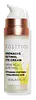
This anti-aging eye moisturizer is formulated around Niacinamide and Astaxanthin to soften the look of wrinkles and strengthen the skin barrier.
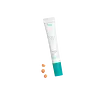
This anti-aging eye moisturizer is formulated around Hydroxypinacolone Retinoate and Niacinamide to soften the look of wrinkles and refine skin texture.


What's inside
What's inside
 Key Ingredients
Benefits
Concerns
Ingredients Side-by-side
Water
Skin ConditioningGlycerin
Humectant


Caprylic/Capric Triglyceride
Masking
Squalane
Emollient
Butyrospermum Parkii Butter
Skin Conditioning




Glyceryl Stearate Citrate
Emollient
Cetearyl Alcohol
Emollient
Niacinamide
Smoothing








Glucosyl Hesperidin
HumectantHyaluronic Acid
Humectant
Hydrolyzed Sodium Hyaluronate
Skin Conditioning
Tremella Fuciformis Sporocarp Extract
Antioxidant
Astaxanthin
Skin Conditioning
Acetyl Tetrapeptide-5
Humectant
Sodium Acetylated Hyaluronate
Humectant
Glyceryl Stearate
Emollient
Sodium Levulinate
Skin ConditioningTocopheryl Acetate
Antioxidant
Glyceryl Caprylate
EmollientSodium Anisate
AntimicrobialHelianthus Annuus Seed Oil
Emollient
Tocopherol
Antioxidant
Pentylene Glycol
Skin Conditioning
Isomalt
HumectantCorn Starch Modified
AbsorbentSodium Hyaluronate
Humectant
Acetyl Glucosamine
Skin Conditioning
Ascorbic Acid
Antioxidant
Xanthan Gum
EmulsifyingSilica
Abrasive
Water, Glycerin, Caprylic/Capric Triglyceride, Squalane, Butyrospermum Parkii Butter, Glyceryl Stearate Citrate, Cetearyl Alcohol, Niacinamide, Glucosyl Hesperidin, Hyaluronic Acid, Hydrolyzed Sodium Hyaluronate, Tremella Fuciformis Sporocarp Extract, Astaxanthin, Acetyl Tetrapeptide-5, Sodium Acetylated Hyaluronate, Glyceryl Stearate, Sodium Levulinate, Tocopheryl Acetate, Glyceryl Caprylate, Sodium Anisate, Helianthus Annuus Seed Oil, Tocopherol, Pentylene Glycol, Isomalt, Corn Starch Modified, Sodium Hyaluronate, Acetyl Glucosamine, Ascorbic Acid, Xanthan Gum, Silica
Water
Skin ConditioningButylene Glycol
Humectant
Glycerin
Humectant
Propanediol
Solvent
C13-15 Alkane
SolventHydroxyethyl Acrylate/Sodium Acryloyldimethyl Taurate Copolymer
Emulsion StabilisingCaprylic/Capric Triglyceride
Masking
Vitis Vinifera Seed Oil
Emollient
Hydroxypinacolone Retinoate
Skin Conditioning
Acetyl Tetrapeptide-5
Humectant
Sodium Hyaluronate
Humectant
Hyaluronic Acid
Humectant
Niacinamide
Smoothing
Butyrospermum Parkii Butter
Skin Conditioning
Pentylene Glycol
Skin Conditioning
Dimethyl Isosorbide
SolventXanthan Gum
EmulsifyingCaprylyl Glycol
Emollient
Ethylhexylglycerin
Skin ConditioningHydroxypropylcellulose
EmulsifyingCitric Acid
Buffering
Silica
Abrasive
Water, Butylene Glycol, Glycerin, Propanediol, C13-15 Alkane, Hydroxyethyl Acrylate/Sodium Acryloyldimethyl Taurate Copolymer, Caprylic/Capric Triglyceride, Vitis Vinifera Seed Oil, Hydroxypinacolone Retinoate, Acetyl Tetrapeptide-5, Sodium Hyaluronate, Hyaluronic Acid, Niacinamide, Butyrospermum Parkii Butter, Pentylene Glycol, Dimethyl Isosorbide, Xanthan Gum, Caprylyl Glycol, Ethylhexylglycerin, Hydroxypropylcellulose, Citric Acid, Silica
Ingredients Explained
These ingredients are found in both products.
Ingredients higher up in an ingredient list are typically present in a larger amount.
Acetyl Tetrapeptide-5 is a peptide that goes by another name, eyeseryl, due to claims that it can help reduce eye puffiness.
The manufacturer claims this ingredient reduces eye puffiness by:
An in-vivo study from the manufacturer found 95% of volunteers saw eye bag improvement by the end of the study.
Eye puffiness is caused by two major factors: fluid retention and fat.
Those with fluid retention may see improvement from using this ingredient. However, those with eye fat will need surgical intervention in order to get rid of puffiness.
Learn more about Acetyl Tetrapeptide-5This ingredient is also known as shea butter. It is a plant-derived extract from the nuts of the Africa shea tree and one of the most well-studied emollients.
Because it has a high concentration of fatty acids (primarily oleic, stearic, and linoleic) it is able to form a protective barrier on the skin's surface. This helps seal in moisture and prevents transepidermal water loss (TEWL).
In vitro research found an increase in skin hydration by 58% and a decrease in TEWL by 37.8% after 24 hours of applying this ingredient (pretty impressive for a single ingredient!).
Besides hydration, shea butter also contains triterpenes that have anti-inflammatory potential. In particule, lupeol cinnamate has shown the highest anti-inflammatory activity in vivo.
Shea butter also contains vitamins A and E which may contribute to antioxidant activity.
While Shea Butter has an SPF rating of about 3-4, it is not a sunscreen replacement.
This ingredient may not be fungal acne safe because its fatty acids fall within the C11-C24 range that the Malassezia yeast can metabolize.
This ingredient shows up on a lot of "pore-clogging" lists but there's no real evidence behind that. It doesn't even have a comedogenic rating from an actual study; the numbers you'll find online come from blogs citing other blogs.
Ratings for other ingredients mostly come from a 1980s rabbit ear test. This test doesn't translate well to human skin or to real products because the ingredient sits at a much lower percentage.
Some people still find it breaks them out. So if that's you, definitely trust your skin. Just know this one's based on experience and not evidence.
Learn more about Butyrospermum Parkii ButterCaprylic/Capric Triglyceride (aka MCT Oil) is a lightweight emollient, solvent, and texture enhancer. It is considered a skin-softener by helping to prevent moisture loss.
Though it behaves like an oil, it is not technically one due to its chemical composition. One perk of this ingredient is that it is very stable, resistant to oxidation, and unlikely to go rancid.
In practice, that translates to a long shelf life and a consistently elegant skin feel.
While there is an assumption Caprylic Triglyceride can clog pores due to it being derived from coconut oil, there is no research supporting this. Just patch test if you have concerns.
Fractionated coconut oil and MCT Oil are both listed as Caprylic/Capric Triglyceride according to INCI. This is because INCI names are based on the ingredient’s final chemical composition and not its marketing name or source.
This ingredient is treated as the gold standard fungal acne safe oil. Even though it is coconut derived, the problematic lauric acid is stripped out.
This leaves just caprylic (C8) and capric (C10) acid. These chain lengths actually trend antifungal; a 2020 study found caprylic acid was enough to disrupt Malassezia furfur cell membrane, with a caprylic acid derivative damaging membrane structures at concentrations as low as 0.2%.
Learn more about Caprylic/Capric TriglycerideGlycerin (or glycerol) is a compound naturally found in your skin. It's a powerhouse humectant that pulls water into the stratum corneum.
Topically, glycerin does several things at once:
Your skin makes glycerin on its own (mostly from sebaceous oil breakdown) and shuttles it to your outermost layer of skin, or your epidermis, via aquaporin-3.
Aquaporin-3 is a transporter that is essential for normal skin hydration, elasticity, and repair. Interestingly, mice lacking in AQP3 have dry and less elastic skin that can be fully corrected with glycerin.
This ingredient is non-irritating, plays well with almost every ingredient, and works across all skin types. Typical use is anywhere between 3-10% but can go up to 79% in some leave-on products.
Just know very high concentrations (>40%) can feel tacky in low humidity.
Glycerin is the name for this ingredient in American English. British English uses Glycerol/Glycerine.
Learn more about GlycerinHyaluronic acid (HA) is a glycosaminoglycan (basically a long sugar chain) that your skin already makes on its own. In your skin, HA lives in the extracellular matrix and acts as the body's moisture reservoir.
Topically, HA is a humectant that binds water and helps skin look more plump, smooth, and hydrated.
The only catch is that HA isn't a single thing; it actually comes in a wide range of molecular weights (~50 - 2,000+ kDA) and size matters.
Some clinical evidence links low molecular weight versions to improved wrinkle depth, elasticity, anti-inflammatory effects, and barrier repair.
This is why the best HA serums blend the two sizes together so you get the best of both worlds.
The majority of cosmetic HA is produced by bacterial fermentation, typically using Streptococcus or Bacillus strains. Typical use levels in skincare sit around 0.1-2%.
A clinical study using a 0.2% low-molecular weight HA gel showed improvement in facial seborrheic dermatitis with excellent tolerance.
These are some other common types of Hyaluronic Acid:
Learn more about Hyaluronic AcidNiacinamide is a multitasking form of vitamin B3 that strengthens the skin barrier, reduces pores and dark spots, regulates oil, and improves signs of aging.
And the best part? It's gentle and well-tolerated by most skin types, including sensitive and reactive skin.
You might have heard of "niacin flush", or the reddening of skin that causes itchiness. Niacinamide has not been found to cause this.
In very rare cases, some individuals may not be able to tolerate niacinamide at all or experience an allergic reaction to it.
If you are experiencing flaking, irritation, and dryness with this ingredient, be sure to double check all your products as this ingredient can be found in all categories of skincare.
When incorporating niacinamide into your routine, look out for concentration amounts. Typically, 5% niacinamide provides benefits such as fading dark spots. However, if you have sensitive skin, it is better to begin with a smaller concentration.
When you apply niacinamide to your skin, your body converts it into nicotinamide adenine dinucleotide (NAD). NAD is an essential coenzyme that is already found in your cells as "fuel" and powers countless biological processes.
In your skin, NAD helps repair cell damage, produce new healthy cells, support collagen production, strengthen the skin barrier, and fight environmental stressors (like UV and pollution).
Our natural NAD levels start to decline with age, leading to slower skin repair, visible aging, and a weaker skin barrier. By providing your skin niacinamide, you're recharging your skin's NAD levels. This leads to stronger, healthier, and younger looking skin.
Another name for vitamin B3 is nicotinamide. This vitamin is water-soluble and our bodies don't store it. We obtain Vitamin B3 from either food or skincare. Meat, fish, wheat, yeast, and leafy greens contain vitamin B3.
The type of niacinamide used in skincare is synthetically created.
Learn more about NiacinamidePentylene Glycol (1,2-pentanediol) is a multitasking little diol with three main roles in a formula:
Research on alkanediols (the family pentylene glycol belongs to) show they work by disrupting microbial cell membranes. This disruption helps the primary preservative system in a product work more effectively at lower doses.
On the safety side, the Cosmetic Ingredient Review Expert Panel has concluded this ingredient to be safe as used in current cosmetic practices + concentrations.
Typical use levels in a formula run about 1-5%.
Learn more about Pentylene GlycolSilica, also known as silicon dioxide, is a naturally occurring mineral. It is used as a fine, spherical, and porous powder in cosmetics.
Though it has exfoliant properties, the function of silica varies depending on the product.
The unique structure of silica enhances the spreadability and adds smoothness, making it a great texture enhancer.
It is also used as an active carrier, emulsifier, and mattifier due to its ability to absorb excess oil.
In some products, tiny microneedles called spicules are made from silica or hydrolyzed sponge. When you rub them in, they lightly polish away dead skin layers and enhance the penetration of active ingredients.
Learn more about SilicaSodium Hyaluronate is the salt form of hyaluronic acid. It is a long sugar chain that is naturally found in your skin, joints, and connective tissue that maintains hydration and elasticity.
In skincare, it works as a humectant. It pulls water from the environment and deeper layers of skin and binds it to the surface.
Interestingly, the size of the molecule affects its behavior:
Some clinical evidence links low molecular weight versions to improved wrinkle depth, elasticity, anti-inflammatory effects, and barrier repair.
Many serums use a blend of both weights so you can get surface hydration plus longer-lasting and deeper effects.
You'll typically see concentrations between 0.1-2% for this ingredient.
Learn more about Sodium HyaluronateWater. It's the most common cosmetic ingredient of all. You'll usually see it at the top of ingredient lists, meaning that it makes up the largest part of the product.
So why is it so popular? Water most often acts as a solvent - this means that it helps dissolve other ingredients into the formulation.
You'll also recognize water as that liquid we all need to stay alive. If you see this, drink a glass of water. Remember to stay hydrated!
Learn more about WaterXanthan gum is used as a stabilizer and thickener within cosmetic products. It helps give products a sticky, thick feeling - preventing them from being too runny.
On the technical side of things, xanthan gum is a polysaccharide - a combination consisting of multiple sugar molecules bonded together.
Xanthan gum is a pretty common and great ingredient. It is a natural, non-toxic, non-irritating ingredient that is also commonly used in food products.
Learn more about Xanthan Gum

