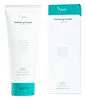
This mild cream cleanser is made to cleanse without leaving your skin tight or dry.
This mild cream cleanser is made to cleanse without leaving your skin tight or dry.


What's inside
What's inside
 Key Ingredients
Benefits
Concerns
Ingredients Side-by-side
Water
Skin ConditioningSodium Cocoyl Isethionate
Cleansing
Coco-Caprylate
Emollient
Pentylene Glycol
Skin Conditioning
Glycerin
Humectant
Polyglyceryl-3 Cetyl Ether
EmulsifyingSodium Stearoyl Glutamate
CleansingBehenyl Alcohol
Emollient
Prunus Amygdalus Dulcis Oil
Skin Conditioning




Ceramide NP
Skin Conditioning



Ceramide AP
Skin Conditioning
Ceramide As
Skin Conditioning
Ceramide EOP
Skin Conditioning
Ceramide Ns
Skin Conditioning
Kaolin
Abrasive



Malic Acid
Buffering



Lauric Acid
Cleansing
Sodium Lauroyl Oat Amino Acids
CleansingSodium Cocoyl Glycinate
Cleansing
Sesamum Indicum Seed Oil
Emollient
Hydrogenated Lecithin
Emulsifying
Dipropylene Glycol
HumectantXanthan Gum
EmulsifyingGlyceryl Stearate
Emollient
Sucrose Distearate
Emollient
Cholesterol
Emollient
Water, Sodium Cocoyl Isethionate, Coco-Caprylate, Pentylene Glycol, Glycerin, Polyglyceryl-3 Cetyl Ether, Sodium Stearoyl Glutamate, Behenyl Alcohol, Prunus Amygdalus Dulcis Oil, Ceramide NP, Ceramide AP, Ceramide As, Ceramide EOP, Ceramide Ns, Kaolin, Malic Acid, Lauric Acid, Sodium Lauroyl Oat Amino Acids, Sodium Cocoyl Glycinate, Sesamum Indicum Seed Oil, Hydrogenated Lecithin, Dipropylene Glycol, Xanthan Gum, Glyceryl Stearate, Sucrose Distearate, Cholesterol
Water
Skin ConditioningCocamidopropyl Hydroxysultaine
Cleansing
Behenyl Alcohol
Emollient
Polyacrylate Crosspolymer-6
Emulsion StabilisingPolyglyceryl-2 Stearate
Emulsifying
Glyceryl Stearate
Emollient
Pentylene Glycol
Skin Conditioning
Glycolipids
Skin ConditioningSphingomonas Ferment Extract
Skin Conditioning
Allantoin
Skin Conditioning
Ceramide NP
Skin Conditioning
Ceramide AP
Skin Conditioning
Ceramide EOP
Skin Conditioning
Persea Gratissima Oil
Skin Conditioning
Sodium Phytate
ChelatingSodium Lauroyl Lactylate
EmulsifyingPolylysine
Phytosphingosine
Skin Conditioning
Cholesterol
Emollient
Sodium Methyl Cocoyl Taurate
Cleansing
Xanthan Gum
EmulsifyingCarbomer
Emulsion StabilisingPhenoxyethanol
Preservative
Stearyl Alcohol
Emollient
Citric Acid
Buffering
Trisodium Ethylenediamine Disuccinate
ChelatingPolyglyceryl-6 Dicaprate
EmulsifyingEthylhexylglycerin
Skin ConditioningWater, Cocamidopropyl Hydroxysultaine, Behenyl Alcohol, Polyacrylate Crosspolymer-6, Polyglyceryl-2 Stearate, Glyceryl Stearate, Pentylene Glycol, Glycolipids, Sphingomonas Ferment Extract, Allantoin, Ceramide NP, Ceramide AP, Ceramide EOP, Persea Gratissima Oil, Sodium Phytate, Sodium Lauroyl Lactylate, Polylysine, Phytosphingosine, Cholesterol, Sodium Methyl Cocoyl Taurate, Xanthan Gum, Carbomer, Phenoxyethanol, Stearyl Alcohol, Citric Acid, Trisodium Ethylenediamine Disuccinate, Polyglyceryl-6 Dicaprate, Ethylhexylglycerin
Reviews
Ingredients Explained
These ingredients are found in both products.
Ingredients higher up in an ingredient list are typically present in a larger amount.
Behenyl Alcohol is a type of fatty alcohol (these are different from the drying, solvent alcohols).
Fatty Alcohols have hydrating properties and are most often used as an emollient or to thicken a product. They are usually derived from natural fats and oils; behenyl alcohol is derived from the fats of vegetable oils.
Emollients help keep your skin soft and hydrated by creating a film that traps moisture in.
In 2000, Behenyl Alcohol was approved by the US as medicine to reduce the duration of cold sores.
Learn more about Behenyl AlcoholCeramide AP is is a skin-identical lipid that mimics what your skin already makes naturally. Ceramides help maintain epidermal integrity and barrier function.
You'll often see this ingredient paired with other ceramides (like ceramide NP), cholesterol, or fatty acids because this combination best mimics the natural lipid mix your skin already has.
The skin's ability to produce ceramides gets disrupted in skin conditions like eczema. This in turn weakens the skin barrier and applying ceramides topically has been shown to replenish what's been lost to restore barrier function.
Most of the studies with Ceramide AP test it as part of a multi-ceramide complex; studies reinforce ceramide AP's role in rebalancing ceramides in skin and improving skin hydration.
Learn more about Ceramide APCeramide EOP is formally known as Ceramide 1.
It is naturally found in skin and part of the intercellular "mortar" holding everything together in your outermost layer.
EOP stands for a linked Ester fatty acid, a linked Omega hydroxy fatty acid, and the Phytosphingosine base.
What makes Ceramide EOP special is its ultra-long fatty acid chain; this unique structure allows it to bridge the lipid layers in your skin barrier to prevent water loss (something no other ceramide can do).
Low levels of Ceramide EOP have been found in people with eczema and psoriasis.
Using it together with other ceramides, cholesterol, and linoleic acid have been shown to meaningfully improve hydration and reduce water loss.
In one clinical study, a regimen using Ceramide EOP, NP, and AP led to significant symptom improvements in patients with eczema, psoriasis, and dry skin in just 4 weeks.
You'll usually see concentrations between 0.1-0.5% in formulations. Overall, this is a well-tolerated and safe ingredient for cosmetic use.
Learn more about Ceramide EOPCeramide NP (formerly known as Ceramide 3) is one of the skin's naturally occurring lipids.
Since ceramides are the major lipid components of the skin, they are crucial for maintaining skin barrier and hydration. Ceramide NP most closely mirrors the dominant kind in human skin amongst ceramide subtypes.
This ceramide works by slotting into gaps within the stratum corneum's lipid matrix to limit trans-epidermal water loss (TEWL) and shield the skin against external irritants.
A study with 312 patients found that using a ceramide-containing routine for 4 weeks reduced the severity of atopic dermatitis by over 61%.
Another clinical study in subjects aged 60 and older found that a ceramide body wash and moisturizer improved skin dryness and itchy skin in 15 days.
Overall, ceramides are considered non-irritating and safety tests have found little to no observable adverse effects from using this ingredient.
Ceramide NP is usually sourced from plants (like soybean or rice bran), or produced synthetically.
Learn more about Ceramide NPCholesterol is a lipid that is naturally found in human skin and is one of the three key components of your skin barrier. In skincare, it is an emollient and barrier-repairing ingredient.
It works by fitting directly into the lipid layers of skin to help restore structure and reduce transepidermal water loss (TEWL).
This is a great ingredient for dry, compromised, or aging skin; our skin starts to produce less cholesterol with age.
Research shows cholesterol works best in combination with ceramides and fatty acids, the other two major components in your skin barrier.
Cholesterol is also a well-establish penetration enhancer and can help other actives absorb more effectively.
Cosmetic-grade cholesterol is usually derived from lanolin but plant and synthetic options also exist. We recommend reaching out to the brand if you have questions about their source of cholesterol.
Learn more about CholesterolGlyceryl Stearate is made by reacting glycerin with stearic acid (typically sourced from plant oils like palm or coconut). It's an emulsifier, emollient, and mild occlusive.
Emulsifiers help ingredients like oil and water stay mixed so your formula stays nicely blended and uniform in texture.
This ingredient is typically used in concentrations between 1-10%. Studies have found it to be non-sensitizing, non-phototoxic, and non-photoallergenic.
A close cousin of this ingredient is Glyceryl Stearate SE ("self-emulsifying"). This just has a small amount of sodium or potassium stearate added so it can emulsify without a co-emulsifier.
Since this ingredient is an ester of a C18 fatty acid, it may not be fungal acne safe. The Malassezia yeast can potentially metabolize within the C11-C24 range.
Fun fact: The human body also creates Glyceryl Stearate naturally.
Learn more about Glyceryl StearatePentylene Glycol (1,2-pentanediol) is a multitasking little diol with three main roles in a formula:
Research on alkanediols (the family pentylene glycol belongs to) show they work by disrupting microbial cell membranes. This disruption helps the primary preservative system in a product work more effectively at lower doses.
On the safety side, the Cosmetic Ingredient Review Expert Panel has concluded this ingredient to be safe as used in current cosmetic practices + concentrations.
Typical use levels in a formula run about 1-5%.
Learn more about Pentylene GlycolWater. It's the most common cosmetic ingredient of all. You'll usually see it at the top of ingredient lists, meaning that it makes up the largest part of the product.
So why is it so popular? Water most often acts as a solvent - this means that it helps dissolve other ingredients into the formulation.
You'll also recognize water as that liquid we all need to stay alive. If you see this, drink a glass of water. Remember to stay hydrated!
Learn more about WaterXanthan gum is used as a stabilizer and thickener within cosmetic products. It helps give products a sticky, thick feeling - preventing them from being too runny.
On the technical side of things, xanthan gum is a polysaccharide - a combination consisting of multiple sugar molecules bonded together.
Xanthan gum is a pretty common and great ingredient. It is a natural, non-toxic, non-irritating ingredient that is also commonly used in food products.
Learn more about Xanthan Gum

