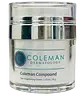
This brightening treatment is formulated around Arbutin and Glycolic Acid to fade the look of dark spots and refine skin texture.
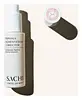
This brightening serum is formulated around Niacinamide and Gluconolactone to fade the look of dark spots and brighten dull-looking skin.


What's inside
What's inside
 Key Ingredients
Benefits
Concerns
Ingredients Side-by-side
Arbutin 4%
Antioxidant




Water
Skin ConditioningTocopheryl Acetate
Antioxidant
Stearic Acid
Cleansing



Glycolic Acid
Buffering







Butylene Glycol
Humectant
Camellia Oleifera Leaf Extract
AstringentPentylene Glycol
Skin Conditioning
Isopropyl Palmitate
Emollient

Steareth-2
EmulsifyingTetrahexyldecyl Ascorbate
Antioxidant

Steareth-21
CleansingStearyl Alcohol
Emollient
Evodia Rutaecarpa Fruit Extract
Skin ConditioningGlycyrrhetinic Acid
Skin Conditioning
Dimethicone
Emollient
Xanthan Gum
Emulsifying1,2-Hexanediol
Skin Conditioning
Caprylyl Alcohol
Masking
Bisabolol
Antioxidant
Zingiber Officinale Root Extract
Masking
Allantoin
Skin Conditioning
Potassium Sorbate
Preservative
Disodium EDTA
ChelatingArbutin 4%, Water, Tocopheryl Acetate, Stearic Acid, Glycolic Acid, Butylene Glycol, Camellia Oleifera Leaf Extract, Pentylene Glycol, Isopropyl Palmitate, Steareth-2, Tetrahexyldecyl Ascorbate, Steareth-21, Stearyl Alcohol, Evodia Rutaecarpa Fruit Extract, Glycyrrhetinic Acid, Dimethicone, Xanthan Gum, 1,2-Hexanediol, Caprylyl Alcohol, Bisabolol, Zingiber Officinale Root Extract, Allantoin, Potassium Sorbate, Disodium EDTA
Water
Skin ConditioningNiacinamide
Smoothing
Gluconolactone
Chelating
Pentylene Glycol
Skin Conditioning
Dimethyl Isosorbide
SolventAcetyl Glycyl Beta-Alanine
Skin ConditioningDicaprylyl Carbonate
EmollientGlyceryl Stearate
Emollient
Hydrogenated Starch Hydrolysate
HumectantGlycerin
Humectant
Dicaprylyl Ether
Emollient
Safflower Seed Oil Piperonyl Esters
Skin Conditioning
Silybum Marianum Seed Oil
Skin Conditioning
Panthenyl Triacetate
Arachidyl Alcohol
Emollient
Glyceryl Caprylate
EmollientCarbomer
Emulsion StabilisingBehenyl Alcohol
Emollient
Bisabolol
Antioxidant
Hexylresorcinol
Antimicrobial
Terminalia Chebula Fruit Extract
Skin ConditioningSodium Hydroxide
BufferingPolyglyceryl-2 Laurate
Emulsifying
Arachidyl Glucoside
EmulsifyingPhyllanthus Emblica Fruit Extract
HumectantXanthan Gum
EmulsifyingAcrylates/C10-30 Alkyl Acrylate Crosspolymer
Emulsion StabilisingCaprylhydroxamic Acid
ChelatingTerminalia Bellerica Fruit Extract
AntimicrobialSucrose
Humectant
Acetyl Rheum Rhaponticum Root Extract
BleachingPlankton Extract
Skin ConditioningDiglucosyl Gallic Acid
Lecithin
Emollient
Glucose
Humectant
Tocopherol
Antioxidant
Water, Niacinamide, Gluconolactone, Pentylene Glycol, Dimethyl Isosorbide, Acetyl Glycyl Beta-Alanine, Dicaprylyl Carbonate, Glyceryl Stearate, Hydrogenated Starch Hydrolysate, Glycerin, Dicaprylyl Ether, Safflower Seed Oil Piperonyl Esters, Silybum Marianum Seed Oil, Panthenyl Triacetate, Arachidyl Alcohol, Glyceryl Caprylate, Carbomer, Behenyl Alcohol, Bisabolol, Hexylresorcinol, Terminalia Chebula Fruit Extract, Sodium Hydroxide, Polyglyceryl-2 Laurate, Arachidyl Glucoside, Phyllanthus Emblica Fruit Extract, Xanthan Gum, Acrylates/C10-30 Alkyl Acrylate Crosspolymer, Caprylhydroxamic Acid, Terminalia Bellerica Fruit Extract, Sucrose, Acetyl Rheum Rhaponticum Root Extract, Plankton Extract, Diglucosyl Gallic Acid, Lecithin, Glucose, Tocopherol
Reviews
Ingredients Explained
These ingredients are found in both products.
Ingredients higher up in an ingredient list are typically present in a larger amount.
Bisabolol is a gentle skin conditioner, antioxidant, and soothing ingredient.
It's primary claim to fame is soothing and research shows topically applied bisabolol can quiet the chemical messengers that cause your skin to become inflamed, helping to sooth any irritation.
A clinical study found that applying 0.5% bisabolol daily for 8 weeks produced an average 9% decrease in skin pigmentation. Researchers found it can also suppress the process that leads to excess melanin production in skin.
In vitro studies found that bisabolol combined with propylene glycol significantly increased skin permeability by increasing lipid fluidity in the stratum corneum.
You'll likely see use concentrations quite low, usually 0.1-0.2%.
Overall, this is a well-tolerated ingredient that works well in formulas designed for sensitive, reactive, or post-procedure skin.
Learn more about BisabololPentylene Glycol (1,2-pentanediol) is a multitasking little diol with three main roles in a formula:
Research on alkanediols (the family pentylene glycol belongs to) show they work by disrupting microbial cell membranes. This disruption helps the primary preservative system in a product work more effectively at lower doses.
On the safety side, the Cosmetic Ingredient Review Expert Panel has concluded this ingredient to be safe as used in current cosmetic practices + concentrations.
Typical use levels in a formula run about 1-5%.
Learn more about Pentylene GlycolWater. It's the most common cosmetic ingredient of all. You'll usually see it at the top of ingredient lists, meaning that it makes up the largest part of the product.
So why is it so popular? Water most often acts as a solvent - this means that it helps dissolve other ingredients into the formulation.
You'll also recognize water as that liquid we all need to stay alive. If you see this, drink a glass of water. Remember to stay hydrated!
Learn more about WaterXanthan gum is used as a stabilizer and thickener within cosmetic products. It helps give products a sticky, thick feeling - preventing them from being too runny.
On the technical side of things, xanthan gum is a polysaccharide - a combination consisting of multiple sugar molecules bonded together.
Xanthan gum is a pretty common and great ingredient. It is a natural, non-toxic, non-irritating ingredient that is also commonly used in food products.
Learn more about Xanthan Gum

