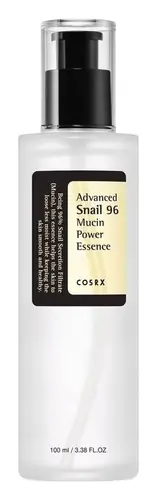
This brightening serum is formulated around Niacinamide and Gluconolactone to fade the look of dark spots and brighten dull-looking skin.
This brightening serum is formulated around Niacinamide to fade the look of dark spots and brighten dull-looking skin.


What's inside
What's inside
 Key Ingredients
Benefits
Concerns
Ingredients Side-by-side
Water
Skin ConditioningNiacinamide
Smoothing











Gluconolactone
Skin Conditioning
Pentylene Glycol
Skin Conditioning
Dimethyl Isosorbide
SolventAcetyl Glycyl Beta-Alanine
Skin ConditioningDicaprylyl Carbonate
EmollientGlyceryl Stearate
Emollient

Hydrogenated Starch Hydrolysate
HumectantGlycerin
Humectant
Dicaprylyl Ether
Emollient
Safflower Seed Oil Piperonyl Esters
Skin Conditioning
Silybum Marianum Seed Oil
Skin Conditioning
Panthenyl Triacetate
Arachidyl Alcohol
Emollient
Glyceryl Caprylate
EmollientCarbomer
Emulsion StabilisingBehenyl Alcohol
Emollient
Bisabolol
Antioxidant
Hexylresorcinol
Antimicrobial
Terminalia Chebula Fruit Extract
Skin ConditioningSodium Hydroxide
BufferingPolyglyceryl-2 Laurate
Emulsifying
Arachidyl Glucoside
EmulsifyingPhyllanthus Emblica Fruit Extract
HumectantXanthan Gum
EmulsifyingAcrylates/C10-30 Alkyl Acrylate Crosspolymer
Emulsion StabilisingCaprylhydroxamic Acid
Terminalia Bellerica Fruit Extract
AntimicrobialSucrose
Humectant
Acetyl Rheum Rhaponticum Root Extract
BleachingPlankton Extract
Skin ConditioningDiglucosyl Gallic Acid
Lecithin
Emollient
Glucose
Humectant
Tocopherol
Antioxidant
Water, Niacinamide, Gluconolactone, Pentylene Glycol, Dimethyl Isosorbide, Acetyl Glycyl Beta-Alanine, Dicaprylyl Carbonate, Glyceryl Stearate, Hydrogenated Starch Hydrolysate, Glycerin, Dicaprylyl Ether, Safflower Seed Oil Piperonyl Esters, Silybum Marianum Seed Oil, Panthenyl Triacetate, Arachidyl Alcohol, Glyceryl Caprylate, Carbomer, Behenyl Alcohol, Bisabolol, Hexylresorcinol, Terminalia Chebula Fruit Extract, Sodium Hydroxide, Polyglyceryl-2 Laurate, Arachidyl Glucoside, Phyllanthus Emblica Fruit Extract, Xanthan Gum, Acrylates/C10-30 Alkyl Acrylate Crosspolymer, Caprylhydroxamic Acid, Terminalia Bellerica Fruit Extract, Sucrose, Acetyl Rheum Rhaponticum Root Extract, Plankton Extract, Diglucosyl Gallic Acid, Lecithin, Glucose, Tocopherol
Water
Skin ConditioningDimethyl Isosorbide
SolventGlycerin
Humectant
Olive Oil Glycereth-8 Esters
Emollient
Niacinamide
Smoothing
Hydroxyethyl Acrylate/Sodium Acryloyldimethyl Taurate Copolymer
Emulsion StabilisingCoconut Alkanes
Emollient


Malassezin
Rhododendron Ferrugineum Extract
MaskingSodium Hyaluronate
Humectant
Bisabolol
Antioxidant
Carnosine
Skin Conditioning
Tocopherol
Antioxidant
Tetrasodium Glutamate Diacetate
Silica
Abrasive
Coco-Caprylate/Caprate
Emollient
Chlorphenesin
Antimicrobial
Sodium Phytate
Pentylene Glycol
Skin Conditioning
Caprylyl Glycol
Emollient
Citric Acid
Buffering
Sodium Hydroxide
BufferingDisodium Phosphate
BufferingSodium Chloride
MaskingPhenoxyethanol
Preservative
Water, Dimethyl Isosorbide, Glycerin, Olive Oil Glycereth-8 Esters, Niacinamide, Hydroxyethyl Acrylate/Sodium Acryloyldimethyl Taurate Copolymer, Coconut Alkanes, Malassezin, Rhododendron Ferrugineum Extract, Sodium Hyaluronate, Bisabolol, Carnosine, Tocopherol, Tetrasodium Glutamate Diacetate, Silica, Coco-Caprylate/Caprate, Chlorphenesin, Sodium Phytate, Pentylene Glycol, Caprylyl Glycol, Citric Acid, Sodium Hydroxide, Disodium Phosphate, Sodium Chloride, Phenoxyethanol
Reviews
Ingredients Explained
These ingredients are found in both products.
Ingredients higher up in an ingredient list are typically present in a larger amount.
Bisabolol is a gentle skin conditioner, antioxidant, and soothing ingredient.
It's primary claim to fame is soothing and research shows topically applied bisabolol can quiet the chemical messengers that cause your skin to become inflamed, helping to sooth any irritation.
A clinical study found that applying 0.5% bisabolol daily for 8 weeks produced an average 9% decrease in skin pigmentation. Researchers found it can also suppress the process that leads to excess melanin production in skin.
In vitro studies found that bisabolol combined with propylene glycol significantly increased skin permeability by increasing lipid fluidity in the stratum corneum.
You'll likely see use concentrations quite low, usually 0.1-0.2%.
Overall, this is a well-tolerated ingredient that works well in formulas designed for sensitive, reactive, or post-procedure skin.
Learn more about BisabololDimethyl Isosorbide (often shortened to DMI) is a sugar-derived solvent made from sorbitol. It's used to dissolve tricky ingredients and help them mix smoothly into a formula.
Many actives sit as gritty crystals when undissolved, so DMI swoops in to full dissolve them. This helps improve texture, stability, and how evenly an active is distributed.
It does have a penetration-enhancing reputation that is a bit more nuanced than marketing suggests; a cell study on human skin found that 10% DMI didn't significantly boost the permeation of Hydroquinone, Salicylic Acid, or Octadecenedioic Acid compared to controls (though it did improve their solubility in the formula itself).
Typical usage concentrations usually range from 1-10% depending on the formula's needs; this ingredient is also well tolerated at these levels.
Learn more about Dimethyl IsosorbideGlycerin (or glycerol) is a compound naturally found in your skin. It's a powerhouse humectant that pulls water into the stratum corneum.
Topically, glycerin does several things at once:
Your skin makes glycerin on its own (mostly from sebaceous oil breakdown) and shuttles it to your outermost layer of skin, or your epidermis, via aquaporin-3.
Aquaporin-3 is a transporter that is essential for normal skin hydration, elasticity, and repair. Interestingly, mice lacking in AQP3 have dry and less elastic skin that can be fully corrected with glycerin.
This ingredient is non-irritating, plays well with almost every ingredient, and works across all skin types. Typical use is anywhere between 3-10% but can go up to 79% in some leave-on products.
Just know very high concentrations (>40%) can feel tacky in low humidity.
Glycerin is the name for this ingredient in American English. British English uses Glycerol/Glycerine.
Learn more about GlycerinNiacinamide is a multitasking form of vitamin B3 that strengthens the skin barrier, reduces pores and dark spots, regulates oil, and improves signs of aging.
And the best part? It's gentle and well-tolerated by most skin types, including sensitive and reactive skin.
You might have heard of "niacin flush", or the reddening of skin that causes itchiness. Niacinamide has not been found to cause this.
In very rare cases, some individuals may not be able to tolerate niacinamide at all or experience an allergic reaction to it.
If you are experiencing flaking, irritation, and dryness with this ingredient, be sure to double check all your products as this ingredient can be found in all categories of skincare.
When incorporating niacinamide into your routine, look out for concentration amounts. Typically, 5% niacinamide provides benefits such as fading dark spots. However, if you have sensitive skin, it is better to begin with a smaller concentration.
When you apply niacinamide to your skin, your body converts it into nicotinamide adenine dinucleotide (NAD). NAD is an essential coenzyme that is already found in your cells as "fuel" and powers countless biological processes.
In your skin, NAD helps repair cell damage, produce new healthy cells, support collagen production, strengthen the skin barrier, and fight environmental stressors (like UV and pollution).
Our natural NAD levels start to decline with age, leading to slower skin repair, visible aging, and a weaker skin barrier. By providing your skin niacinamide, you're recharging your skin's NAD levels. This leads to stronger, healthier, and younger looking skin.
Another name for vitamin B3 is nicotinamide. This vitamin is water-soluble and our bodies don't store it. We obtain Vitamin B3 from either food or skincare. Meat, fish, wheat, yeast, and leafy greens contain vitamin B3.
The type of niacinamide used in skincare is synthetically created.
Learn more about NiacinamidePentylene Glycol (1,2-pentanediol) is a multitasking little diol with three main roles in a formula:
Research on alkanediols (the family pentylene glycol belongs to) show they work by disrupting microbial cell membranes. This disruption helps the primary preservative system in a product work more effectively at lower doses.
On the safety side, the Cosmetic Ingredient Review Expert Panel has concluded this ingredient to be safe as used in current cosmetic practices + concentrations.
Typical use levels in a formula run about 1-5%.
Learn more about Pentylene GlycolSodium Hydroxide is also known as lye or caustic soda. It is used to adjust the pH of products; many ingredients require a specific pH to be effective.
In small amounts, sodium hydroxide is considered safe to use. However, large amounts may cause chemical burns due to its high alkaline.
Your skin has a natural pH and acid mantle. This acid mantle helps prevent harmful bacteria from breaking through. The acid mantle also helps keep your skin hydrated.
"Alkaline" refers to a high pH level. A low pH level would be considered acidic.
Learn more about Sodium HydroxideTocopherol is a fat-soluble antioxidant known as Vitamin E.
You'll find this ingredient in the vast majority of skincare (for good reason). It works to neutralize free radicals, or unstable molecules generated by UV exposure, pollution, and other environmental stressors, before they can cause oxidative damage to your skin cells.
Topically applied tocopherol has been shown to protect against UV damage by ramping up the skin's own natural defense enzymes.
It also acts as a skin conditioning agent; some studies show that regular topical use can improve the skin's water-binding capacity over 2-4 weeks.
This ingredient is especially loved for being a team player. When combined with Vitamin C, the photoprotective effect of both ingredients roughly doubles and the combo also helps reduce UV-induced DNA damage.
This ingredient has some brightening potential but it's more of a prevention ingredient than spot-fader. Cell studies show it can slow down melanin production but it's worth noting that it's not the most powerful brightener out there.
In formulations, it also serves as a stabilizer that helps protect other oxidation-prone ingredients from degrading.
Concentrations usually range from 0.1-1% in most leave-on products.
Learn more about TocopherolWater. It's the most common cosmetic ingredient of all. You'll usually see it at the top of ingredient lists, meaning that it makes up the largest part of the product.
So why is it so popular? Water most often acts as a solvent - this means that it helps dissolve other ingredients into the formulation.
You'll also recognize water as that liquid we all need to stay alive. If you see this, drink a glass of water. Remember to stay hydrated!
Learn more about Water