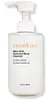
This mild gel cleanser is made to cleanse without leaving your skin tight or dry.
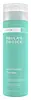
This mild gel cleanser is made to cleanse while calming and soothing your skin.

What's inside
What's inside
 Key Ingredients
Benefits
Concerns
Ingredients Side-by-side
Water
Skin ConditioningGlycerin
Humectant


Sodium Cocoyl Isethionate
Cleansing
Sodium Lauroyl Methyl Isethionate
CleansingCocamidopropyl Hydroxysultaine
Cleansing
Polyacrylate Crosspolymer-6
Emulsion StabilisingCeramide NP
Skin Conditioning



Ceramide Ng
Skin Conditioning
Ceramide AP
Skin Conditioning
Ceramide EOP
Skin Conditioning
Ceramide As
Skin Conditioning
Tocopherol
Antioxidant



Rosmarinus Officinalis Leaf Extract
AntimicrobialHelianthus Annuus Extract
Emollient
Oryza Sativa Bran Extract
Skin Conditioning
Laminaria Digitata Extract
Skin Protecting

Glycolipids
Skin ConditioningCholesterol
Emollient
Acacia Senegal Gum
MaskingHydrogenated Lecithin
Emulsifying
Xanthan Gum
EmulsifyingSaccharide Isomerate
Humectant
Caprylyl Glycol
Emollient
Cetyl-Pg Hydroxyethyl Palmitamide
Skin ConditioningGlycol Distearate
Emollient

Sodium Methyl Cocoyl Taurate
Cleansing
1,2-Hexanediol
Skin Conditioning
Sodium Citrate
BufferingSodium Phytate
ChelatingTrisodium Ethylenediamine Disuccinate
ChelatingPotassium Sorbate
Preservative
Sodium Benzoate
Masking
Citric Acid
Buffering
Water, Glycerin, Sodium Cocoyl Isethionate, Sodium Lauroyl Methyl Isethionate, Cocamidopropyl Hydroxysultaine, Polyacrylate Crosspolymer-6, Ceramide NP, Ceramide Ng, Ceramide AP, Ceramide EOP, Ceramide As, Tocopherol, Rosmarinus Officinalis Leaf Extract, Helianthus Annuus Extract, Oryza Sativa Bran Extract, Laminaria Digitata Extract, Glycolipids, Cholesterol, Acacia Senegal Gum, Hydrogenated Lecithin, Xanthan Gum, Saccharide Isomerate, Caprylyl Glycol, Cetyl-Pg Hydroxyethyl Palmitamide, Glycol Distearate, Sodium Methyl Cocoyl Taurate, 1,2-Hexanediol, Sodium Citrate, Sodium Phytate, Trisodium Ethylenediamine Disuccinate, Potassium Sorbate, Sodium Benzoate, Citric Acid
Water
Skin ConditioningSodium Cocoyl Glutamate
Cleansing
Glycerin
Humectant
Caprylic/Capric Triglyceride
Masking
Cocamidopropyl Betaine
Cleansing
Sodium Laurylglucosides Hydroxypropylsulfonate
CleansingCellulose Gum
Emulsion StabilisingCoco-Caprylate/Caprate
Emollient
Hydroxyacetophenone
Antioxidant
Inulin
Skin Conditioning
Xanthan Gum
EmulsifyingEthylhexylglycerin
Skin ConditioningSodium Phytate
ChelatingCellulose
Absorbent
Fructose
Humectant
Glucose
Humectant
Phenoxyethanol
Preservative
Water, Sodium Cocoyl Glutamate, Glycerin, Caprylic/Capric Triglyceride, Cocamidopropyl Betaine, Sodium Laurylglucosides Hydroxypropylsulfonate, Cellulose Gum, Coco-Caprylate/Caprate, Hydroxyacetophenone, Inulin, Xanthan Gum, Ethylhexylglycerin, Sodium Phytate, Cellulose, Fructose, Glucose, Phenoxyethanol
Reviews
Ingredients Explained
These ingredients are found in both products.
Ingredients higher up in an ingredient list are typically present in a larger amount.
Glycerin (or glycerol) is a compound naturally found in your skin. It's a powerhouse humectant that pulls water into the stratum corneum.
Topically, glycerin does several things at once:
Your skin makes glycerin on its own (mostly from sebaceous oil breakdown) and shuttles it to your outermost layer of skin, or your epidermis, via aquaporin-3.
Aquaporin-3 is a transporter that is essential for normal skin hydration, elasticity, and repair. Interestingly, mice lacking in AQP3 have dry and less elastic skin that can be fully corrected with glycerin.
This ingredient is non-irritating, plays well with almost every ingredient, and works across all skin types. Typical use is anywhere between 3-10% but can go up to 79% in some leave-on products.
Just know very high concentrations (>40%) can feel tacky in low humidity.
Glycerin is the name for this ingredient in American English. British English uses Glycerol/Glycerine.
Learn more about GlycerinSodium Phytate is the sodium salt of Phytic acid, a compound that plants store phosphorus in. It's the plant-derived alternative to ingredients like Disodium EDTA.
In skincare, this ingredient is a chelator that grabs onto trace metal ions like iron and copper that sneak into formulas through water/raw materials.
Those metals speed up oxidation so binding them keeps oils, fragrance, and actives from going off, stops color changes, and helps the preservative system work harder.
Survey data shows usage levels range from 0.0099%-0.5% in leave-on products, 0.025%-0.3% in rinse-off, and up to 0.05% in eye-area products. Suppliers typically recommend a range between 0.05-0.5%.
Learn more about Sodium PhytateWater. It's the most common cosmetic ingredient of all. You'll usually see it at the top of ingredient lists, meaning that it makes up the largest part of the product.
So why is it so popular? Water most often acts as a solvent - this means that it helps dissolve other ingredients into the formulation.
You'll also recognize water as that liquid we all need to stay alive. If you see this, drink a glass of water. Remember to stay hydrated!
Learn more about WaterXanthan gum is used as a stabilizer and thickener within cosmetic products. It helps give products a sticky, thick feeling - preventing them from being too runny.
On the technical side of things, xanthan gum is a polysaccharide - a combination consisting of multiple sugar molecules bonded together.
Xanthan gum is a pretty common and great ingredient. It is a natural, non-toxic, non-irritating ingredient that is also commonly used in food products.
Learn more about Xanthan Gum

