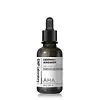
This pore-care ampoule is formulated around Mandelic Acid and Carnitine to refine the look of pores and refine skin texture.
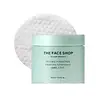
This acne toner pad uses a pre-saturated pad with Melaleuca Alternifolia Leaf Oil and Salicylic Acid to clear breakouts and refine the look of pores.

What's inside
What's inside
 Key Ingredients
Benefits
Concerns
Ingredients Side-by-side
Water
Skin ConditioningMandelic Acid
Antimicrobial










Tromethamine
Buffering2,3-Butanediol
HumectantPropanediol
Solvent

Glycerin
Humectant
Pentylene Glycol
Skin Conditioning
Panthenol
Skin Conditioning

1,2-Hexanediol
Skin Conditioning
Hydroxyethylpiperazine Ethane Sulfonic Acid
BufferingButylene Glycol
Humectant
Dipropylene Glycol
HumectantSerine
Masking
Carnitine
Cleansing
Succinic Acid
BufferingSodium Hyaluronate
Humectant
Salicylic Acid
Masking



Polyglyceryl-10 Stearate
Skin Conditioning
Allantoin
Skin Conditioning
Polyglyceryl-10 Oleate
Skin Conditioning
Polyquaternium-51
Skin Conditioning
Rosmarinus Officinalis Leaf Oil
Masking
Trisodium EDTA
ChelatingVetiveria Zizanoides Root Oil
Masking

Centella Asiatica Leaf Extract
Skin Conditioning
Portulaca Oleracea Extract
Skin Conditioning
Troxerutin
Skin Conditioning
Zinc PCA
Humectant
Arginine
Masking
Glutamic Acid
Humectant
Dextrin
AbsorbentTheobroma Cacao Seed Extract
Antioxidant
Coptis Japonica Root Extract
Skin ConditioningChlorogenic Acids
Antioxidant
Ectoin
Skin Conditioning
Houttuynia Cordata Extract
Skin Conditioning
Ginkgo Biloba Nut Extract
Skin ConditioningMadecassoside
Antioxidant
Water, Mandelic Acid, Tromethamine, 2,3-Butanediol, Propanediol, Glycerin, Pentylene Glycol, Panthenol, 1,2-Hexanediol, Hydroxyethylpiperazine Ethane Sulfonic Acid, Butylene Glycol, Dipropylene Glycol, Serine, Carnitine, Succinic Acid, Sodium Hyaluronate, Salicylic Acid, Polyglyceryl-10 Stearate, Allantoin, Polyglyceryl-10 Oleate, Polyquaternium-51, Rosmarinus Officinalis Leaf Oil, Trisodium EDTA, Vetiveria Zizanoides Root Oil, Centella Asiatica Leaf Extract, Portulaca Oleracea Extract, Troxerutin, Zinc PCA, Arginine, Glutamic Acid, Dextrin, Theobroma Cacao Seed Extract, Coptis Japonica Root Extract, Chlorogenic Acids, Ectoin, Houttuynia Cordata Extract, Ginkgo Biloba Nut Extract, Madecassoside
Water
Skin ConditioningGlycerin
Humectant
Butylene Glycol
Humectant
Dipropylene Glycol
Humectant1,2-Hexanediol
Skin Conditioning
Panthenol
Skin Conditioning
Melaleuca Alternifolia Leaf Oil
Antioxidant
Carnitine
Cleansing
Serine
Masking
Dipotassium Glycyrrhizate
Humectant
Salicylic Acid
Masking
Arginine
Masking
Citric Acid
Buffering
Gluconolactone
Chelating
Hydrolyzed Hyaluronic Acid
Humectant
Tromethamine
BufferingEthylhexylglycerin
Skin ConditioningPolyglyceryl-10 Oleate
Skin Conditioning
Polyglyceryl-10 Stearate
Skin Conditioning
Water, Glycerin, Butylene Glycol, Dipropylene Glycol, 1,2-Hexanediol, Panthenol, Melaleuca Alternifolia Leaf Oil, Carnitine, Serine, Dipotassium Glycyrrhizate, Salicylic Acid, Arginine, Citric Acid, Gluconolactone, Hydrolyzed Hyaluronic Acid, Tromethamine, Ethylhexylglycerin, Polyglyceryl-10 Oleate, Polyglyceryl-10 Stearate
Ingredients Explained
These ingredients are found in both products.
Ingredients higher up in an ingredient list are typically present in a larger amount.
1,2-Hexanediol is a synthetic liquid and another multi-functional powerhouse.
It is a:
- Humectant, drawing moisture into the skin
- Emollient, helping to soften skin
- Solvent, dispersing and stabilizing formulas
- Preservative booster, enhancing the antimicrobial activity of other preservatives
Arginine is a semi-essential amino acid. This just means our bodies can product a bit on its own, but sometimes needs a little boost from food sources.
It is a part of your skin's natural moisturizing factor (NMF), or the water-loving molecules in your outermost layer of skin (stratum corneum) that keeps everything hydrated and happy.
Here's an interesting thing about Arginine: your skin converts it into urea through the Krebs-Henseleit urea cycle. Urea is one of the most effective humectants your skin naturally produces.
A clinical study showed applying 2.5% arginine hydrochloride to atopic dermatitis skin showed significant urea levels in the stratum corneum and improved moisture in just four weeks.
Arginine is also a precursor to nitric oxide; nitric oxide improves microcirculation and supports wound healing and collagen synthesis.
One study found that an amino acid complex containing Arginine reduced skin irritation, improved hydration, and accelerated skin repair in clinical / in-vivo studies.
Arginine itself is an amino acid and not a fatty acid, oil, or ester. On its own, it's not a direct food source for Malassezia, or the yeast that causes fungal acne.
Learn more about ArginineButylene Glycol (or BG) is used within cosmetic products for a few different reasons:
Overall, Butylene Glycol is a safe and well-rounded ingredient that works well with other ingredients.
Though this ingredient works well with most skin types, some people with sensitive skin may experience a reaction such as allergic rashes, closed comedones, or itchiness.
Learn more about Butylene GlycolThis ingredient is also known as Levocarnitine or L-Carnitine. It is an amino acid derivative naturally found in our bodies.
Biologically, carnitine plays a key role in cellular energy production. It transports fatty acids into the mitochondria (say it with me, "the powerhouse of the cell") where they are converted into cellular fuel.
In skincare, this process helps regulate sebum production. One study found topical L-carnitine can help reduce excess oil and improve skin oil balance. This makes it a great addition for oily or acne-prone skin.
Besides oil control, carnitine supports healthy skin metabolism by boosting lipid breakdown. Research has shown it can improve skin’s resilience against aging and external stressors like UV exposure.
There are no downsides to using this ingredient and it is a great multifunctional ingredient for both sebum regulation and anti-aging care.
Learn more about CarnitineDipropylene Glycol is a synthetically created humectant, stabilizer, and solvent.
This ingredient helps:
Dipropylene glycol is technically an alcohol, but it belongs to the glycol family (often considered part of the ‘good’ alcohols). This means it is hydrating and gentle on skin unlike drying solvent alcohols like denatured alcohol.
As a masking agent, Dipropylene Glycol can be used to cover the smell of other ingredients. However, it does not have a scent.
Studies show Dipropylene Glycol is considered safe to use in skincare.
Learn more about Dipropylene GlycolGlycerin (or glycerol) is a compound naturally found in your skin. It's a powerhouse humectant that pulls water into the stratum corneum.
Topically, glycerin does several things at once:
Your skin makes glycerin on its own (mostly from sebaceous oil breakdown) and shuttles it to your outermost layer of skin, or your epidermis, via aquaporin-3.
Aquaporin-3 is a transporter that is essential for normal skin hydration, elasticity, and repair. Interestingly, mice lacking in AQP3 have dry and less elastic skin that can be fully corrected with glycerin.
This ingredient is non-irritating, plays well with almost every ingredient, and works across all skin types. Typical use is anywhere between 3-10% but can go up to 79% in some leave-on products.
Just know very high concentrations (>40%) can feel tacky in low humidity.
Glycerin is the name for this ingredient in American English. British English uses Glycerol/Glycerine.
Learn more about GlycerinPanthenol is a common ingredient that helps hydrate and soothe the skin. It is found naturally in our skin and hair.
There are two forms of panthenol: D and L.
D-panthenol is also known as dexpanthenol. Most cosmetics use dexpanthenol or a mixture of D and L-panthenol.
Panthenol is famous due to its ability to go deeper into the skin's layers. Using this ingredient has numerous pros (and no cons):
Like hyaluronic acid, panthenol is a humectant. Humectants are able to bind and hold large amounts of water to keep skin hydrated.
This ingredient works well for wound healing. It works by increasing tissue in the wound and helps close open wounds.
Once oxidized, panthenol converts to pantothenic acid. Panthothenic acid is found in all living cells.
This ingredient is also referred to as pro-vitamin B5.
Learn more about PanthenolPolyglyceryl-10 Oleate is made by combining ten units of glycerin with oleic acid.
According to a manufacturer, it is a low-irritation and hydrophilic (water loving) skin conditioning agent. It also improves the sensory feel and texture of a product.
Fungal acne note:
Since this ingredient is made from oleic acid, it might not be fungal acne safe. The Malassezia yeast survives by eating certain fats, including oleic acid.
However, it should be noted this oleic acid is chemically bound to a large polyglycerol molecule, so it might not trigger fungal acne for everyone.
Learn more about Polyglyceryl-10 OleatePolyglyceryl-10 Stearate is a skin conditioner that is basically a fatty acid (stearic acid) hooked up to a chain of glycerin units.
It is a skin conditioning agent that helps skin feel soft, smooth, and hydrated.
Beyond that, it also helps emulsify and cleanse: it helps oil and water phases stay blended in moisturizers, serums, and cleansers.
This ingredient has been found to be safe in cosmetics at present concentrations and practices of use.
Research on Malassezia shows the yeast can metabolize stearic acid as a growth substrate; this ingredient is not fungal acne safe.
Learn more about Polyglyceryl-10 StearateSalicylic Acid (also known as beta hydroxy acid or BHA) is a well-known ingredient for treating skin that struggles with acne and clogged pores. It exfoliates both the skin's surface and deep within the pores to help clear out buildup, control oil, and reduce inflammation.
Unlike AHAs (alpha hydroxy acids), salicylic acid is oil-soluble. This allows it to penetrate into pores which makes it especially effective for treating blackheads and preventing future breakouts.
Salicylic acid is also known for its soothing properties. It has a similar structure to aspirin and can calm inflamed or irritated skin, making it a good option for acne-prone skin that is also sensitive.
Concentrations of 0.5-2% are recognized by the U.S. FDA as an over-the-counter topical acne product.
It can cause irritation and/or dryness if one's skin already has a compromised moisture barrier, so it's best to focus on repairing that before introducing this ingredient into your routine.
While salicylic acid does not increase sun sensitivity, it’s still important to wear sunscreen daily to protect your skin.
If you are looking for the ingredient called BHA or Butylated Hydroxyanisole, click here.
Learn more about Salicylic AcidSerine is a non-essential amino acid (your body makes it on its own!). It is a major player in your skin's natural moisturizing factor (NMF), or the water-loving molecules in your outermost layer of skin (stratum corneum) that keeps everything hydrated and happy.
Serine is one of your NMF's most abundant components that works as a skin-identical humectant. Its hydroxyl group grabs onto water molecules to boost hydration without any heaviness or occlusion.
Research on a hydrogel with serine confirmed this serine got delivered to your stratum corneum and demonstrated enhanced skin moisturization.
Interestingly serine also helps your skin produce filaggrin, a protein that keeps your skin barrier strong and used to create collagen.
Learn more about SerineTromethamine (aka THAM) is a synthetic amino acid that shows up in skincare as a helper ingredient.
It functions as a pH adjuster to help neutralize acidic ingredients and set a formula's pH to the right spot.
This matters a lot because a lot of actives (like vitamin C) needs a specific pH to work well and feel comfortable on skin.
Concentration use ranges from 0.1-1.0% depending on the formula.
Learn more about TromethamineWater. It's the most common cosmetic ingredient of all. You'll usually see it at the top of ingredient lists, meaning that it makes up the largest part of the product.
So why is it so popular? Water most often acts as a solvent - this means that it helps dissolve other ingredients into the formulation.
You'll also recognize water as that liquid we all need to stay alive. If you see this, drink a glass of water. Remember to stay hydrated!
Learn more about Water

