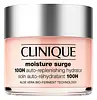
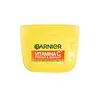
Clinique Moisture Surge™ 100-Hour Auto-Replenishing Hydrator Versus Garnier Vitamin C Fresh & Bright Hydrating Sorbet Cream
This moisturizer is formulated around Camellia Sinensis Leaf Extract and Aloe Barbadensis Leaf Extract to hydrate skin.
This brightening moisturizer is formulated around Niacinamide and Ascorbyl Glucoside to brighten dull-looking skin and balance excess oil.


What's inside
What's inside
 Key Ingredients
Benefits
Concerns
Ingredients Side-by-side
Water
Skin ConditioningDimethicone
Emollient

Butylene Glycol
Humectant

Glycerin
Humectant
Trisiloxane
Skin Conditioning
Trehalose
Humectant
Sucrose
Humectant
Ammonium Acryloyldimethyltaurate/Vp Copolymer
Hydroxyethyl Urea
Humectant
Camellia Sinensis Leaf Extract
Antimicrobial





Silybum Marianum Extract
Skin Conditioning
Betula Alba Bark Extract
Masking
Saccharomyces Lysate Extract
Humectant

Aloe Barbadensis Leaf Water
MaskingAloe Barbadensis Leaf Extract
Emollient
Thermus Thermophillus Ferment
Skin ConditioningCaffeine
Skin Conditioning
Sorbitol
Humectant
Palmitoyl Hexapeptide-12
Skin Conditioning
Sodium Hyaluronate
Humectant
Caprylyl Glycol
Emollient
Oleth-10
EmulsifyingSodium Polyaspartate
HumectantAloe Barbadensis Leaf Polysaccharides
Emollient
Lactobacillus Ferment Lysate
Skin Conditioning
Saccharide Isomerate
Humectant
Hydrogenated Lecithin
Emulsifying
Tocopheryl Acetate
Antioxidant
Acrylates/C10-30 Alkyl Acrylate Crosspolymer
Emulsion StabilisingGlyceryl Polymethacrylate
Tromethamine
BufferingPEG-8
HumectantHexylene Glycol
EmulsifyingMagnesium Ascorbyl Phosphate
Antioxidant

Citric Acid
Buffering
BHT
Antioxidant
Disodium EDTA
Sodium Citrate
BufferingPotassium Sorbate
Preservative
Sodium Benzoate
Masking
Phenoxyethanol
Preservative
CI 14700
Cosmetic ColorantCI 19140
Cosmetic ColorantWater, Dimethicone, Butylene Glycol, Glycerin, Trisiloxane, Trehalose, Sucrose, Ammonium Acryloyldimethyltaurate/Vp Copolymer, Hydroxyethyl Urea, Camellia Sinensis Leaf Extract, Silybum Marianum Extract, Betula Alba Bark Extract, Saccharomyces Lysate Extract, Aloe Barbadensis Leaf Water, Aloe Barbadensis Leaf Extract, Thermus Thermophillus Ferment, Caffeine, Sorbitol, Palmitoyl Hexapeptide-12, Sodium Hyaluronate, Caprylyl Glycol, Oleth-10, Sodium Polyaspartate, Aloe Barbadensis Leaf Polysaccharides, Lactobacillus Ferment Lysate, Saccharide Isomerate, Hydrogenated Lecithin, Tocopheryl Acetate, Acrylates/C10-30 Alkyl Acrylate Crosspolymer, Glyceryl Polymethacrylate, Tromethamine, PEG-8, Hexylene Glycol, Magnesium Ascorbyl Phosphate, Citric Acid, BHT, Disodium EDTA, Sodium Citrate, Potassium Sorbate, Sodium Benzoate, Phenoxyethanol, CI 14700, CI 19140
Water
Skin ConditioningGlycerin
Humectant
Niacinamide
Smoothing


Alcohol Denat.
Antimicrobial



Cetearyl Isononanoate
Emollient
Sodium Carbomer
Emulsion StabilisingCitrus Limon Fruit Extract
Masking
Sodium Hydroxide
BufferingSilica
Abrasive
Silica Silylate
Emollient
Ascorbyl Glucoside
Antioxidant
Caprylyl Glycol
Emollient
Trisodium Ethylenediamine Disuccinate
Xanthan Gum
EmulsifyingPolyglyceryl-2 Isostearate
Emulsifying
Salicylic Acid
Masking
Chlorphenesin
Antimicrobial
CI 15510
Cosmetic ColorantCI 19140
Cosmetic ColorantLinalool
Perfuming
Linalyl Acetate
Masking
Geraniol
Perfuming
Pinene
Masking
Limonene
Perfuming
Citral
Perfuming
Tetramethyl Acetyloctahydronaphthalenes
Masking
Citrus Aurantium Peel Oil

Citrus Limon Peel Oil
Masking
Carvone
Masking
Parfum
Masking
Water, Glycerin, Niacinamide, Alcohol Denat., Cetearyl Isononanoate, Sodium Carbomer, Citrus Limon Fruit Extract, Sodium Hydroxide, Silica, Silica Silylate, Ascorbyl Glucoside, Caprylyl Glycol, Trisodium Ethylenediamine Disuccinate, Xanthan Gum, Polyglyceryl-2 Isostearate, Salicylic Acid, Chlorphenesin, CI 15510, CI 19140, Linalool, Linalyl Acetate, Geraniol, Pinene, Limonene, Citral, Tetramethyl Acetyloctahydronaphthalenes, Citrus Aurantium Peel Oil, Citrus Limon Peel Oil, Carvone, Parfum
Reviews
Ingredients Explained
These ingredients are found in both products.
Ingredients higher up in an ingredient list are typically present in a larger amount.
Caprylyl Glycol is a humectant, skin conditioner, emollient, and preservative booster derived from either caprylic acid or synthetically created.
Typical use levels vary from 0.3-1% as a preservative booster and go up to 2% to condition skin.
Because it is not a free-fatty acid, this ingredient is fungal acne safe (there's nothing for Malassezia to feed on).
Learn more about Caprylyl GlycolCI 19140 is also known as Tartrazine. Tartrazine is a synthetic dye used in cosmetics, foods, and medicine to add a yellow color.
Tartrazine is created from petroleum and is water-soluble.
Some people may experience allergies from this dye, especially asthmatics and those with an aspirin intolerance.
Learn more about CI 19140Glycerin (or glycerol) is a compound naturally found in your skin. It's a powerhouse humectant that pulls water into the stratum corneum.
Topically, glycerin does several things at once:
Your skin makes glycerin on its own (mostly from sebaceous oil breakdown) and shuttles it to your outermost layer of skin, or your epidermis, via aquaporin-3.
Aquaporin-3 is a transporter that is essential for normal skin hydration, elasticity, and repair. Interestingly, mice lacking in AQP3 have dry and less elastic skin that can be fully corrected with glycerin.
This ingredient is non-irritating, plays well with almost every ingredient, and works across all skin types. Typical use is anywhere between 3-10% but can go up to 79% in some leave-on products.
Just know very high concentrations (>40%) can feel tacky in low humidity.
Glycerin is the name for this ingredient in American English. British English uses Glycerol/Glycerine.
Learn more about GlycerinWater. It's the most common cosmetic ingredient of all. You'll usually see it at the top of ingredient lists, meaning that it makes up the largest part of the product.
So why is it so popular? Water most often acts as a solvent - this means that it helps dissolve other ingredients into the formulation.
You'll also recognize water as that liquid we all need to stay alive. If you see this, drink a glass of water. Remember to stay hydrated!
Learn more about Water

