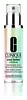
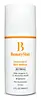
Clinique Even Better Clinical™ Radical Dark Spot Corrector + Interrupter Versus BeautyStat Vitamin C Skin Refiner
This brightening serum is formulated around Ascorbyl Glucoside and Salicylic Acid to fade the look of dark spots and brighten dull-looking skin.
This brightening serum is formulated around Ascorbic Acid and Tartaric Acid to brighten dull-looking skin and refine skin texture.

What's inside
What's inside
 Key Ingredients
Benefits
Concerns
Ingredients Side-by-side
Water
Skin ConditioningCyclopentasiloxane
Emollient
Dimethicone
Emollient
Polysilicone-11

Isododecane
EmollientButylene Glycol
Humectant

Ascorbyl Glucoside
Antioxidant



PEG-10 Dimethicone
Skin Conditioning
PEG-6
HumectantMorus Bombycis Root Extract
Skin ConditioningScutellaria Baicalensis Root Extract
Astringent
Camellia Sinensis Leaf Extract
Antimicrobial

Cucumis Sativus Fruit Extract
Emollient
Saccharomyces Lysate Extract
Humectant

Hordeum Vulgare Extract
EmollientSalicylic Acid
Masking






Triticum Vulgare Germ Extract
Skin ConditioningCholesterol
Emollient
Oryza Sativa Bran Extract
Skin Conditioning
Squalane
Emollient
Acetyl Glucosamine
Skin Conditioning
Sodium Hyaluronate
Humectant
Caffeine
Skin Conditioning
Isohexadecane
EmollientBetula Alba Bark Extract
Masking
Trametes Versicolor Extract
Sodium Rna
Skin ConditioningGlycyrrhetinic Acid
Skin Conditioning
Dimethoxytolyl Propylresorcinol
Antioxidant
Di-C12-18 Alkyl Dimonium Chloride
Skin ConditioningHelianthus Annuus Seedcake
Abrasive
Faex Extract
Skin ConditioningCaprylyl Glycol
Emollient
Propylene Glycol Dicaprate
EmollientAmmonium Acryloyldimethyltaurate/Vp Copolymer
Acrylamide/Sodium Acryloyldimethyltaurate Copolymer
Emulsion StabilisingPolysorbate 20
Emulsifying
Tocopheryl Acetate
Antioxidant
Polysorbate 80
Emulsifying
Tromethamine
BufferingSodium Hydroxide
BufferingHexylene Glycol
EmulsifyingDisodium EDTA
ChelatingSodium Benzoate
Masking
Sodium Metabisulfite
Antioxidant
Sodium Sulfite
Preservative
Phenoxyethanol
Preservative
CI 15985
Cosmetic ColorantCI 19140
Cosmetic ColorantWater, Cyclopentasiloxane, Dimethicone, Polysilicone-11, Isododecane, Butylene Glycol, Ascorbyl Glucoside, PEG-10 Dimethicone, PEG-6, Morus Bombycis Root Extract, Scutellaria Baicalensis Root Extract, Camellia Sinensis Leaf Extract, Cucumis Sativus Fruit Extract, Saccharomyces Lysate Extract, Hordeum Vulgare Extract, Salicylic Acid, Triticum Vulgare Germ Extract, Cholesterol, Oryza Sativa Bran Extract, Squalane, Acetyl Glucosamine, Sodium Hyaluronate, Caffeine, Isohexadecane, Betula Alba Bark Extract, Trametes Versicolor Extract, Sodium Rna, Glycyrrhetinic Acid, Dimethoxytolyl Propylresorcinol, Di-C12-18 Alkyl Dimonium Chloride, Helianthus Annuus Seedcake, Faex Extract, Caprylyl Glycol, Propylene Glycol Dicaprate, Ammonium Acryloyldimethyltaurate/Vp Copolymer, Acrylamide/Sodium Acryloyldimethyltaurate Copolymer, Polysorbate 20, Tocopheryl Acetate, Polysorbate 80, Tromethamine, Sodium Hydroxide, Hexylene Glycol, Disodium EDTA, Sodium Benzoate, Sodium Metabisulfite, Sodium Sulfite, Phenoxyethanol, CI 15985, CI 19140





Reviews
Ingredients Explained
These ingredients are found in both products.
Ingredients higher up in an ingredient list are typically present in a larger amount.
Camellia Sinensis Leaf Extract (tea extract) is one of the most well-researched plant extracts in skincare with an impressive resume.
Black tea, green tea, and oolong tea are all harvested from the Camellia Sinensis plant.
Studies show green tea extract and its catechins (like epigallocatechin gallate (EGCG)) help your skin cells product energy more efficiently and reducing the number of free-radicals that can damage your skin from the inside.
In lab-grown skin models, this translated to younger, healthier, and stronger skin.
There's also good sun protection data; researchers saw less DNA damage and redness on human skin when green tea was applied before UVB exposure. And the more they applied, the better the protection.
Needless to say, this ingredient shouldn't replace your sunscreen. But it is a great supportive ingredient that you can already find in many sunscreens and antioxidant serums.
A 2009 study found a 2% green tea lotion was effective for mild-to-moderate acne thanks to its anti-inflammatory and mild antimicrobial activity.
The quality of the extract matters a lot here:
Good extracts contain 50-90% catechins while lower quality ones are mostly there for marketing. We recommend reaching out to the brand if you have questions about the quality or source of their ingredients.
Human Repeated Insult Patch Testing showed no irritation or sensitization at use concentrations (0.86% in leave-on products and up to 30% as leaf water).
Learn more about Camellia Sinensis Leaf ExtractCaprylyl Glycol is a humectant, skin conditioner, emollient, and preservative booster derived from either caprylic acid or synthetically created.
Typical use levels vary from 0.3-1% as a preservative booster and go up to 2% to condition skin.
Because it is not a free-fatty acid, this ingredient is fungal acne safe (there's nothing for Malassezia to feed on).
Learn more about Caprylyl GlycolCyclopentasiloxane (D5) is a lightweight silicone that mostly acts as an emollient and solvent in cosmetics. Its the reason your products feel silky, fast-spreading, and non-greasy.
Since D5 is volatile, it does its thing and then evaporates off the skin quickly.
The safety profile of this ingredient is reassuring; the US CIR Expert Panel concluded D5 is safe as used in cosmetics and Health Canada concluded that D5 is not harmful to human health or the environment as currently used in cosmetics
There's a study that people mention about D5 in a rat study showing tumors. This study is related to long-term inhalation of high D5 levels.
Regulatory bodies have judged this study to be not applicable in topical skincare since skin absorption of D5 is very low and we're not really inhaling huge amounts of D5.
The only restriction for this ingredient is environmental. The European Chemicals Agency (ECHA) restricted D5 in wash-off cosmetics at or above 0.1% due to their persistence in water.
Learn more about CyclopentasiloxaneDimethicone is a type of synthetic silicone created from natural materials such as quartz. It is also known as polydimethylsiloxane.
What it does:
Dimethicone comes in different viscosities:
Depending on the viscosity, dimethicone has different properties.
Ingredients lists don't always show which type is used, so we recommend reaching out to the brand if you have questions about the viscosity.
This ingredient is unlikely to cause irritation because it does not get absorbed into skin. However, people with silicone allergies should be careful about using this ingredient.
Note: Dimethicone may contribute to pilling. This is because it is not oil or water soluble, so pilling may occur when layered with products. When mixed with heavy oils in a formula, the outcome is also quite greasy.
Learn more about DimethiconeIsododecane is a fragrance, emollient, and solvent.
As an emollient, it helps your skin stay soft and hydrated. Emollients help trap moisture into your skin.
Isododecane's role as a solvent makes it a great texture enhancer. It spreads smoothly on skin and does not leave a sticky feeling behind. Isododecane also helps prevent color transfer in makeup products.
Isododecane is not absorbed into skin.
The chemical name for this ingredient is 2,2,4,6,6-PENTAMETHYLHEPTANE.
Learn more about IsododecanePolysilicone-11 is a film-forming silicone that creates a non-tacky and matte finish on the skin. It's commonly used to improve texture, absorb excess oil, and help active ingredients spread evenly.
Due to its "rubber-like" structure, it stays on the skin's surface instead of being absorbed. On the skin, it creates a flexible layer that enhances wearability and stability.
Sodium Hyaluronate is the salt form of hyaluronic acid. It is a long sugar chain that is naturally found in your skin, joints, and connective tissue that maintains hydration and elasticity.
In skincare, it works as a humectant. It pulls water from the environment and deeper layers of skin and binds it to the surface.
Interestingly, the size of the molecule affects its behavior:
Some clinical evidence links low molecular weight versions to improved wrinkle depth, elasticity, anti-inflammatory effects, and barrier repair.
Many serums use a blend of both weights so you can get surface hydration plus longer-lasting and deeper effects.
You'll typically see concentrations between 0.1-2% for this ingredient.
Learn more about Sodium HyaluronateSqualane is the hydrogenated and shelf-stable form of squalene (a lipid that naturally occurs in human sebum).
It is an emollient and skin conditioning agent that is able to integrate seamlessly into the skin's lipid barrier without clogging pores.
This is due to how structurally similar it is to what your skin already produces.
Though it is mostly an emollient that helps soften and hydrate skin, it also has some humectant and occlusive action. Humectants help the skin retain moisture while occlusives seal it in, making squalane a triple-threat moisturizer.
Research shows it has antioxidant capabilities that help protect against stressors like UV exposure, specifically UVA induced oxidative stress. This study also found that it supports collagen biosynthesis in human dermal fibroblasts.
No clinical study has reported significant adverse effects and irritation reactions are very rare from this ingredient (even at 100% concentration).
Overall, it's a fantastic ingredient for hydration and is suitable for all skin types.
This depends on the source. Squalane can be derived from both plants and animals. Most squalane used in skincare comes from plants.
Please note: the source of squalane is only known if disclosed by the brand. We recommend reaching out to the brand if you have any questions about their squalane.
Read more about squalene with an "e".
Though squalane is often called an oil, it’s technically not one. It is a hydrocarbon, meaning it is only made of carbon and hydrogen. True oils are triglycerides and made of fatty acids and glycerol.
The term “oil-free” isn’t regulated so companies can define it however they want. Some exclude all oils, while others just avoid mineral oil or comedogenic oils.
Squalane has a comedogenic rating of 1 from the original 1972 study that tested raw ingredients under occlusion on rabbit ears. This system is not standardized or peer-reviewed, and using the raw ingredients is very different from how diluted cosmetic formulations are used on human skin.
A comedogenic rating of 1 means it is "unlikely to clog pores" according to the original rating system.
The overall formula of a product matters more than the individual ingredients on whether or not it will cause clogged pores.
Learn more about Squalane

