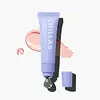
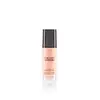
Chillab Brightening Tinted Eye Cream SPF 20 PA++ Versus Colleen Rothschild Illuminating Tinted Eye Cream
This brightening eye moisturizer is formulated around Hyaluronic Acid and Caffeine to brighten dull-looking skin and soften the look of wrinkles.
This anti-aging eye moisturizer is formulated around Caffeine and Palmitoyl Pentapeptide-4 to soften the look of wrinkles.

What's inside
What's inside
 Key Ingredients
Benefits
Concerns
Ingredients Side-by-side
Water
Skin ConditioningCyclopentasiloxane
Emollient
Ethylhexyl Methoxycinnamate
UV Absorber


Butylene Glycol
Humectant

Cyclohexasiloxane
Emollient
Glycerin
Humectant
Propylene Glycol
Humectant

Polymethyl Methacrylate

Mica
Cosmetic ColorantDimethicone/Vinyl Dimethicone Crosspolymer
Skin Conditioning
Phenyl Trimethicone
Skin Conditioning
Cetyl Ethylhexanoate
EmollientSodium Chloride
MaskingTrimethylsiloxysilicate
Emollient
Dicaprylyl Carbonate
EmollientTrihydroxystearin
Skin Conditioning
Phenoxyethanol
Preservative
Euphorbia Cerifera Wax
Magnesium Stearate
Cosmetic ColorantAluminum Hydroxide
EmollientStearic Acid
Cleansing
Triethoxycaprylylsilane
Parfum
Masking

Caprylyl Methicone
Skin Conditioning
Hyaluronic Acid
Humectant

Disodium EDTA
ChelatingCaffeine
Skin Conditioning
Niacinamide
Smoothing






Dipropylene Glycol
HumectantBHT
Antioxidant
Glycereth-26
Humectant
1,2-Hexanediol
Skin Conditioning
Aloe Barbadensis Extract
Skin Conditioning
Sorbitan Laurate
Emulsifying
C12-14 Pareth-12
EmulsifyingPolyglyceryl-10 Diisostearate
Emulsifying
Sodium Polynaphthalenesulfonate
Emulsion StabilisingC12-13 Pareth-9
EmulsifyingTocopherol
Antioxidant
Palmitoyl Tripeptide-1
Skin Conditioning
CI 77891
Cosmetic ColorantCI 77491
Cosmetic ColorantCI 77492
Cosmetic ColorantWater, Cyclopentasiloxane, Ethylhexyl Methoxycinnamate, Butylene Glycol, Cyclohexasiloxane, Glycerin, Propylene Glycol, Polymethyl Methacrylate, Mica, Dimethicone/Vinyl Dimethicone Crosspolymer, Phenyl Trimethicone, Cetyl Ethylhexanoate, Sodium Chloride, Trimethylsiloxysilicate, Dicaprylyl Carbonate, Trihydroxystearin, Phenoxyethanol, Euphorbia Cerifera Wax, Magnesium Stearate, Aluminum Hydroxide, Stearic Acid, Triethoxycaprylylsilane, Parfum, Caprylyl Methicone, Hyaluronic Acid, Disodium EDTA, Caffeine, Niacinamide, Dipropylene Glycol, BHT, Glycereth-26, 1,2-Hexanediol, Aloe Barbadensis Extract, Sorbitan Laurate, C12-14 Pareth-12, Polyglyceryl-10 Diisostearate, Sodium Polynaphthalenesulfonate, C12-13 Pareth-9, Tocopherol, Palmitoyl Tripeptide-1, CI 77891, CI 77491, CI 77492
Water
Skin ConditioningDiphenylsiloxy Phenyl Trimethicone
Skin Conditioning
Butylene Glycol
Humectant
Polyglyceryl-3 Polydimethylsiloxyethyl Dimethicone
Skin Conditioning
Glycerin
Humectant
CI 77891
Cosmetic ColorantPhenyl Trimethicone
Skin Conditioning
Mica
Cosmetic ColorantDimethicone
Emollient
Dimethicone/Phenyl Vinyl Dimethicone Crosspolymer
Sodium Chloride
MaskingPhenoxyethanol
Preservative
Caffeine
Skin Conditioning
Sodium Hyaluronate
Humectant
Palmitoyl Pentapeptide-4
Skin Conditioning
Tripeptide-1
Skin Conditioning
Copper Tripeptide-1
Skin Conditioning
Acetyl Hexapeptide-8
Humectant
Hexapeptide-9
Skin Conditioning
Tocopherol
Antioxidant
Gossypium Herbaceum Seed Extract
Skin ConditioningPolyglyceryl-10 Laurate
Skin Conditioning
Sorbitan Sesquioleate
Emulsifying
Dimethicone/Polyglycerin-3 Crosspolymer
Cleansing
CI 77491
Cosmetic ColorantCI 77492
Cosmetic ColorantEthylhexylglycerin
Skin ConditioningTriethoxycaprylylsilane
Dipropylene Glycol
HumectantSodium Citrate
Buffering1,2-Hexanediol
Skin Conditioning
Citric Acid
Buffering
Water, Diphenylsiloxy Phenyl Trimethicone, Butylene Glycol, Polyglyceryl-3 Polydimethylsiloxyethyl Dimethicone, Glycerin, CI 77891, Phenyl Trimethicone, Mica, Dimethicone, Dimethicone/Phenyl Vinyl Dimethicone Crosspolymer, Sodium Chloride, Phenoxyethanol, Caffeine, Sodium Hyaluronate, Palmitoyl Pentapeptide-4, Tripeptide-1, Copper Tripeptide-1, Acetyl Hexapeptide-8, Hexapeptide-9, Tocopherol, Gossypium Herbaceum Seed Extract, Polyglyceryl-10 Laurate, Sorbitan Sesquioleate, Dimethicone/Polyglycerin-3 Crosspolymer, CI 77491, CI 77492, Ethylhexylglycerin, Triethoxycaprylylsilane, Dipropylene Glycol, Sodium Citrate, 1,2-Hexanediol, Citric Acid
Ingredients Explained
These ingredients are found in both products.
Ingredients higher up in an ingredient list are typically present in a larger amount.
1,2-Hexanediol is a synthetic liquid and another multi-functional powerhouse.
It is a:
- Humectant, drawing moisture into the skin
- Emollient, helping to soften skin
- Solvent, dispersing and stabilizing formulas
- Preservative booster, enhancing the antimicrobial activity of other preservatives
Butylene Glycol (or BG) is used within cosmetic products for a few different reasons:
Overall, Butylene Glycol is a safe and well-rounded ingredient that works well with other ingredients.
Though this ingredient works well with most skin types, some people with sensitive skin may experience a reaction such as allergic rashes, closed comedones, or itchiness.
Learn more about Butylene GlycolCaffeine is a naturally occurring plant compound found in coffee beans, tea leaves, cocoa pods, and guarana.
As an antioxidant, caffeine protects your skin from free radical damage caused by UV exposure and envionrmnetal stressors.
Early research also shows that caffeine can help calm redness, soothe irritated skin, and support hair growth by stimulating microcirculation in the scalp.
You might have seen eye creams marketing caffeine as a depuffing ingredient. This is because it is a vasoconstrictor meaning it can temporarily constrict blood vessels, though clinical evidence for this specific use is still limited.
Most skincare products contain this ingredient at concentrations between 1-6%. It is able to penetrate skin easily regardless of skin type or thickness.
Just so you know, a very small number of case reports describe caffeine-induced allergy. This ingredient is generally well-tolerated, non-irritating, and non-sensitizing for the majority of people.
Learn more about CaffeineCi 77491 is also hydrated iron III oxide. It's sole purpose is to give a red/pink hue to products.
Iron III oxides are classified as inorganic chemicals for coloring.
Synthetically created Ci 77491 is considered safer than those naturally found. This is because the synthetically created version may contain less impurities. Iron oxides are generally non-toxic and non-allergenic.
Learn more about CI 77491CI 77492 is also hydrated iron III oxide. It's sole purpose is to give a yellow hue to products.
Iron III oxides are classified as inorganic chemicals for coloring.
Synthetically created CI 77492 is considered safer than those naturally found. This is because the synthetically created version may contain less impurities. Iron oxides are generally non-toxic and non-allergenic.
Learn more about CI 77492Ci 77891 is a white pigment from Titanium dioxide. It is naturally found in minerals such as rutile and ilmenite.
It's main function is to add a white color to cosmetics. It can also be mixed with other colors to create different shades.
Ci 77891 is commonly found in sunscreens due to its ability to block UV rays.
Learn more about CI 77891Dipropylene Glycol is a synthetically created humectant, stabilizer, and solvent.
This ingredient helps:
Dipropylene glycol is technically an alcohol, but it belongs to the glycol family (often considered part of the ‘good’ alcohols). This means it is hydrating and gentle on skin unlike drying solvent alcohols like denatured alcohol.
As a masking agent, Dipropylene Glycol can be used to cover the smell of other ingredients. However, it does not have a scent.
Studies show Dipropylene Glycol is considered safe to use in skincare.
Learn more about Dipropylene GlycolGlycerin (or glycerol) is a compound naturally found in your skin. It's a powerhouse humectant that pulls water into the stratum corneum.
Topically, glycerin does several things at once:
Your skin makes glycerin on its own (mostly from sebaceous oil breakdown) and shuttles it to your outermost layer of skin, or your epidermis, via aquaporin-3.
Aquaporin-3 is a transporter that is essential for normal skin hydration, elasticity, and repair. Interestingly, mice lacking in AQP3 have dry and less elastic skin that can be fully corrected with glycerin.
This ingredient is non-irritating, plays well with almost every ingredient, and works across all skin types. Typical use is anywhere between 3-10% but can go up to 79% in some leave-on products.
Just know very high concentrations (>40%) can feel tacky in low humidity.
Glycerin is the name for this ingredient in American English. British English uses Glycerol/Glycerine.
Learn more about GlycerinMica is a naturally occurring mineral used to add shimmer and color in cosmetics. It can also help improve the texture of a product or give it an opaque, white/silver color.
Serecite is the name for very fine but ragged grains of mica.
This ingredient is often coated with metal oxides like titanium dioxide. Trace amounts of heavy metals may be found in mica, but these metals are not harmful in our personal products.
Mica has been used since prehistoric times throughout the world. Ancient Egyptian, Indian, Greek, Roman, Aztec, and Chinese civilizations have used mica.
Learn more about MicaPhenoxyethanol is one of the most widely used preservatives in skincare (and for good reason!).
It has a large spectrum of antimicrobial activity and especially effective bacteria, yeast, and mold while only having a weak effect on your skin's natural microbiome.
On a cellular level, it disrupts the cell membranes of microbes by poking holes that make the cell leak. This shuts down the chemical reactions the microbe needs to make energy so it can no longer survive.
Another perk of this ingredient is that it stays functional across a wide pH range (3-10).
You'll often see it paired with boosters like Ethylhexylglycerin; one study showed that a 1:9 ratio of Ethylhexylglycerin to Phenoxyethanol damages bacterial membranes as effectively as doubling the Phenoxyethanol concentration on its own.
Typical use concentrations range from 0.3-1% depending on the formula, and this ingredient is capped at 1% int the EU.
Safety-wise, the fear mongering does not hold up to the evidence. The EU's Scientific Committee on Consumer Safety and FDA consider it safe as a preservative at up to 1%, including for children of all ages.
Adverse systemic effects only showed up in animal studies at exposures roughly 200x higher than what people get from cosmetics. And despite its very widespread use, this ingredient is a rare sensitizer and allergic reactions are uncommon.
Learn more about PhenoxyethanolPhenyl Trimethicone is a silicon-based polymer. It is derived from silica.
Phenyl Trimethicone is used as an emollient and prevents products from foaming.
As an emollient, it helps trap moisture in the skin. It is considered an occlusive.
Learn more about Phenyl TrimethiconeChances are, you eat sodium chloride every day. Sodium Chloride is also known as table salt. This ingredient has many purposes in skincare: thickener, emulsifier, and exfoliator.
You'll most likely find this ingredient in cleansers where it is used to create a gel-like texture. As an emulsifier, it also prevents ingredients from separating.
You might see people debate whether Sodium Chloride is comedogenic, but there actually haven't been any comedogenic tests done on it. Either way, the overall formulation of a product matters a lot more than any single ingredient.
You might see this ingredient used in scrubs as a primary exfoliating ingredient.
Learn more about Sodium ChlorideTocopherol is a fat-soluble antioxidant known as Vitamin E.
You'll find this ingredient in the vast majority of skincare (for good reason). It works to neutralize free radicals, or unstable molecules generated by UV exposure, pollution, and other environmental stressors, before they can cause oxidative damage to your skin cells.
Topically applied tocopherol has been shown to protect against UV damage by ramping up the skin's own natural defense enzymes.
It also acts as a skin conditioning agent; some studies show that regular topical use can improve the skin's water-binding capacity over 2-4 weeks.
This ingredient is especially loved for being a team player. When combined with Vitamin C, the photoprotective effect of both ingredients roughly doubles and the combo also helps reduce UV-induced DNA damage.
This ingredient has some brightening potential but it's more of a prevention ingredient than spot-fader. Cell studies show it can slow down melanin production but it's worth noting that it's not the most powerful brightener out there.
In formulations, it also serves as a stabilizer that helps protect other oxidation-prone ingredients from degrading.
Concentrations usually range from 0.1-1% in most leave-on products.
Learn more about TocopherolTriethoxycaprylylsilane is a silicon-based surface modifier that makes sunscreens feel silky and makeup stay put.
Its main job is to coat mineral particles like titanium dioxide, zinc oxide, and color pigments in a thin, oily layer so they spread smoothly, don't clump, and stick to skin better.
This ingredient is typically used at low levels (up to 2.5% in eyeshadow and 1% in lipstick).
Learn more about TriethoxycaprylylsilaneWater. It's the most common cosmetic ingredient of all. You'll usually see it at the top of ingredient lists, meaning that it makes up the largest part of the product.
So why is it so popular? Water most often acts as a solvent - this means that it helps dissolve other ingredients into the formulation.
You'll also recognize water as that liquid we all need to stay alive. If you see this, drink a glass of water. Remember to stay hydrated!
Learn more about Water

