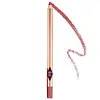
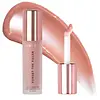
Charlotte Tilbury Lip Cheat Lip Liner Versus Lawless Forget The Filler Lip Plumping Line Smoothing Gloss


What's inside
What's inside
 Key Ingredients
Benefits
Concerns
Ingredients Side-by-side
Cyclopentasiloxane
Emollient
Synthetic Wax
Abrasive


Isododecane
EmollientPolybutene
Hydrogenated Cottonseed Oil
Emollient

Mica
Cosmetic Colorant
Ceresin
Emulsion StabilisingOzokerite
Emulsion StabilisingMicrocrystalline Wax
Emulsion Stabilising
Ethylhexyl Palmitate
Emollient
Simmondsia Chinensis Seed Oil
Emollient


Tocopherol
Antioxidant


Ascorbyl Palmitate
Antioxidant




Silica Dimethyl Silylate
EmollientButylene Glycol
Humectant
Caprylyl Glycol
Emollient
Sodium Hyaluronate
Humectant
Hexylene Glycol
EmulsifyingPhenoxyethanol
Preservative
CI 77891
Cosmetic ColorantIron Oxides
CI 15850
Cosmetic ColorantCyclopentasiloxane, Synthetic Wax, Isododecane, Polybutene, Hydrogenated Cottonseed Oil, Mica, Ceresin, Ozokerite, Microcrystalline Wax, Ethylhexyl Palmitate, Simmondsia Chinensis Seed Oil, Tocopherol, Ascorbyl Palmitate, Silica Dimethyl Silylate, Butylene Glycol, Caprylyl Glycol, Sodium Hyaluronate, Hexylene Glycol, Phenoxyethanol, CI 77891, Iron Oxides, CI 15850
Polybutene
Polyglyceryl-2 Tetraisostearate
EmollientHydrogenated Styrene/Methylstyrene/Indene Copolymer
Synthetic Beeswax
Emulsion Stabilising
Isostearyl Isostearate
Emollient
Stearalkonium Bentonite
Gel FormingCaprylic/Capric Triglyceride
Masking
Glycerin
Humectant
Water
Skin ConditioningEthylhexyl Palmitate
Emollient
Octyldodecanol
Emollient
Silica Dimethyl Silylate
EmollientMenthoxypropanediol
Masking
Capsicum Frutescens Fruit Extract
Skin ConditioningZingiber Officinale Root Extract
Masking
Butyrospermum Parkii Butter
Skin Conditioning
Synthetic Fluorphlogopite
Aroma
Helianthus Annuus Seed Oil
Emollient
Tocopheryl Nicotinate
Antioxidant
Tribehenin
Emollient
Pentaerythrityl Tetra-Di-T-Butyl Hydroxyhydrocinnamate
Antioxidant
Prunus Amygdalus Dulcis Oil
Skin Conditioning
Rosa Canina Seed Oil
Emollient
Simmondsia Chinensis Seed Oil
Emollient
Sorbitan Isostearate
Emulsifying
Tocopheryl Acetate
Antioxidant
Tin Oxide
Abrasive
Palmitoyl Tripeptide-1
Skin Conditioning
Phenoxyethanol
Preservative
Lactic Acid
Buffering



CI 77491
Cosmetic ColorantCI 77492
Cosmetic ColorantCI 77499
Cosmetic ColorantCI 77891
Cosmetic ColorantCI 73360
Cosmetic Colorant
Polybutene, Polyglyceryl-2 Tetraisostearate, Hydrogenated Styrene/Methylstyrene/Indene Copolymer, Synthetic Beeswax, Isostearyl Isostearate, Stearalkonium Bentonite, Caprylic/Capric Triglyceride, Glycerin, Water, Ethylhexyl Palmitate, Octyldodecanol, Silica Dimethyl Silylate, Menthoxypropanediol, Capsicum Frutescens Fruit Extract, Zingiber Officinale Root Extract, Butyrospermum Parkii Butter, Synthetic Fluorphlogopite, Aroma, Helianthus Annuus Seed Oil, Tocopheryl Nicotinate, Tribehenin, Pentaerythrityl Tetra-Di-T-Butyl Hydroxyhydrocinnamate, Prunus Amygdalus Dulcis Oil, Rosa Canina Seed Oil, Simmondsia Chinensis Seed Oil, Sorbitan Isostearate, Tocopheryl Acetate, Tin Oxide, Palmitoyl Tripeptide-1, Phenoxyethanol, Lactic Acid, CI 77491, CI 77492, CI 77499, CI 77891, CI 73360
Reviews
Ingredients Explained
These ingredients are found in both products.
Ingredients higher up in an ingredient list are typically present in a larger amount.
Ci 77891 is a white pigment from Titanium dioxide. It is naturally found in minerals such as rutile and ilmenite.
It's main function is to add a white color to cosmetics. It can also be mixed with other colors to create different shades.
Ci 77891 is commonly found in sunscreens due to its ability to block UV rays.
Learn more about CI 77891Ethylhexyl Palmitate, also known as octyl palmitate, is created from 2-ethylhexyl alcohol and palmitic acid. It is a fatty acid ester.
The fatty acid content of Ethylhexyl Palmitate makes it an emollient. Emollients help soften and hydrate your skin by trapping moisture within.
Ethylhexyl Palmitate is also used to help improve the texture of cosmetics. It helps other ingredient dissolve in products and help disperse ingredients more evenly.
You'll likely find this ingredient in sunscreen, as it is often used to mix UV-blocking ingredients such as avobenzone and ethylhexyl triazone.
It can also help stabilize the fragrances in a product as a fragrance fixative.
Ethylhexyl Palmitate can be used to substitute mineral oil.
Due to its high fatty acid content, it may not be fungal-acne safe.
Learn more about Ethylhexyl PalmitatePhenoxyethanol is a preservative that has germicide, antimicrobial, and aromatic properties. Studies show that phenoxyethanol can prevent microbial growth. By itself, it has a scent that is similar to that of a rose.
It's often used in formulations along with Caprylyl Glycol to preserve the shelf life of products.
Polybutene is used to help control the viscosity of a product. This just means it helps adjusts the texture.
It is a polymer and does not get absorbed into the skin due to its large size.
Studies found this ingredient did not irritate skin in concentrations below 15%.
Learn more about PolybuteneThis silica is mainly used to thicken oils and suspend particles in oils. It is not water soluble.
According to the manufacturer, it:
The manufacturer also claims this ingredient to be useful in makeup.
In lipstick formulations, this ingredient improves color payoff, reduces pigment settling, and reduces oil bleeding. This ingredient also improves the grip of powder products such as dry shampoos.
Learn more about Silica Dimethyl SilylateThis oil comes from the seeds of the desert shrub called Jojoba. It is more commonly known as jojoba oil, a non-comedogenic oil.
Jojoba oil does not contain fragrance and has many fatty-acids, making it a great soothing ingredient.
It also contains Vitamin E, a great moisturizing ingredient. Vitamin E is also an antioxidant and protects your skin against oxidative damage.
This ingredient humectant properties, meaning it helps draw moisture from the air. This helps keep your skin hydrated.
While jojoba has antibacterial properties, it is only able to kill some strains of bacteria.
Studies also show it helps in wound healing. In fact, Indigenous cultures have used jojoba as a moisturizer and to help treat burns for centuries.
Fun fact: Jojoba oil similar to natural human skin sebum, so it has a great effect on dry skin. It is also promising with helping to regulate sebum production.
Due to its fatty acid content, Jojoba oil may not be fungal acne safe. We recommend speaking with a professional if you have any concerns.
Learn more about Simmondsia Chinensis Seed Oil
