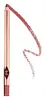
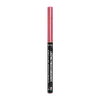
Charlotte Tilbury Lip Cheat Lip Liner Versus Rimmel London Lasting Finish Exaggerate Automatic Lip Liner

What's inside
What's inside
 Key Ingredients
Benefits
Concerns
Ingredients Side-by-side
Cyclopentasiloxane
Emollient
Synthetic Wax
Abrasive

Isododecane
EmollientPolybutene
Hydrogenated Cottonseed Oil
Emollient




Mica
Cosmetic ColorantCeresin
Emulsion StabilisingOzokerite
Emulsion StabilisingCera Microcristallina
Emulsion StabilisingEthylhexyl Palmitate
Emollient
Simmondsia Chinensis Seed Oil
Emollient


Tocopherol
Antioxidant





Ascorbyl Palmitate
Antioxidant
Silica Dimethyl Silylate
EmollientButylene Glycol
Humectant
Caprylyl Glycol
Emollient
Sodium Hyaluronate
Humectant
Hexylene Glycol
EmulsifyingPhenoxyethanol
Preservative
CI 77891
Cosmetic ColorantIron Oxides
CI 15850
Cosmetic ColorantCyclopentasiloxane, Synthetic Wax, Isododecane, Polybutene, Hydrogenated Cottonseed Oil, Mica, Ceresin, Ozokerite, Cera Microcristallina, Ethylhexyl Palmitate, Simmondsia Chinensis Seed Oil, Tocopherol, Ascorbyl Palmitate, Silica Dimethyl Silylate, Butylene Glycol, Caprylyl Glycol, Sodium Hyaluronate, Hexylene Glycol, Phenoxyethanol, CI 77891, Iron Oxides, CI 15850
Ricinus Communis Seed Oil
Masking
Caprylic/Capric Triglyceride
Masking
Microcrystalline Wax
Emulsion StabilisingC10-18 Triglycerides
Emollient
Ceresin
Emulsion StabilisingHydrogenated Cottonseed Oil
Emollient
Tocopherol
Antioxidant
Ascorbyl Palmitate
Antioxidant
CI 77891
Cosmetic ColorantMica
Cosmetic ColorantCI 77491
Cosmetic ColorantCI 77492
Cosmetic ColorantCI 77499
Cosmetic ColorantCI 15850
Cosmetic ColorantCI 77163
Cosmetic Colorant
CI 77742
Cosmetic ColorantCI 45410
Cosmetic ColorantCI 42090
Cosmetic ColorantCI 19140
Cosmetic Colorant
Reviews
Ingredients Explained
These ingredients are found in both products.
Ingredients higher up in an ingredient list are typically present in a larger amount.
Ascorbyl Palmitate is a fat-soluble form of vitamin C (Ascorbic Acid) made by combining it with palmitic acid.
It is able to blend easily into creams and oil-based formulas because it dissolves in oils rather than water.
As you may know, regular vitamin C is notorious for breaking down when exposed to sunlight and air. Ascorbyl Palmitate is more stable and degrades at a slower rate.
Research on whether it converts efficiently into active vitamin C once it's applied on your skin is still limited.
Some in-vitro studies suggest it may support collagen production, but it is not considered one of the stronger vitamin C derivatives, like:
Due to the palmitic acid base, this ingredient may not be fungal acne safe. Comedogenic studies have also shown this ingredient to have a rating of 2.
It's also worth keeping in mind that comedogenic and irritancy ratings are tested on individual ingredients, not finished formulas. The final product's formulation, concentration, and other ingredients all play a role in how something actually behaves on your skin.
Learn more about Ascorbyl PalmitateCeresin is a wax derived from ozokerite. It is an alternative to beeswax.
The most common process of creating ceresin is by using heat and sulfuric acid.
Ci 15850 is the pigment color red. It is an azo dye and created synthetically.
Azo dyes need to be thoroughly purified before use. This allows them to be more stable and longer-lasting.
This ingredient is common in foundations, lipsticks, and blushes. This color is described as brown/orangey red.
It has many secondary names such as Red 6 and Red 7. According to a manufacturer, Red 6 usually contains aluminum.
Learn more about CI 15850Ci 77891 is a white pigment from Titanium dioxide. It is naturally found in minerals such as rutile and ilmenite.
It's main function is to add a white color to cosmetics. It can also be mixed with other colors to create different shades.
Ci 77891 is commonly found in sunscreens due to its ability to block UV rays.
Learn more about CI 77891Hydrogenated Cottonseed Oil is regular cottonseed oil that has been treated with hydrogen. This process turns it from a thin liquid into a soft, waxy solid and why you'll see it in balms, sticks, and rich creams.
As an emollient, it sits on the surface of skin to slow water loss.
The process of hydrogenation also swaps most of the unsaturated fats for saturated ones, mainly palmitic and stearic acid. This makes it more stable and less prone to going rancid as well.
Concentration data shows formulas containing up to ~21% and none were irritating/sensitizing in clinical testing; products in the 10.6-29.86% range came back clean so anything from 1-20% is realistic depending on how solid the product needs to be.
Allergy risk is low as well; cottonseed allergy is a reaction to cottonseed proteins and refining strips those out for cosmetic use. Though people that are hypersensitive to cottonseed proteins did not react to cottonseed oil in skin prick testing.
The Cosmetic Ingredient Review considers this ingredient safe as provided as long as residue limits are respected at the cosmetic-grade level.
This ingredient shows up on a lot of "pore-clogging" lists but there's no real evidence behind that. It doesn't even have a comedogenic rating from an actual study; the numbers you'll find online come from blogs citing other blogs.
Just remember finished products made with so-called comedogenic ingredients often turn out not to be comedogenic at all. Some people still find this ingredient breaks them out. So if that's you, definitely trust your skin.
Because this ingredient is made up of saturated fatty acids in exactly the range the Malassezia yeast can metabolize, it may not be fungal acne safe.
Learn more about Hydrogenated Cottonseed OilMica is a naturally occurring mineral used to add shimmer and color in cosmetics. It can also help improve the texture of a product or give it an opaque, white/silver color.
Serecite is the name for very fine but ragged grains of mica.
This ingredient is often coated with metal oxides like titanium dioxide. Trace amounts of heavy metals may be found in mica, but these metals are not harmful in our personal products.
Mica has been used since prehistoric times throughout the world. Ancient Egyptian, Indian, Greek, Roman, Aztec, and Chinese civilizations have used mica.
Learn more about MicaTocopherol is a fat-soluble antioxidant known as Vitamin E.
You'll find this ingredient in the vast majority of skincare (for good reason). It works to neutralize free radicals, or unstable molecules generated by UV exposure, pollution, and other environmental stressors, before they can cause oxidative damage to your skin cells.
Topically applied tocopherol has been shown to protect against UV damage by ramping up the skin's own natural defense enzymes.
It also acts as a skin conditioning agent; some studies show that regular topical use can improve the skin's water-binding capacity over 2-4 weeks.
This ingredient is especially loved for being a team player. When combined with Vitamin C, the photoprotective effect of both ingredients roughly doubles and the combo also helps reduce UV-induced DNA damage.
This ingredient has some brightening potential but it's more of a prevention ingredient than spot-fader. Cell studies show it can slow down melanin production but it's worth noting that it's not the most powerful brightener out there.
In formulations, it also serves as a stabilizer that helps protect other oxidation-prone ingredients from degrading.
Concentrations usually range from 0.1-1% in most leave-on products.
Learn more about Tocopherol

