Charlotte Tilbury Hollywood Flawless Filter Versus Rare Beauty Positive Light Tinted Moisturizer Broad Spectrum SPF 20 Sunscreen


What's inside
What's inside
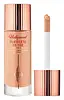 Key Ingredients
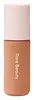
Benefits
Concerns
Ingredients Side-by-side
Water
Skin ConditioningHydrogenated Didecene
Skin ConditioningMica
Cosmetic ColorantGlycerin
Humectant


Propanediol
Solvent
Squalane
Emollient
Cetyl PEG/PPG-10/1 Dimethicone
Emulsifying
Isoamyl Laurate
Emollient

Hydrogenated Styrene/Isoprene Copolymer
Sodium Chloride
MaskingCaprylic/Capric Triglyceride
Masking
Hydroxyacetophenone
Antioxidant
Polyglyceryl-4 Isostearate
Emulsifying
1,2-Hexanediol
Skin Conditioning
Caprylyl Glycol
Emollient
Trisodium Ethylenediamine Disuccinate
ChelatingHoya Lacunosa Flower Extract
Skin ConditioningPentaerythrityl Tetra-Di-T-Butyl Hydroxyhydrocinnamate
Antioxidant
CI 77891
Cosmetic ColorantIron Oxides
CI 77163
Cosmetic Colorant

Water, Hydrogenated Didecene, Mica, Glycerin, Propanediol, Squalane, Cetyl PEG/PPG-10/1 Dimethicone, Isoamyl Laurate, Hydrogenated Styrene/Isoprene Copolymer, Sodium Chloride, Caprylic/Capric Triglyceride, Hydroxyacetophenone, Polyglyceryl-4 Isostearate, 1,2-Hexanediol, Caprylyl Glycol, Trisodium Ethylenediamine Disuccinate, Hoya Lacunosa Flower Extract, Pentaerythrityl Tetra-Di-T-Butyl Hydroxyhydrocinnamate, CI 77891, Iron Oxides, CI 77163
Homosalate 9%
Skin Conditioning

Titanium Dioxide 1.8%
Cosmetic Colorant
Zinc Oxide 0.9%
Cosmetic Colorant
Water
Skin ConditioningDimethicone
Emollient
Talc
Abrasive
C12-15 Alkyl Benzoate
AntimicrobialIsododecane
EmollientCetyl PEG/PPG-10/1 Dimethicone
Emulsifying
Isopentyldiol
Humectant
Sorbitol
Humectant
Tocopheryl Acetate
Antioxidant

Phenoxyethanol
Preservative
Sodium Chloride
MaskingDimethicone/Vinyl Dimethicone Crosspolymer
Skin Conditioning
Magnesium Sulfate
Sodium Dehydroacetate
Preservative
Hydrogen Dimethicone
Potassium Sorbate
Preservative
Disteardimonium Hectorite
StabilisingLecithin
Emollient
Benzoic Acid
Masking
Aluminum Hydroxide
EmollientAlumina
Abrasive
Dehydroacetic Acid
Preservative
Propylene Carbonate
SolventHelianthus Annuus Seed Oil
Emollient
Triethoxycaprylylsilane
Tocopherol
Antioxidant

Ethylhexylglycerin
Skin ConditioningAscorbyl Palmitate
Antioxidant
Citric Acid
Buffering
Gardenia Florida Fruit Extract
Skin ConditioningNelumbo Nucifera Flower Extract
Skin ConditioningNymphaea Odorata Root Extract
RefreshingCI 77891
Cosmetic ColorantIron Oxides
Homosalate 9%, Titanium Dioxide 1.8%, Zinc Oxide 0.9%, Water, Dimethicone, Talc, C12-15 Alkyl Benzoate, Isododecane, Cetyl PEG/PPG-10/1 Dimethicone, Isopentyldiol, Sorbitol, Tocopheryl Acetate, Phenoxyethanol, Sodium Chloride, Dimethicone/Vinyl Dimethicone Crosspolymer, Magnesium Sulfate, Sodium Dehydroacetate, Hydrogen Dimethicone, Potassium Sorbate, Disteardimonium Hectorite, Lecithin, Benzoic Acid, Aluminum Hydroxide, Alumina, Dehydroacetic Acid, Propylene Carbonate, Helianthus Annuus Seed Oil, Triethoxycaprylylsilane, Tocopherol, Ethylhexylglycerin, Ascorbyl Palmitate, Citric Acid, Gardenia Florida Fruit Extract, Nelumbo Nucifera Flower Extract, Nymphaea Odorata Root Extract, CI 77891, Iron Oxides
Reviews
Ingredients Explained
These ingredients are found in both products.
Ingredients higher up in an ingredient list are typically present in a larger amount.
This ingredient is a silicone-based emulsifer that helps the water and oil phases play nicely together.
It's pretty effective because one end of the molecule loves oil and the other one loves water.
Besides holding formulas together, it also leaves a silky and lightweight feel on skin without the greasiness. A manufacturer also claims it can help with the controlled release of active ingredients.
The CIR Expert Panel found this ingredient to not be sensitizing in concentrations up to 15% in human maximazation testing and dimethicone-based compounds were not comedogenic.
It has a high molecular weight well above 1,000 g/mol which means it limits meaningful skin penetration.
A 2019 study specifically tested this ingredient and found no observable Malassezia growth in its presence.
Learn more about Cetyl PEG/PPG-10/1 DimethiconeCi 77891 is a white pigment from Titanium dioxide. It is naturally found in minerals such as rutile and ilmenite.
It's main function is to add a white color to cosmetics. It can also be mixed with other colors to create different shades.
Ci 77891 is commonly found in sunscreens due to its ability to block UV rays.
Learn more about CI 77891Chances are, you eat sodium chloride every day. Sodium Chloride is also known as table salt. This ingredient has many purposes in skincare: thickener, emulsifier, and exfoliator.
You'll most likely find this ingredient in cleansers where it is used to create a gel-like texture. As an emulsifier, it also prevents ingredients from separating.
You might see people debate whether Sodium Chloride is comedogenic, but there actually haven't been any comedogenic tests done on it. Either way, the overall formulation of a product matters a lot more than any single ingredient.
You might see this ingredient used in scrubs as a primary exfoliating ingredient.
Learn more about Sodium ChlorideWater. It's the most common cosmetic ingredient of all. You'll usually see it at the top of ingredient lists, meaning that it makes up the largest part of the product.
So why is it so popular? Water most often acts as a solvent - this means that it helps dissolve other ingredients into the formulation.
You'll also recognize water as that liquid we all need to stay alive. If you see this, drink a glass of water. Remember to stay hydrated!
Learn more about WaterThis ingredient is a combination of red, black, and yellow iron oxide pigments. This combination of colors is usually found in foundation, because it results in a "skin" color.
The EU typically uses CI numbers for colorants when applicable, such as CI 77489. In the US, iron oxides are regulated as color additives and "iron oxides" is the most commonly used name in US cosmetic practice.
A 2021 paper looked at skincare formulations containing iron oxides and found that they reduced transmission of blue light when measured optically. In simple terms, the pigment particles helped block or scatter part of the visible light spectrum in lab testing and the authors suggest this could translate into better protection against blue-light-related skin effects.
There is also clinical and experimental research showing that tinted products containing iron oxides can reduce visible light-induced pigmentation:
Please note, whether a product reduces visible or blue light depends on things like:
In the EU's CosIng database, iron oxides are only listed as a colorant. CosIng groups ingredients by their main cosmetic role, such as colorant, preservative, or UV filter.
Though studies say iron oxides can "attenuate blue light", they're describing an optical property and not an officially recognized cosmetic function.
So CosIng isn’t contradicting the research. It’s just classifying iron oxides by what they officially are: pigments that add color.
Learn more about Iron Oxides

