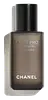
This anti-aging serum is formulated around Centella Asiatica Leaf Extract to soften the look of wrinkles and strengthen the skin barrier.
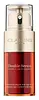
This anti-aging serum is formulated around Squalane to soften the look of wrinkles and hydrate skin.

What's inside
What's inside
 Key Ingredients
Benefits
Concerns
Ingredients Side-by-side
Water
Skin ConditioningAlcohol
Antimicrobial




Glycerin
Humectant


Mel
EmollientPentylene Glycol
Skin Conditioning
Diglycerin
Humectant
Caesalpinia Spinosa Fruit Extract
Skin ProtectingSecale Cereale Seed Extract
Abrasive
Centella Asiatica Leaf Extract
Skin Conditioning


Kappaphycus Alvarezii Extract
Skin Conditioning
Tapioca Starch
Chlorphenesin
Antimicrobial
Caprylyl Glycol
Emollient
Maltooligosyl Glucoside
Skin ConditioningTremella Fuciformis Extract
Humectant
Sodium Hyaluronate
Humectant
Hydrogenated Starch Hydrolysate
HumectantCarbomer
Emulsion StabilisingPolyglycerin-3
Humectant
Agar
MaskingXanthan Gum
EmulsifyingArginine
Masking
1,2-Hexanediol
Skin Conditioning
Water, Alcohol, Glycerin, Mel, Pentylene Glycol, Diglycerin, Caesalpinia Spinosa Fruit Extract, Secale Cereale Seed Extract, Centella Asiatica Leaf Extract, Kappaphycus Alvarezii Extract, Tapioca Starch, Chlorphenesin, Caprylyl Glycol, Maltooligosyl Glucoside, Tremella Fuciformis Extract, Sodium Hyaluronate, Hydrogenated Starch Hydrolysate, Carbomer, Polyglycerin-3, Agar, Xanthan Gum, Arginine, 1,2-Hexanediol
Water
Skin ConditioningCetearyl Isononanoate
Emollient
Glycerin
Humectant
Isononyl Isononanoate
EmollientCaprylic/Capric Triglyceride
Masking
Pentylene Glycol
Skin Conditioning
PPG-3 Myristyl Ether
EmollientEthylene/Propylene/Styrene Copolymer
Dipsacus Sylvestris Extract
Skin ConditioningButylene Glycol
Humectant
Parfum
Masking

Phenoxyethanol
Preservative
Propanediol
Solvent
Tromethamine
BufferingSilybum Marianum Seed Oil
Skin Conditioning

Carbomer
Emulsion StabilisingTocopheryl Acetate
Antioxidant


Escin
TonicChenopodium Quinoa Seed Extract
Skin Conditioning
Ethylhexylglycerin
Skin ConditioningSqualane
Emollient
Avena Sativa Kernel Extract
Abrasive
Theobroma Cacao Extract
Skin ConditioningButylene/Ethylene/Styrene Copolymer
Leontopodium Alpinum Extract
Skin ConditioningXanthan Gum
EmulsifyingPersea Gratissima Oil Unsaponifiables
Skin Conditioning
Caramel
Cosmetic ColorantCurcuma Longa Root Extract
Antioxidant
Salicyloyl Phytosphingosine
Skin ConditioningMusa Sapientum Fruit Extract
Skin ConditioningSalicornia Herbacea Extract
Skin ConditioningActinidia Chinensis Fruit Extract
EmollientKalanchoe Pinnata Leaf Extract
MaskingSodium Benzoate
Masking
Citric Acid
Buffering
Myrothamnus Flabellifolia Leaf/Stem Extract
HumectantDisodium EDTA
ChelatingTocopherol
Antioxidant
Lycium Barbarum Fruit Extract
Astringent
Maltodextrin
Absorbent
Orthosiphon Stamineus Extract
Skin ConditioningHedychium Coronarium Root Extract
MaskingMangifera Indica Leaf Extract
Skin ConditioningPotassium Sorbate
Preservative
Pentaerythrityl Tetra-Di-T-Butyl Hydroxyhydrocinnamate
Antioxidant
Jania Rubens Extract
Skin Conditioning
Ascorbic Acid
Antioxidant

Sodium Citrate
BufferingEngelhardtia Chrysolepis Leaf Extract
Skin ConditioningCI 14700
Cosmetic ColorantCallicarpa Japonica Fruit Extract
Skin ConditioningWater, Cetearyl Isononanoate, Glycerin, Isononyl Isononanoate, Caprylic/Capric Triglyceride, Pentylene Glycol, PPG-3 Myristyl Ether, Ethylene/Propylene/Styrene Copolymer, Dipsacus Sylvestris Extract, Butylene Glycol, Parfum, Phenoxyethanol, Propanediol, Tromethamine, Silybum Marianum Seed Oil, Carbomer, Tocopheryl Acetate, Escin, Chenopodium Quinoa Seed Extract, Ethylhexylglycerin, Squalane, Avena Sativa Kernel Extract, Theobroma Cacao Extract, Butylene/Ethylene/Styrene Copolymer, Leontopodium Alpinum Extract, Xanthan Gum, Persea Gratissima Oil Unsaponifiables, Caramel, Curcuma Longa Root Extract, Salicyloyl Phytosphingosine, Musa Sapientum Fruit Extract, Salicornia Herbacea Extract, Actinidia Chinensis Fruit Extract, Kalanchoe Pinnata Leaf Extract, Sodium Benzoate, Citric Acid, Myrothamnus Flabellifolia Leaf/Stem Extract, Disodium EDTA, Tocopherol, Lycium Barbarum Fruit Extract, Maltodextrin, Orthosiphon Stamineus Extract, Hedychium Coronarium Root Extract, Mangifera Indica Leaf Extract, Potassium Sorbate, Pentaerythrityl Tetra-Di-T-Butyl Hydroxyhydrocinnamate, Jania Rubens Extract, Ascorbic Acid, Sodium Citrate, Engelhardtia Chrysolepis Leaf Extract, CI 14700, Callicarpa Japonica Fruit Extract
Reviews
Ingredients Explained
These ingredients are found in both products.
Ingredients higher up in an ingredient list are typically present in a larger amount.
Carbomer is a synthetic thickening and gelling agent. It's basically the ingredient that gives a lot of serums, gels, creams, and sunscreens their smooth, non-sticky texture.
Although legally permitted at very high levels, carbomers are normally used at concentrations below 1%.
It also needs to be neutralized to actually thicken, and because it is a large molecule, it doesn't really penetrate the skin barrier.
Allergy-wise, the risk is very low. Clinical studies show carbomers have low potential for skin irritation/sensitization even at concentrations up to 100%.
A 2024 UK study patch-tested 1,302 patients and found true allergy to the parent group of carbomer to be rare with no confirmed relevant reactions.
Learn more about CarbomerGlycerin (or glycerol) is a compound naturally found in your skin. It's a powerhouse humectant that pulls water into the stratum corneum.
Topically, glycerin does several things at once:
Your skin makes glycerin on its own (mostly from sebaceous oil breakdown) and shuttles it to your outermost layer of skin, or your epidermis, via aquaporin-3.
Aquaporin-3 is a transporter that is essential for normal skin hydration, elasticity, and repair. Interestingly, mice lacking in AQP3 have dry and less elastic skin that can be fully corrected with glycerin.
This ingredient is non-irritating, plays well with almost every ingredient, and works across all skin types. Typical use is anywhere between 3-10% but can go up to 79% in some leave-on products.
Just know very high concentrations (>40%) can feel tacky in low humidity.
Glycerin is the name for this ingredient in American English. British English uses Glycerol/Glycerine.
Learn more about GlycerinPentylene Glycol (1,2-pentanediol) is a multitasking little diol with three main roles in a formula:
Research on alkanediols (the family pentylene glycol belongs to) show they work by disrupting microbial cell membranes. This disruption helps the primary preservative system in a product work more effectively at lower doses.
On the safety side, the Cosmetic Ingredient Review Expert Panel has concluded this ingredient to be safe as used in current cosmetic practices + concentrations.
Typical use levels in a formula run about 1-5%.
Learn more about Pentylene GlycolWater. It's the most common cosmetic ingredient of all. You'll usually see it at the top of ingredient lists, meaning that it makes up the largest part of the product.
So why is it so popular? Water most often acts as a solvent - this means that it helps dissolve other ingredients into the formulation.
You'll also recognize water as that liquid we all need to stay alive. If you see this, drink a glass of water. Remember to stay hydrated!
Learn more about WaterXanthan gum is used as a stabilizer and thickener within cosmetic products. It helps give products a sticky, thick feeling - preventing them from being too runny.
On the technical side of things, xanthan gum is a polysaccharide - a combination consisting of multiple sugar molecules bonded together.
Xanthan gum is a pretty common and great ingredient. It is a natural, non-toxic, non-irritating ingredient that is also commonly used in food products.
Learn more about Xanthan Gum

