
What's inside
What's inside
 Key Ingredients
Benefits
Concerns
Ingredients Side-by-side
Butyl Methoxydibenzoylmethane 3%
UV Absorber
Homosalate 10%
Skin Conditioning
Ethylhexyl Salicylate 5%
UV Absorber
Octocrylene 2.7%
UV Absorber

Water
Skin ConditioningC12-15 Alkyl Benzoate
AntimicrobialGlyceryl Stearate Se
Emulsifying


Methyl Methacrylate Crosspolymer

Glycerin
Humectant


Pentylene Glycol
Skin Conditioning
Ceramide NP
Skin Conditioning



Ceramide AP
Skin Conditioning
Ceramide EOP
Skin Conditioning
Carbomer
Emulsion StabilisingSodium Acryloyldimethyltaurate/Vp Crosspolymer
Emulsion StabilisingSodium Lauroyl Lactylate
EmulsifyingSodium Hyaluronate
Humectant
Cholesterol
Emollient
Phenoxyethanol
Preservative
Disodium EDTA
Hydroxyacetophenone
Antioxidant
Citric Acid
Buffering


Phytosphingosine
Skin Conditioning
Xanthan Gum
EmulsifyingT-Butyl Alcohol
Perfuming


Ethylhexylglycerin
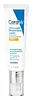
Skin ConditioningButyl Methoxydibenzoylmethane 3%, Homosalate 10%, Ethylhexyl Salicylate 5%, Octocrylene 2.7%, Water, C12-15 Alkyl Benzoate, Glyceryl Stearate Se, Methyl Methacrylate Crosspolymer, Glycerin, Pentylene Glycol, Ceramide NP, Ceramide AP, Ceramide EOP, Carbomer, Sodium Acryloyldimethyltaurate/Vp Crosspolymer, Sodium Lauroyl Lactylate, Sodium Hyaluronate, Cholesterol, Phenoxyethanol, Disodium EDTA, Hydroxyacetophenone, Citric Acid, Phytosphingosine, Xanthan Gum, T-Butyl Alcohol, Ethylhexylglycerin
Titanium Dioxide 1%
Cosmetic Colorant
Zinc Oxide 7.8%
Cosmetic Colorant
Alumina
Abrasive
Aluminum Stearate
Cosmetic ColorantBeeswax
Emulsion Stabilising
C12-15 Alkyl Benzoate
AntimicrobialC13-14 Isoparaffin
Emollient
Caffeine
Skin Conditioning
Camellia Sinensis Leaf Extract
Antimicrobial
Caprylyl Glycol
Emollient
Chlorphenesin
Antimicrobial
Cyclomethicone
Emollient
Dimethoxydiphenylsilane/Triethoxycaprylylsilane Crosspolymer
Isostearyl Alcohol
Emollient
Laureth-7
EmulsifyingLauryl PEG/PPG-18/18 Methicone
Skin Conditioning
Phenoxyethanol
Preservative
Polyacrylamide
Polyhydroxystearic Acid
Emulsifying
Water
Skin ConditioningSodium Hyaluronate
Humectant
Triethoxycaprylylsilane
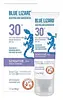
Titanium Dioxide 1%, Zinc Oxide 7.8%, Alumina, Aluminum Stearate, Beeswax, C12-15 Alkyl Benzoate, C13-14 Isoparaffin, Caffeine, Camellia Sinensis Leaf Extract, Caprylyl Glycol, Chlorphenesin, Cyclomethicone, Dimethoxydiphenylsilane/Triethoxycaprylylsilane Crosspolymer, Isostearyl Alcohol, Laureth-7, Lauryl PEG/PPG-18/18 Methicone, Phenoxyethanol, Polyacrylamide, Polyhydroxystearic Acid, Water, Sodium Hyaluronate, Triethoxycaprylylsilane
Reviews
Ingredients Explained
These ingredients are found in both products.
Ingredients higher up in an ingredient list are typically present in a larger amount.
C12-15 Alkyl Benzoate is a lightweight emollient made by combinig benzoic acid with fatty alcohols that are 12-15 carbons long.
In cosmetics, it plays several roles:
The Cosmetic Review Expert Panel has concluded the alkyl benzoate group to be safe as used in cosmetics; it wasn't found to be a skin irritant and unlikely to be absorbed due to its low water solubility.
This report recorded almost 1000 reported uses with concentrations up to 59% in leave-on products but your cosmetics will typically use 0.5-15% depending on the product.
It's often called a "SPF booster": this is because it keeps UV filters properly dissolved and evenly distributed to support a sunscreen's performance. It doesn't actually raise SPF on its own.
Overall, this ingredient is well tolerated.
This ingredient is fungal acne safe.
The Malassezia yeast feeds on free fatty acids and this ingredient is made up of an aromatic acid and fatty alcohols.
When this ingredient breaks down, it yields benzoic acid (which is antifungal) and fatty alcohols. Neither of these have been found in studies to be a known food source for Malassezia.
Learn more about C12-15 Alkyl BenzoatePhenoxyethanol is a preservative that has germicide, antimicrobial, and aromatic properties. Studies show that phenoxyethanol can prevent microbial growth. By itself, it has a scent that is similar to that of a rose.
It's often used in formulations along with Caprylyl Glycol to preserve the shelf life of products.
Sodium Hyaluronate is the salt form of hyaluronic acid. It is a long sugar chain that is naturally found in your skin, joints, and connective tissue that maintains hydration and elasticity.
In skincare, it works as a humectant. It pulls water from the environment and deeper layers of skin and binds it to the surface.
Interestingly, the size of the molecule affects its behavior:
Some clinical evidence links low molecular weight versions to improved wrinkle depth, elasticity, anti-inflammatory effects, and barrier repair.
Many serums use a blend of both weights so you can get surface hydration plus longer-lasting and deeper effects.
You'll typically see concentrations between 0.1-2% for this ingredient.
Learn more about Sodium HyaluronateWater. It's the most common cosmetic ingredient of all. You'll usually see it at the top of ingredient lists, meaning that it makes up the largest part of the product.
So why is it so popular? Water most often acts as a solvent - this means that it helps dissolve other ingredients into the formulation.
You'll also recognize water as that liquid we all need to stay alive. If you see this, drink a glass of water. Remember to stay hydrated!
Learn more about Water
