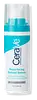
This smoothing serum is formulated around Niacinamide and Retinol to refine skin texture and fade the look of dark spots.
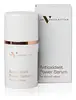
This brightening serum is formulated around Tetrahexyldecyl Ascorbate and Retinyl Palmitate to brighten dull-looking skin and fade the look of dark spots.


What's inside
What's inside
 Key Ingredients
Benefits
Concerns
Ingredients Side-by-side
Water
Skin ConditioningPropanediol
Solvent

Dimethicone
Emollient

Cetearyl Ethylhexanoate
Emollient

Niacinamide
Smoothing









Ammonium Polyacryloyldimethyl Taurate
Emulsion StabilisingDipotassium Glycyrrhizate
Humectant
Hydrogenated Lecithin
Emulsifying
Potassium Phosphate
BufferingCeramide NP
Skin Conditioning
Ceramide AP
Skin Conditioning
Ceramide EOP
Skin Conditioning
Carbomer
Emulsion StabilisingCetearyl Alcohol
Emollient




Behentrimonium Methosulfate
SurfactantDimethiconol
Emollient
Lecithin
Emollient
Sodium Citrate
BufferingRetinol
Skin Conditioning

Sodium Hyaluronate
Humectant
Sodium Lauroyl Lactylate
EmulsifyingCholesterol
Emollient
Phenoxyethanol
Preservative
Alcohol
Antimicrobial

Isopropyl Myristate
Emollient
Caprylyl Glycol
Emollient
Citric Acid
Buffering
Trisodium Ethylenediamine Disuccinate
ChelatingPentylene Glycol
Skin Conditioning
Phytosphingosine
Skin Conditioning
Xanthan Gum
EmulsifyingPolysorbate 20
Emulsifying
Ethylhexylglycerin
Skin ConditioningWater, Propanediol, Dimethicone, Cetearyl Ethylhexanoate, Niacinamide, Ammonium Polyacryloyldimethyl Taurate, Dipotassium Glycyrrhizate, Hydrogenated Lecithin, Potassium Phosphate, Ceramide NP, Ceramide AP, Ceramide EOP, Carbomer, Cetearyl Alcohol, Behentrimonium Methosulfate, Dimethiconol, Lecithin, Sodium Citrate, Retinol, Sodium Hyaluronate, Sodium Lauroyl Lactylate, Cholesterol, Phenoxyethanol, Alcohol, Isopropyl Myristate, Caprylyl Glycol, Citric Acid, Trisodium Ethylenediamine Disuccinate, Pentylene Glycol, Phytosphingosine, Xanthan Gum, Polysorbate 20, Ethylhexylglycerin



Reviews
Ingredients Explained
These ingredients are found in both products.
Ingredients higher up in an ingredient list are typically present in a larger amount.
Dimethicone is a type of synthetic silicone created from natural materials such as quartz. It is also known as polydimethylsiloxane.
What it does:
Dimethicone comes in different viscosities:
Depending on the viscosity, dimethicone has different properties.
Ingredients lists don't always show which type is used, so we recommend reaching out to the brand if you have questions about the viscosity.
This ingredient is unlikely to cause irritation because it does not get absorbed into skin. However, people with silicone allergies should be careful about using this ingredient.
Note: Dimethicone may contribute to pilling. This is because it is not oil or water soluble, so pilling may occur when layered with products. When mixed with heavy oils in a formula, the outcome is also quite greasy.
Learn more about DimethiconePolysorbate 20 is a gentle, water-soluble emulsifier and mild surfactant. It stops oil and water from separating to keep your formulas blended and stable.
It also acts as a mild penetration enhancer by helping active ingredients absorb slightly better.
The common safety discussion around this ingredient involves a manufacturing byproduct called 1,4-dioxane.
Trace amounts can form during production but the EU's Scientific Committee on Consumer Safety has concluded that levels at/below 10 ppm in finished products are safe (commercial products consistently fall within acceptable margins).
True allergic reactions are uncommon and the CIR Expert Panel has confirmed this ingredient to be safe as used in cosmetics.
Because it is derived from lauric acid, it may not be fungal acne safe.
Learn more about Polysorbate 20

