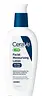
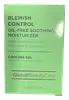
CeraVe PM Facial Moisturizing Lotion Versus Global Beauty Care Blemish Control Oil-Free Soothing Moisturizer

What's inside
What's inside
 Key Ingredients
Benefits
Concerns
Ingredients Side-by-side
Water
Skin ConditioningGlycerin
Humectant


Caprylic/Capric Triglyceride
Masking
Niacinamide
Smoothing









Cetearyl Alcohol
Emollient



Potassium Phosphate
BufferingCeramide NP
Skin Conditioning
Ceramide AP
Skin Conditioning
Ceramide EOP
Skin Conditioning
Carbomer
Emulsion StabilisingDimethicone
Emollient
Ceteareth-20
CleansingBehentrimonium Methosulfate
Surfactant
Sodium Lauroyl Lactylate
EmulsifyingSodium Hyaluronate
Humectant
Cholesterol
Emollient
Phenoxyethanol
Preservative
Disodium EDTA
Dipotassium Phosphate
BufferingCaprylyl Glycol
Emollient
Phytosphingosine
Skin Conditioning
Xanthan Gum
EmulsifyingPolyglyceryl-3 Diisostearate
Emulsifying
Ethylhexylglycerin
Skin ConditioningWater, Glycerin, Caprylic/Capric Triglyceride, Niacinamide, Cetearyl Alcohol, Potassium Phosphate, Ceramide NP, Ceramide AP, Ceramide EOP, Carbomer, Dimethicone, Ceteareth-20, Behentrimonium Methosulfate, Sodium Lauroyl Lactylate, Sodium Hyaluronate, Cholesterol, Phenoxyethanol, Disodium EDTA, Dipotassium Phosphate, Caprylyl Glycol, Phytosphingosine, Xanthan Gum, Polyglyceryl-3 Diisostearate, Ethylhexylglycerin
Water
Skin ConditioningGlycerin
Humectant
Sorbitol
Humectant
Glycereth-26
Humectant
Cucumis Sativus Fruit Extract
Emollient
Carbomer
Emulsion StabilisingArginine
Masking
Aloe Barbadensis Extract
Skin Conditioning
Propylene Glycol
Humectant

Chrysanthellum Indicum Extract
Skin Conditioning
Phenoxyethanol
Preservative
Mentha Arvensis Leaf Extract
MaskingPelargonium Graveolens Extract
Masking
Allantoin
Skin Conditioning
Portulaca Oleracea Extract
Skin Conditioning
Caprylyl Glycol
Emollient
Chlorphenesin
Antimicrobial
1,2-Hexanediol
Skin Conditioning
Caprylhydroxamic Acid
Sophora Angustifolia Root Extract
Skin ConditioningButylene Glycol
Humectant
Styrene/Acrylates Copolymer
Ethylhexylglycerin
Skin ConditioningHyaluronic Acid
Humectant
Hydroxyacetophenone
Antioxidant
CI 19140
Cosmetic ColorantCI 77007
Cosmetic ColorantWater, Glycerin, Sorbitol, Glycereth-26, Cucumis Sativus Fruit Extract, Carbomer, Arginine, Aloe Barbadensis Extract, Propylene Glycol, Chrysanthellum Indicum Extract, Phenoxyethanol, Mentha Arvensis Leaf Extract, Pelargonium Graveolens Extract, Allantoin, Portulaca Oleracea Extract, Caprylyl Glycol, Chlorphenesin, 1,2-Hexanediol, Caprylhydroxamic Acid, Sophora Angustifolia Root Extract, Butylene Glycol, Styrene/Acrylates Copolymer, Ethylhexylglycerin, Hyaluronic Acid, Hydroxyacetophenone, CI 19140, CI 77007
Reviews
Ingredients Explained
These ingredients are found in both products.
Ingredients higher up in an ingredient list are typically present in a larger amount.
Caprylyl Glycol is a humectant, skin conditioner, emollient, and preservative booster derived from either caprylic acid or synthetically created.
Typical use levels vary from 0.3-1% as a preservative booster and go up to 2% to condition skin.
Because it is not a free-fatty acid, this ingredient is fungal acne safe (there's nothing for Malassezia to feed on).
Learn more about Caprylyl GlycolCarbomer is a high-molecular weight polymer of acrylic acid. It is used to form gels and thicken formulas.
Due to its large molecular size, carbomer has minimal skin penetration and is considered an inert ingredient.
A high amount of carbomer can cause pilling or balling up of products. Don't worry, most products contain 1% or less of carbomer.
Learn more about CarbomerEthylhexylglycerin is created from glycerin. It is a multitasker ingredient that:
The CIR Expert Panel found minimal skin absorption or sensitization of any kind in a safety assessment. Though this ingredient is considered well-tolerated, a small number of cases of allergic dermatitis have been published since 2002. Just be sure to patch test if you are unsure.
Industry-reported use ranges from 8% in rinse-off products and 2% in leave-on formulations.
Learn more about EthylhexylglycerinGlycerin (or glycerol) is a compound naturally found in your skin. It's a powerhouse humectant that pulls water into the stratum corneum.
Topically, glycerin does several things at once:
Your skin makes glycerin on its own (mostly from sebaceous oil breakdown) and shuttles it to your outermost layer of skin, or your epidermis, via aquaporin-3.
Aquaporin-3 is a transporter that is essential for normal skin hydration, elasticity, and repair. Interestingly, mice lacking in AQP3 have dry and less elastic skin that can be fully corrected with glycerin.
This ingredient is non-irritating, plays well with almost every ingredient, and works across all skin types. Typical use is anywhere between 3-10% but can go up to 79% in some leave-on products.
Just know very high concentrations (>40%) can feel tacky in low humidity.
Glycerin is the name for this ingredient in American English. British English uses Glycerol/Glycerine.
Learn more about GlycerinPhenoxyethanol is a preservative that has germicide, antimicrobial, and aromatic properties. Studies show that phenoxyethanol can prevent microbial growth. By itself, it has a scent that is similar to that of a rose.
It's often used in formulations along with Caprylyl Glycol to preserve the shelf life of products.
Water. It's the most common cosmetic ingredient of all. You'll usually see it at the top of ingredient lists, meaning that it makes up the largest part of the product.
So why is it so popular? Water most often acts as a solvent - this means that it helps dissolve other ingredients into the formulation.
You'll also recognize water as that liquid we all need to stay alive. If you see this, drink a glass of water. Remember to stay hydrated!
Learn more about Water
