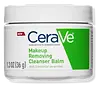
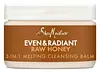
CeraVe Makeup Removing Cleanser Balm Versus Shea Moisture Even & Radiant Raw Honey 3-in-1 Cleansing Balm
This oil-based makeup remover is made to dissolve makeup, sunscreen, and daily buildup.
This oil-based makeup remover is made to dissolve makeup, sunscreen, and daily buildup.

What's inside
What's inside
 Key Ingredients
Benefits
Concerns
Ingredients Side-by-side
Ethylhexyl Palmitate
Emollient




Polyethylene
Abrasive
PEG-20 Glyceryl Triisostearate
Emollient
Water
Skin ConditioningCeramide NP
Skin Conditioning





Ceramide AP
Skin Conditioning
Ceramide EOP
Skin Conditioning
Carbomer
Emulsion StabilisingTriethyl Citrate
Masking

Sodium Lauroyl Lactylate
EmulsifyingCholesterol
Emollient
Simmondsia Chinensis Seed Oil
Emollient

Phenoxyethanol
Preservative
Tocopherol
Antioxidant



Caprylyl Glycol
Emollient
Phytosphingosine
Skin Conditioning
Xanthan Gum
EmulsifyingPolysorbate 20
Emulsifying
Benzoic Acid
Masking
PEG-30 Dipolyhydroxystearate
Emulsifying
PPG-26-Buteth-26
Skin ConditioningPEG-40 Hydrogenated Castor Oil
Emulsifying
Ethylhexyl Palmitate, Polyethylene, PEG-20 Glyceryl Triisostearate, Water, Ceramide NP, Ceramide AP, Ceramide EOP, Carbomer, Triethyl Citrate, Sodium Lauroyl Lactylate, Cholesterol, Simmondsia Chinensis Seed Oil, Phenoxyethanol, Tocopherol, Caprylyl Glycol, Phytosphingosine, Xanthan Gum, Polysorbate 20, Benzoic Acid, PEG-30 Dipolyhydroxystearate, PPG-26-Buteth-26, PEG-40 Hydrogenated Castor Oil
Glycerin
Humectant
Water
Skin ConditioningCaprylic/Capric Triglyceride
Masking
Cocos Nucifera Oil
Masking
Prunus Armeniaca Kernel Oil
Masking
Macadamia Ternifolia Seed Oil
Emollient
Helianthus Annuus Seed Wax
Skin Conditioning
Stearyl Behenate
Emollient
Polyglyceryl-10 Laurate
Skin Conditioning
Polyhydroxystearic Acid
Emulsifying
Sorbitan Olivate
Emulsifying
Cetearyl Alcohol
Emollient
Hydrogenated Castor Oil
Emollient
Polyglyceryl-10 Mono/Dioleate
Skin ConditioningPolyglyceryl-3 Oleate
Emulsifying
Caprylyl Glycol
Emollient
Butyrospermum Parkii Butter
Skin Conditioning
Honey
Humectant
Tocopherol
Antioxidant
Niacinamide
Smoothing




Hexylresorcinol
Antimicrobial
Retinyl Propionate
Skin Conditioning
Glycine Soja Oil
Emollient
Copernicia Cerifera Wax
Phosphatidylglycerol
Lauryl Laurate
Skin Conditioning
Glycerin, Water, Caprylic/Capric Triglyceride, Cocos Nucifera Oil, Prunus Armeniaca Kernel Oil, Macadamia Ternifolia Seed Oil, Helianthus Annuus Seed Wax, Stearyl Behenate, Polyglyceryl-10 Laurate, Polyhydroxystearic Acid, Sorbitan Olivate, Cetearyl Alcohol, Hydrogenated Castor Oil, Polyglyceryl-10 Mono/Dioleate, Polyglyceryl-3 Oleate, Caprylyl Glycol, Butyrospermum Parkii Butter, Honey, Tocopherol, Niacinamide, Hexylresorcinol, Retinyl Propionate, Glycine Soja Oil, Copernicia Cerifera Wax, Phosphatidylglycerol, Lauryl Laurate
Reviews
Ingredients Explained
These ingredients are found in both products.
Ingredients higher up in an ingredient list are typically present in a larger amount.
Caprylyl Glycol is a humectant, skin conditioner, emollient, and preservative booster derived from either caprylic acid or synthetically created.
Typical use levels vary from 0.3-1% as a preservative booster and go up to 2% to condition skin.
Because it is not a free-fatty acid, this ingredient is fungal acne safe (there's nothing for Malassezia to feed on).
Learn more about Caprylyl GlycolTocopherol is a fat-soluble antioxidant known as Vitamin E.
You'll find this ingredient in the vast majority of skincare (for good reason). It works to neutralize free radicals, or unstable molecules generated by UV exposure, pollution, and other environmental stressors, before they can cause oxidative damage to your skin cells.
Topically applied tocopherol has been shown to protect against UV damage by ramping up the skin's own natural defense enzymes.
It also acts as a skin conditioning agent; some studies show that regular topical use can improve the skin's water-binding capacity over 2-4 weeks.
This ingredient is especially loved for being a team player. When combined with Vitamin C, the photoprotective effect of both ingredients roughly doubles and the combo also helps reduce UV-induced DNA damage.
This ingredient has some brightening potential but it's more of a prevention ingredient than spot-fader. Cell studies show it can slow down melanin production but it's worth noting that it's not the most powerful brightener out there.
In formulations, it also serves as a stabilizer that helps protect other oxidation-prone ingredients from degrading.
Concentrations usually range from 0.1-1% in most leave-on products.
Learn more about TocopherolWater. It's the most common cosmetic ingredient of all. You'll usually see it at the top of ingredient lists, meaning that it makes up the largest part of the product.
So why is it so popular? Water most often acts as a solvent - this means that it helps dissolve other ingredients into the formulation.
You'll also recognize water as that liquid we all need to stay alive. If you see this, drink a glass of water. Remember to stay hydrated!
Learn more about Water

